

 日本語
日本語 한국어
한국어 Français
 Deutsch
 Español
 Italiano
 Português
 Việt Nam
 Türkçe
 عربي
عربي  русский
  简体中文
简体中文 Čeština
 ไทย
ไทย Eesti
Eesti Gaeilgenah Éireann
 Bai Miaowen
 íslenska
 Cymraeg
 Български
 اردو
اردو Polski
 hrvatski
 українська
 bosanski
 فارسی
فارسی Lietuvių
 Latviešu
 עברית
עברית România limbi
 Ελληνικά
 dansk
dansk magyar
 Norsk
Norsk suomi
suomi Nederlands
 Svenska
 slovenčina
 slovenščina
 हिंदी
हिंदी Indonesia
 Melayu
 Malti
Malti Kreyòl Ayisyen
 Català
 বাংলা
বাংলা Srbija jezik (latinica)
 O'zbek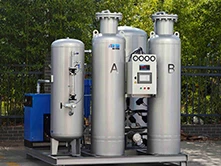


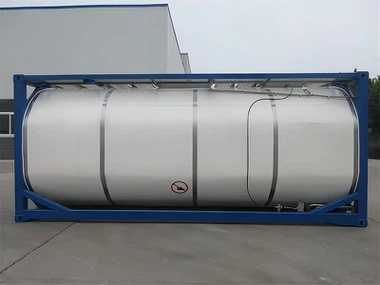


Applications Using Oxygen Generation
Steel Making
Lead and Copper Smelting
Oxygen Lancing
Oxy-acetylene cutting, welding and brazing
Oxygen-Enriched Combustion
Oxy-Fuel Burners
Electric Arc Furnaces (EAF’s) for steel scrap melting
Cupola furnaces for cast iron production
Rotary furnaces for copper and its alloys melting
Rotary and reverberatory furnace for aluminum production
Rotary and blast furnaces for lead manufacture
Crucible furnaces for gold and silver scrap processing

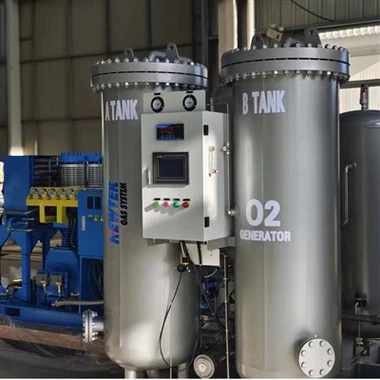
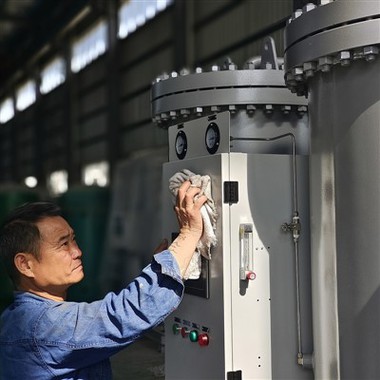
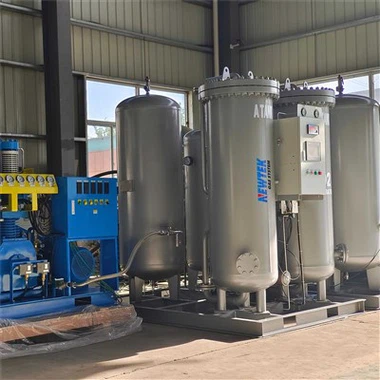
The major benefits of oxygen combustion are:
Productivity improvement (10-25%)
Exhaust gas volume reduction (25-60%)
Higher melting rates (15-30%)
NOx and VOC reductions in exhaust gas
Fuel savings (10-40%)
Oxy-fuel burners have been developed for a wide range of metal production furnaces, including:
Electric Arc Furnaces (EAF’s) for steel scrap melting
Rotary and reverberatory furnace for aluminum production
Cupola furnaces for cast iron production
Rotary and blast furnaces for lead manufacture
Rotary furnaces for copper and its alloys melting
Crucible furnaces for gold and silver scrap processing
The substitution of conventional air-fuel burners with oxy-fuel burners positively affects furnace operation by:
Reduced melting costs
Higher operating flexibility
Reduced melting times
Higher slag/metal separation
Decreased off-gas volume
Reduced metal oxidation and loss
The substitution of conventional air-fuel burners with oxy-fuel burners positively affects furnace operation by:
Reduced melting costs
Higher operating flexibility
Reduced melting times
Higher slag/metal separation
Decreased off-gas volume
Reduced metal oxidation and loss
An industrial oxygen generator is used in the production of both ferrous and nonferrous metals for two main purposes:
Enhanced Productivity
Reduced Fuel Consumption
An industrial oxygen generator plays a pivotal role in the production of both ferrous and nonferrous metals, serving dual purposes: enhanced productivity and reduced fuel consumption. By seamlessly integrating with the combustion process in melting furnaces, it brings about transformative advantages.
In the realm of enhanced productivity, the introduction of oxygen into the combustion air for burners elevates flame temperature and optimizes heat transfer dynamics. This strategic enhancement results in a noteworthy surge in productivity, ranging from 10-25%. Simultaneously, a substantial reduction in exhaust gas volume and content, including pollutants like NOx and VOCs, is achieved. This not only aligns with environmental considerations but also contributes to the overall efficiency of the metal production process.
The combustion reaction, as exemplified by the methane (natural gas) equation: CH4 + 2O2 + 8N2 → CO2 + 2H2O + 8N2, underscores the significant role oxygen plays in altering the combustion landscape. Nitrogen, a major component of ambient air, does not partake in the combustion reaction and often contributes to energy losses due to the expulsion of hot exhaust gases, accounting for 40-50%. Through the addition of oxygen to the combustion air, the concentration of nitrogen is substantially diminished, with subsequent benefits.
Understanding the intricate workings of an industrial oxygen generator is pivotal in grasping its significance in modern manufacturing processes.
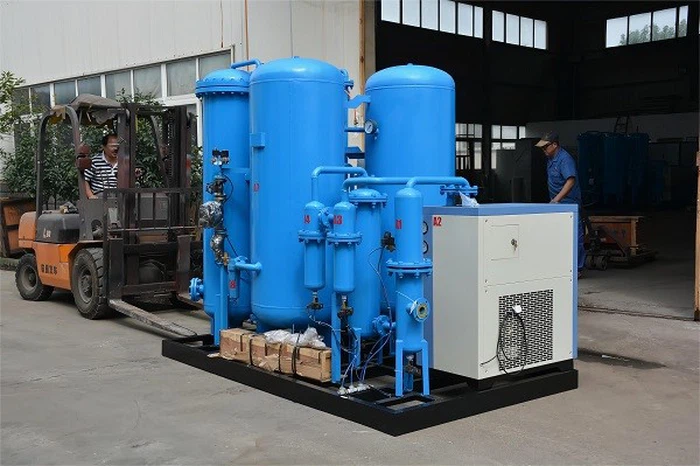
Overview of Oxygen Generator Functionalit
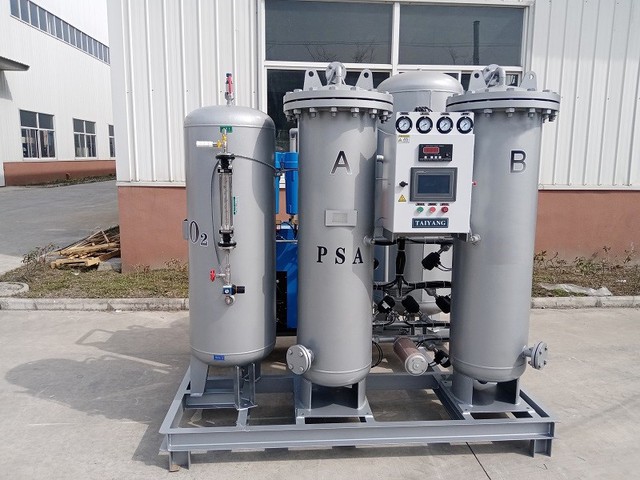
An industrial oxygen generator operates on the principle of pressure swing adsorption (PSA), a sophisticated technology designed to extract high-purity oxygen from compressed air. Compressed air, mirroring the composition of ambient environmental air with 21% oxygen and 78% nitrogen, undergoes a meticulous separation process within the generator.
Operating Principles of PSA Oxygen Generators:
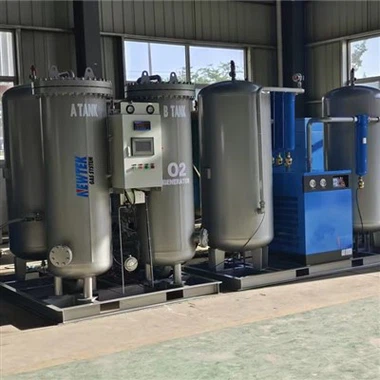
In the PSA oxygen generator, compressed air is directed through a zeolite molecular sieve, a distinctive feature distinguishing it from nitrogen generators. This zeolite sieve selectively adsorbs nitrogen, enabling high-purity oxygen to flow through the product gas outlet. The ability of zeolite to release retained nitrogen under reduced pressure facilitates the regeneration of the medium, ensuring a continuous cycle of oxygen production.
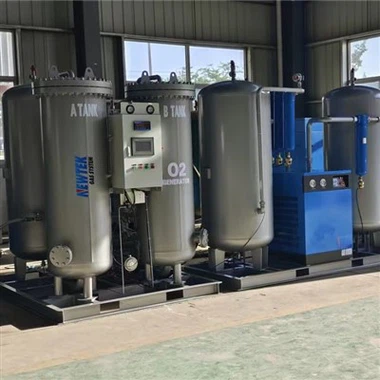
Beyond the PSA variant, NEWTEK introduces the Vacuum Pressure Swing Adsorption (VPSA) oxygen generator. This innovative system employs a low-pressure blower to supply zeolite vessels and utilizes a vacuum for efficient regeneration.
Oxygen Generator vs. Oxygen Concentrator:
The terms "oxygen generator" and "oxygen concentrator" are often used interchangeably, though they may denote different scales of devices. Generally, an oxygen concentrator refers to a smaller-scale device, often portable for home use. In contrast, an oxygen generator is a term more aligned with the large-scale equipment integral to industrial manufacturing processes.
Components of Oxygen Generators:
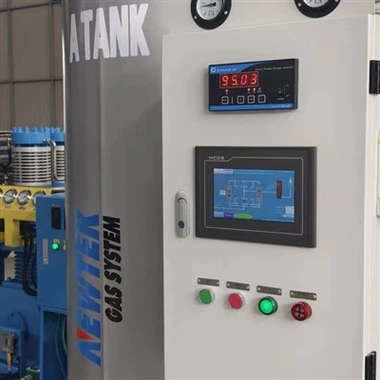
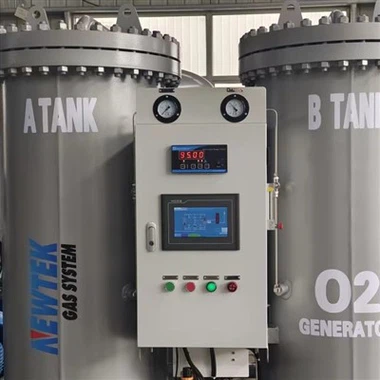
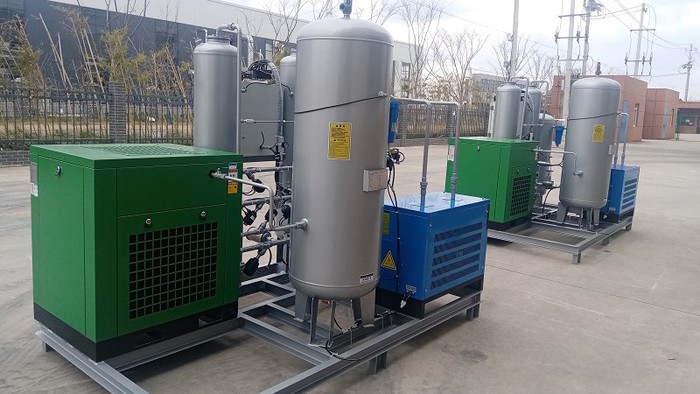
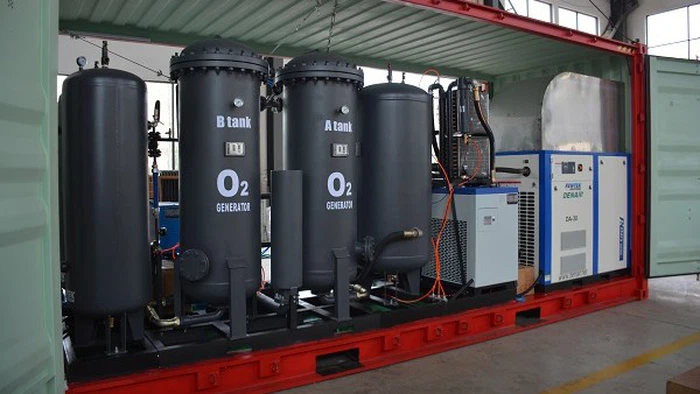
The essential components of an oxygen generator include an air compression unit, particulate and coalescing filters, instrument air dryers, absorptive zeolite-filled cylinders or towers, a pressure stabilizing reservoir, and inlet/outlet valves connected by gas circulation tubing. This comprehensive system ensures the efficient and reliable production of high-purity oxygen for diverse industrial applications.

As one of the most professional industrial oxygen generator manufacturers and suppliers in China, we warmly welcome you to wholesale high purity industrial oxygen generator from our factory. All custom made products are with high quality and competitive price.
Industrial Oxygen Generator Machine, Industrial Oxygen Generator, Industrial Oxygen Concentrator