

 日本語
日本語 한국어
한국어 Français
 Deutsch
 Español
 Italiano
 Português
 Việt Nam
 Türkçe
 عربي
عربي  русский
  简体中文
简体中文 Čeština
 ไทย
ไทย Eesti
Eesti Gaeilgenah Éireann
 Bai Miaowen
 íslenska
 Cymraeg
 Български
 اردو
اردو Polski
 hrvatski
 українська
 bosanski
 فارسی
فارسی Lietuvių
 Latviešu
 עברית
עברית România limbi
 Ελληνικά
 dansk
dansk magyar
 Norsk
Norsk suomi
suomi Nederlands
 Svenska
 slovenčina
 slovenščina
 हिंदी
हिंदी Indonesia
 Melayu
 Malti
Malti Kreyòl Ayisyen
 Català
 বাংলা
বাংলা Srbija jezik (latinica)
 O'zbek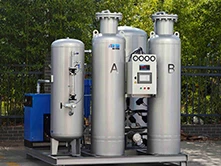
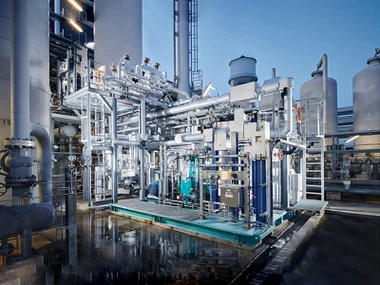
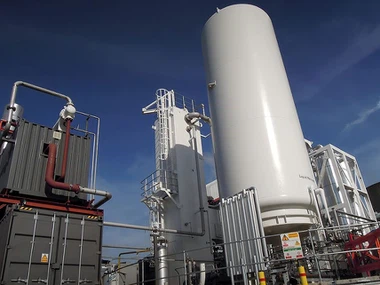


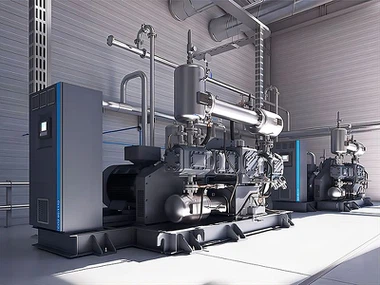
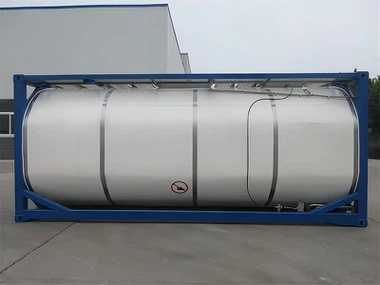


Oxygen plant is an industrial facility that generates pure oxygen from various sources, such as air, water, and commercial-grade oxygen. Oxygen plant is used to produce high-pressure oxygen gas which is used for several industrial and healthcare applications. There are different types of oxygen plants such as cryogenic oxygen plants, pressure swing adsorption oxygen plants, and membrane oxygen plants. These plants play a crucial role in diverse industries including metallurgy, chemical, medical, and aerospace.
Advantages of Oxygen Plant
Reliable supply
Oxygen is a critical component in a range of industrial processes, as well as in healthcare and medical applications. By having your own oxygen plant, you can ensure a reliable supply of high-quality oxygen that meets your specific needs.
Flexibility
An on-site oxygen plant gives you complete control over the production process, allowing you to adjust output levels and customize the oxygen purity to meet changing demand and process requirements.
Improved safety
Transporting oxygen cylinders can be dangerous, as they are highly flammable and under pressure. Having an on-site oxygen plant can eliminate the need for transport, reducing the risk of accidents and improving safety conditions.
Environmental benefits
Many oxygen production methods are energy-intensive and generate significant greenhouse gas emissions. By producing your own oxygen, you can reduce your carbon footprint and contribute to a more sustainable future.
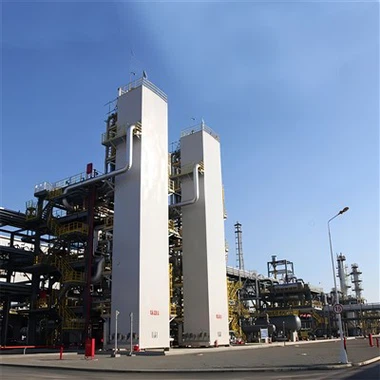
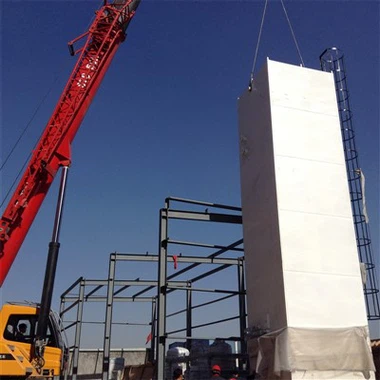


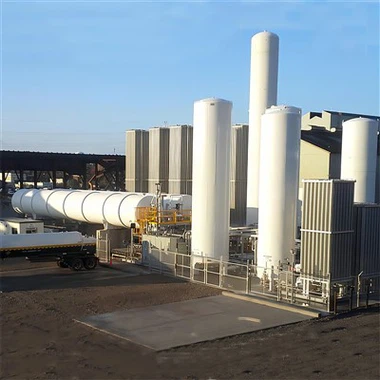
Ensures a steady supply of oxygen
Cost-effective in the long run
Provides independence from external sources
Customisable to suit specific needs.

Types of Oxygen Plant
Medical oxygen plant
Medical oxygen plant is an industrial plant that produces oxygen for medical use. Medical oxygen is used to provide oxygen therapy for patients with respiratory distress or to assist with certain medical procedures. Medical oxygen is produced by separating oxygen from air using techniques like cryogenic distillation, pressure swing adsorption, or vacuum swing adsorption. The medical oxygen produced by these plants is compliant with strict safety standards, including purity and oxygen concentration, to ensure it is suitable for human consumption. Medical oxygen plants are critical healthcare infrastructure and are essential for providing lifesaving medical care in hospitals and clinics.
Industrial oxygen generator
Industrial oxygen generator is an equipment that is used to produce oxygen in large quantities for industrial and medical purposes. It uses pressure swing adsorption (PSA) or membrane technology to separate oxygen from air. In PSA technology, compressed air is passed through a bed of zeolite material that selectively adsorbs nitrogen and other gases, leaving oxygen to pass through while in membrane technology, oxygen permeates through a polymer membrane, and nitrogen is separated. The resulting oxygen is then stored and delivered to different applications, including welding, cutting, metal fabrication, medical, and other industrial uses.
Modular oxygen plant
Modular oxygen plant is a type of oxygen generation system that is designed to be easily transportable and installed in remote or challenging locations. It consists of several separate modules that can be assembled on site to create a complete oxygen production unit. These modules include air compressors, air filters, molecular sieves, and storage tanks. Modular oxygen plants are often used in military, medical, or industrial applications where oxygen supply is critical and where the cost of transporting oxygen cylinders or bulk oxygen is prohibitive.
Container oxygen plant
Container oxygen plant is a self-contained system that produces oxygen for use in a variety of applications. It is designed for easy transportation and can be installed quickly on site. The plant includes a compressor, air treatment system, oxygen generator, and storage tanks all contained within a single shipping container. The oxygen produced by the plant can be used for medical, industrial, or agricultural purposes. The containerized design makes it ideal for remote locations, disaster relief efforts, and other situations where on-site oxygen generation is needed.
Cryogenic oxygen plant
Cryogenic oxygen plant is a type of industrial plant that produces high purity oxygen gas by separating it from air using a cryogenic distillation process. The plant operates at low temperatures, typically below -183°C, which causes the different components of the air to condense and separate based on their boiling points. Cryogenic Oxygen Plants are used for various applications including medical, industrial, and scientific research, as well as for welding and cutting operations in manufacturing plants.
Liquid oxygen plant
Liquid oxygen plant is a facility that is designed to produce liquid oxygen, which is used for a variety of purposes such as medical applications, welding and cutting, and propulsion for rockets. The plant usually consists of several components including air compressors, air purifiers, a liquefaction unit, a storage tank, and a vaporizer. The process involves compressing and purifying atmospheric air, then cooling and liquefying it in a cryogenic distillation column. The resulting liquid oxygen is then stored in a tank and can be transported to various end-users.

Common Sense for Safe Use of Oxygen Plant
Keep oxygen plants away from combustible materials
Oxygen is a highly combustible gas, and oxygen plants create an almost pure oxygen stream. As such, they need to be kept away from any combustible materials, including grease, oil, and solvents. Oxygen plants should also be used in well-ventilated areas.
Store and handle oxygen cylinders safely
Oxygen is stored in high-pressure cylinders. Ensure that the cylinders are stored upright, secured, and away from heat sources. Oxygen cylinders should only be handled by individuals who have received proper training.
Protect oxygen plant from physical impact
Ensure that oxygen plants are not vulnerable to physical impact, including falling objects and vehicle collisions. Oxygen plants should be located in safe areas that are not subject to regular physical impact.
Use proper fittings and regulators
Using the proper fittings and regulators is important for safe use of oxygen plants. Ensure that all fittings are compatible and rated for oxygen use, and that all regulators are designed for the flow rates required by the plant.
Ensure proper maintenance and inspection
Maintaining and inspecting oxygen plants is crucial to ensure safe operation. Set up a maintenance schedule and adhere to it. Conduct regular inspections to identify any potential issues before they become major problems.
Oxygen plant is a type of industrial machinery used to produce oxygen gas for various applications. The plant functions by separating oxygen gas from atmospheric air, which is composed of approximately 78% nitrogen and 21% oxygen. This process is typically achieved through a process of air liquefaction and distillation.
The main function of an oxygen plant is to produce high-purity oxygen gas that can be used in a wide range of industrial, medical, and scientific applications. Industries that use oxygen plant-generated gas include steel production, chemical production, and oil refining. Medical applications of oxygen gas include oxygen therapy for patients with respiratory conditions, while scientific applications include laboratory research and environmental monitoring.
The oxygen plant can be operated in different modes depending on the specific application. For example, some plants are designed to operate continuously, providing a steady stream of oxygen gas to industrial processes. Others are designed to operate only when a specific amount of oxygen gas is needed, allowing for more efficient use of resources.
In addition to producing oxygen gas, modern oxygen plants may also incorporate other processes to purify the resulting gas and remove impurities. These processes may include molecular sieve technology or cryogenic distillation to improve the quality of the oxygen gas and make it suitable for specific applications.
Components of Oxygen Plant
Air compressor
The air compressor is used to compress atmospheric air to a high pressure. The compressed air is then filtered and cooled before being sent to the next stage.
Air separation unit
The air separation unit is the heart of the oxygen plant. It separates the various gases in the compressed air, using a molecular sieve or pressure swing absorption technology, to produce high-purity oxygen. The oxygen produced is then sent to storage tanks for use.

Cooling system
The cooling system is used to cool the oxygen gas and maintain a consistent temperature throughout the oxygen plant. It also helps to remove moisture from the oxygen gas.
Purification system
The purification system is used to remove impurities and other contaminants from the oxygen gas, to produce high-quality and high-purity oxygen.
Storage tanks
The storage tanks are used to store the oxygen gas until it is needed. The tanks are designed to maintain high-pressure and can hold large volumes of oxygen.
Control system
The control system is used to monitor and control the various components of the oxygen plant. It ensures that the plant is operating efficiently and safely, and it can alert operators to any issues or problems that may arise.
Material of Oxygen Plant
The primary material used in the construction of an oxygen plant is stainless steel, which is known for its excellent corrosion resistance and high strength properties. The stainless steel used in oxygen plants is typically of the austenitic type due to its high resistance to corrosion, pitting and crevice corrosion, and stress corrosion cracking.In addition to stainless steel, other important materials used in the construction of an oxygen plant include aluminum and copper. These materials are used in the manufacture of oxygen compressors and heat exchangers. Aluminum is ideal for use in the manufacture of oxygen compressors due to its lightweight, high strength, and excellent heat dissipation properties. Copper is used in the manufacture of oxygen heat exchangers due to its excellent thermal conductivity.Other materials that are used in the construction of oxygen plants include plastic, rubber, and various types of gaskets and seals.
Capacity
Consider the amount of oxygen you'll need. Choose an oxygen plant that can meet your oxygen demands accurately. The capacity of an oxygen plant is measured in cubic meters per hour, so work out your requirements based on the usage.
Purity
Oxygen purity is an important factor to consider. Choose an oxygen plant that produces oxygen with the required purity level.
Type of oxygen plant
There are two types of oxygen plant – cryogenic and non-cryogenic. Cryogenic plants use liquefied gases, while non-cryogenic plants produce oxygen by separating it from air via the Pressure Swing Adsorption (PSA) process. Consider which type of plant will be best for the application, budget and location of your requirement.
Energy consumption
Oxygen plants require energy to operate. Choose an oxygen plant that consumes less energy and offers better fuel efficiency.
Maintenance and after sales service
Good maintenance and after-sales services are important to keep the plant functioning efficiently. Choose an oxygen plant from a reputed supplier who can provide good after-sales support and maintenance services.
How is the purity of oxygen ensured in Oxygen Plant
Pre-treatment of air
The air that is taken in from the atmosphere is first filtered to remove dust and other particles. It is then compressed to increase its pressure and reduce its volume.
Cooling
The compressed air is then cooled using a refrigeration unit. This helps to condense the moisture present in the air, which is removed by a separator.
Purification
The cooled and dried air is then passed through a molecular sieve adsorber. This adsorber contains a material that selectively adsorbs nitrogen, carbon dioxide, and other impurities present in the air. This process is called pressure swing adsorption.
Oxygen enrichment
The purified air, which now has a higher concentration of oxygen, is then passed through a second adsorber. This adsorber contains a material that selectively adsorbs nitrogen, further enriching the oxygen content.
Compression
The enriched oxygen is then compressed to increase its pressure and reduce its volume. This makes it easier to transport and store.
Analyzing
Finally, the purity of the oxygen is verified by analyzing a sample using an oxygen analyzer. If the purity is not satisfactory, the process is repeated until the desired level of purity is achieved.

The most common technology used in oxygen plants is the cryogenic distillation process. In this process, air is compressed and cooled to extremely low temperatures. The different gases in the air will liquefy and can be separated by their boiling points. Oxygen, which has a lower boiling point than nitrogen, will boil off first allowing for the separation of oxygen from nitrogen.The power requirement for a cryogenic oxygen plant is significant. Roughly, for every 100 tons of oxygen production per day, a cryogenic plant will require around 1 MW of power. This power is necessary to operate the compressors that will compress the air, run the cooling system required for liquefaction, and power the distillation columns that will separate the gases.Other types of oxygen plants, such as pressure swing adsorption (PSA) and vacuum pressure swing adsorption (VPSA), require less power than cryogenic plants. These plants use adsorbent materials to selectively adsorb oxygen. The adsorbent material is then regenerated by depressurization, which releases the adsorbed oxygen. This type of plant requires roughly 0.1 MW per 100 tons of oxygen production per day.
How to Install Oxygen Plant
Choose the location
Select a suitable location for the oxygen plant that is away from any sources of ignition, fire hazards, and chemical storage. Ensure that the location is well-ventilated and meets all regulatory guidelines.
Prepare the ground
The ground must be level and compacted to prevent foundation settling. Clear any debris and vegetation from the site to promote good air circulation and maintain a clean environment.
Install the foundation
Construct a foundation of concrete that is strong enough to support the weight of the plant. This may require excavation and soil compaction.
Install the piping
Once the foundation is in place, install the oxygen piping and ducting. Make sure the piping is connected correctly, and the ducting is in the right position for efficient airflow.
Install the equipment
Install the oxygen production equipment, such as the compressor, filter, and scrubber units, in the right position. This requires careful calibration and adjusted to achieve the desired oxygen purity.
Connect the electrical and control systems
Connect all electrical and control systems following electrical safety guidelines. This includes testing all electrical systems for proper grounding and ensuring that all wiring is adequately protected.
Final inspection
Conduct a final inspection of the oxygen plant to ensure that it meets all regulatory guidelines and safety requirements.
How to Maintain Oxygen Plant
Regular cleaning of the plant
Cleanliness is critical when maintaining an oxygen plant. The plant should be cleaned regularly to remove any dust or dirt that can accumulate and contaminate the oxygen produced. The filters, membranes, and other components of the plant should be cleaned thoroughly and replaced if necessary.
Lubrication of moving parts
The moving parts of the oxygen plant, such as pumps and compressors, should be lubricated regularly to prevent corrosion and wear and tear. The lubrication should be done as per the manufacturer's instructions.
Calibration of sensors
The sensors in the oxygen plant are critical for monitoring the quality of the oxygen produced. These sensors should be calibrated regularly to ensure that they are working optimally and producing accurate readings.
Maintenance of the power supply
The power supply that the oxygen plant uses should be maintained regularly. Any issues with the power supply can affect the functioning of the plant, so it is essential to ensure that it is always in good condition.
Regular inspection of the plant
The oxygen plant should be inspected regularly to identify any issues that may affect its functionality. Any problems should be addressed immediately to prevent them from escalating and causing significant damage to the plant.
Record keeping
It is essential to keep records of all maintenance activities carried out on the oxygen plant. These records will help in identifying any recurring issues and in tracking the performance of the plant over time.
FAQ
Q: What is an oxygen plant?
Q: How does an oxygen plant work?
Q: What are the components of an oxygen plant?
Q: What is the purpose of an oxygen plant?
Q: What are the benefits of having an oxygen plant?
Q: What are the typical applications for oxygen plants?
Q: What is the purity level of oxygen produced by an oxygen plant?
Q: What is the power consumption of an oxygen plant?
Q: How long does it take to install an oxygen plant?
Q: What is the maintenance requirement for an oxygen plant?
Q: Can an oxygen plant be installed in a remote location?
Q: What safety measures are required for oxygen plants?
Q: What is the cost of an oxygen plant?
Q: Are there any environmental concerns associated with oxygen plants?
Q: What industries use oxygen plants?
Q: How do you choose the right size oxygen plant for your needs?
Q: What is the lifespan of an oxygen plant?
Q: How do you transport an oxygen plant?
Q: How much oxygen can an oxygen plant produce?
Q: Can an oxygen plant supply oxygen to multiple locations?
As one of the most professional oxygen plant manufacturers and suppliers in China, we warmly welcome you to wholesale high purity oxygen plant from our factory. All custom made products are with high quality and competitive price.