

 日本語
日本語 한국어
한국어 Français
 Deutsch
 Español
 Italiano
 Português
 Việt Nam
 Türkçe
 عربي
عربي  русский
  简体中文
简体中文 Čeština
 ไทย
ไทย Eesti
Eesti Gaeilgenah Éireann
 Bai Miaowen
 íslenska
 Cymraeg
 Български
 اردو
اردو Polski
 hrvatski
 українська
 bosanski
 فارسی
فارسی Lietuvių
 Latviešu
 עברית
עברית România limbi
 Ελληνικά
 dansk
dansk magyar
 Norsk
Norsk suomi
suomi Nederlands
 Svenska
 slovenčina
 slovenščina
 हिंदी
हिंदी Indonesia
 Melayu
 Malti
Malti Kreyòl Ayisyen
 Català
 বাংলা
বাংলা Srbija jezik (latinica)
 O'zbek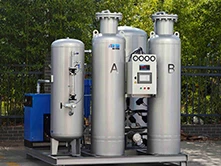
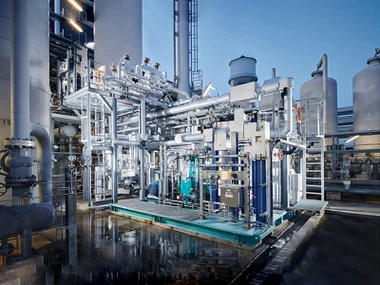
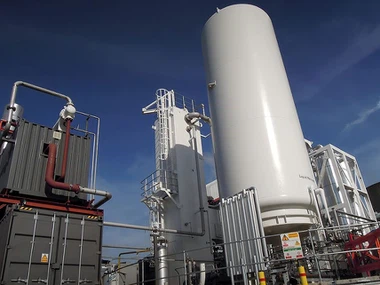


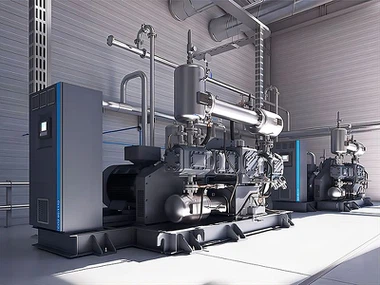
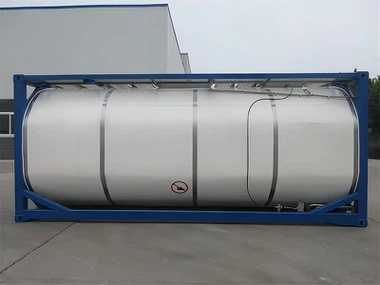


Nitrogen plant is a facility that produces nitrogen gas by separating the nitrogen component from atmospheric air. The process involves compressing air and cooling it to separate the oxygen and other gases from the nitrogen gas. This process can be done using different technologies, including pressure swing adsorption (PSA) and membrane separation. The resulting nitrogen gas is used for various industrial and commercial applications, such as in food packaging, electronics manufacturing, and oil and gas refining. Nitrogen plants are commonly used in industries that require a high purity of nitrogen gas, such as pharmaceuticals and chemical manufacturing.
Advantages of Nitrogen Plant
Increased safety
On-site nitrogen production eliminates the need for transporting nitrogen cylinders or liquid nitrogen, which reduces the risk of accidents and enhances safety at the workplace.
Environmentally friendly
Nitrogen plants consume less energy and produce less waste as compared to other nitrogen production methods, which makes them an environmentally friendly option.
Customizable
Nitrogen plants can be customized based on the specific needs and requirements of each industry, which makes them a versatile and flexible gas generation system.
Easy to operate
Nitrogen plants are easy to operate and require minimal maintenance, which reduces the need for skilled personnel and further decreases operating costs.





Why Choose Us
Our Products
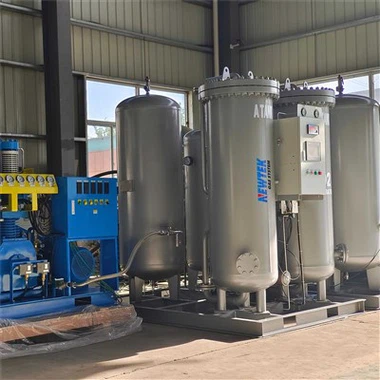
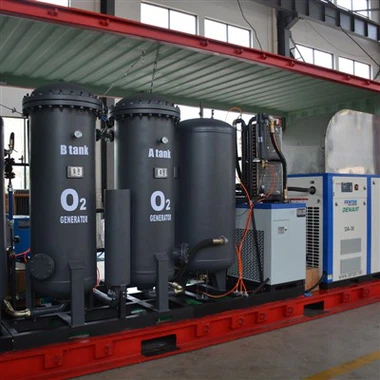
Newtek is a high-tech company, focusing on the design and manufacture of gas system for oxygen, nitrogen, argon,acetylene, nitrous oxide and carbon dioxide power generation devices/cylinder filling generators.
Rich Experience
As one of the world's leading manufacturers with extensive experience in on-site gas generators and plant systems, around 350 generators/plants have been installed worldwide.
Advanced Equipment
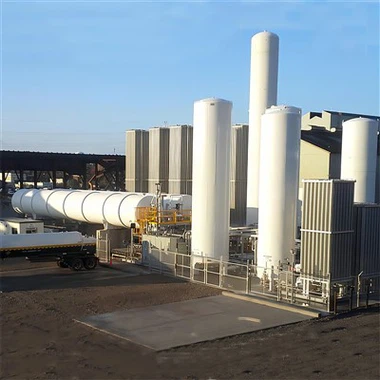
The core product line includes PSA/VPSA oxygen nitrogen plants, cryogenic oxygen/nitrogen/argon plants, acetylene plants, nitrous oxide plants, carbon dioxide plants, oxygen, nitrogen and argon reliquefiers, oil storage tanks and custom plants.
Our Certificate
We are committed to exceeding standards and providing high-quality products and services. Holds multiple certifications including ISO 9001, ISO 13485, ISO 14001 and PED 97/23.

NEWTEK On-site Cryogenic Nitrogen Plants and Services
Advanced Technology. Robust Demand.High purity. High volume. High performance. At work around the world and within applications across every major industry, Air Products' cryogenic product line offers state-of-the-art technology in high-purity, on-site nitrogen supply. Providing cryogenic purity gaseous nitrogen in a broad range of flow rates, our NEWTEK generators deliver consistent performance and long-term cost savings.
Types of Nitrogen Plant
Cryogenic nitrogen plant
This type of plant is designed to produce nitrogen gas by liquefying air at a very low temperature. The air is first compressed and cooled to remove water vapour and carbon dioxide from it. The resulting cold and dry air is then passed through a series of heat exchangers to cool it further. This causes the air to liquefy, and the nitrogen gas is separated from other components of air.
Pressure swing adsorption nitrogen plant
This type of plant is designed to produce nitrogen gas by separating it from compressed air based on the principle of adsorption. In this method, compressed air is passed through an adsorbent material (such as molecular sieves) that selectively adsorbs oxygen, carbon dioxide, and water vapour, leaving nitrogen gas behind.
Membrane nitrogen plant
This type of plant is designed to produce nitrogen gas by passing compressed air through a semi-permeable membrane. The membrane allows nitrogen gas to pass through but restricts the passage of oxygen, carbon dioxide, and water vapour. This results in the separation of nitrogen gas from other components of air.
Ammonia absorption nitrogen plant
This type of plant is designed to produce nitrogen gas by removing ammonia from the air. The air is first compressed and cooled to remove water vapour and carbon dioxide from it. The resulting cold and dry air is then passed through a solution of ammonia that absorbs the nitrogen gas. The ammonia is then separated from the nitrogen gas through a process of desorption.
Application of Nitrogen Plant
Food and beverages industry
Nitrogen gas is used for modified atmosphere packaging (MAP) of food to prevent spoilage and microbial growth. It is also used for nitrogenation of beer to improve its taste and quality.
Chemical industry
Nitrogen gas is used in the chemical industry for various applications such as inerting, blanketing, and purging. It is also used in the production of ammonia, urea, and other chemicals.
Oil and gas industry
Nitrogen gas is used for oil and gas well stimulation, pressure testing, enhanced oil and gas recovery, and for purging pipelines and storage tanks.
Pharmaceutical industry
Nitrogen gas is used for the storage and transportation of sensitive pharmaceutical products that require a controlled environment. It is also used for the production of pharmaceuticals and other medical devices.
Fire prevention
Nitrogen gas is used for fire suppression systems in data centers, museums, and other locations where sensitive equipment or artifacts need to be protected.
Automotive industry
Nitrogen gas is used for filling tires to prevent oxidation and maintain consistent pressure, which improves fuel efficiency and prolongs tire life.

Components of Nitrogen Plant
Air compressor
The air compressor is the first component of the nitrogen plant that compresses the atmospheric air at high pressure for further processing.
Air purification system
The air purification system removes impurities from the compressed air, such as dust particles, moisture, and oil droplets.
Air dryer
The air dryer further removes moisture from the compressed air to make it ready for the next stage of the process.
Air filter
The air filter removes any remaining impurities, such as residual oil or gas, from the air.
Air separation unit
The air separation unit is the most crucial component of the nitrogen plant responsible for separating nitrogen from other gases present in the compressed air.
Nitrogen receiver
The nitrogen receiver stores the produced nitrogen at a high pressure.
Control system
The control system is the brain of the nitrogen plant, which controls and monitors the entire process to ensure safe, efficient, and quality product output.
Coolers
Coolers are used to cool the compressed air before entering the air separation unit to increase its efficiency.
Nitrogen plants typically require electricity for several purposes, including powering the air compressors that feed raw air to the plant, driving the turbines that produce the necessary cooling for certain processes, and running the various pumps, motors, and other equipment involved in the production of nitrogen.Power requirement for a nitrogen plant may be expressed in terms of kilowatts (kW), megawatts (MW), or horsepower (hp), depending on the context. The power requirement may also be expressed as a specific energy consumption (SEC) figure, which represents the amount of electricity needed to produce a certain amount of nitrogen.Factors that can affect the power requirement for a nitrogen plant include the purity of the nitrogen being produced, the ambient temperature and humidity conditions, and the overall efficiency of the plant's equipment and processes. In order to optimize the power consumption of a nitrogen plant, it may be necessary to regularly monitor and measure the energy use of each component, and make adjustments as needed to reduce waste and improve efficiency.

What Are the Environmental Considerations of Using Nitrogen Plant
Energy consumption
Nitrogen plants typically rely on large amounts of electricity to operate. This energy consumption can have a significant impact on the environment, particularly if the electricity is generated from fossil fuels.
Carbon emissions
The production and transportation of nitrogen can result in significant carbon emissions. Nitrogen is commonly produced through the Haber-Bosch process, which requires high temperatures and pressures and releases carbon dioxide as a byproduct.
Waste disposal
Nitrogen plants generate waste products, such as carbon dioxide and contaminants. Proper disposal of these wastes is important to prevent negative impacts on the environment, such as air and water pollution.
Land use
Some types of nitrogen plants require significant amounts of land for siting and operation. This can lead to habitat loss, fragmentation, and other types of environmental impacts, particularly if the plant is located in a sensitive area.
Water use
Nitrogen plants may require significant amounts of water for cooling and other processes. This can deplete local water resources, particularly in water-limited regions.
Chemical use
Nitrogen plants may use chemicals, such as catalysts or solvents, which can have negative impacts on the environment if not properly handled and disposed of.

The purity of nitrogen produced by a nitrogen plant typically ranges from 95% to 99.999%. The level of purity is determined by the specific requirements of the application for which the nitrogen is intended. Nitrogen plants use a variety of methods to separate nitrogen from air, including pressure swing adsorption, membrane separation, and cryogenic distillation. These processes remove impurities such as oxygen, water vapor, carbon dioxide, and other gases, resulting in highly pure nitrogen gas. The purity level and production capacity can be tailored to meet the specific needs of industries such as pharmaceuticals, electronics, food and beverage, and metal fabrication. Nitrogen plants play a critical role in providing a reliable and cost-effective source of high-purity nitrogen for industrial processes.
How to Choose Nitrogen Nitrogen Plant
Production rate
The first and most important factor to consider when choosing a nitrogen plant is your required production rate. This will depend on your specific application and the amount of nitrogen you need on a daily or hourly basis.
01
Purity level
The next factor to consider is the purity level of the nitrogen you need. Most industrial applications require nitrogen with a purity level of 99% or higher.
02
Operating costs
It's important to consider the operating costs of the nitrogen plant you choose. This includes factors such as energy consumption, maintenance costs, and any consumables like filters or adsorbents.
03
Available space
Nitrogen plants come in a range of sizes, so it's important to choose one that will fit in the available space at your facility. Make sure to measure the space carefully to ensure the plant will fit comfortably.
04
Installation requirements
Some nitrogen plants require a lot of installation and setup, while others can be more easily integrated into an existing system. Consider the installation requirements and make sure they are feasible for your facility.
05
What are the Working Theory of Nitrogen Plant
The working theory of a nitrogen plant is based on the principle of separating nitrogen gas from the atmosphere.The air we breathe is composed of several gases, with nitrogen being the most abundant at around 78%. Nitrogen plants use an air separation process that involves compressing atmospheric air and removing other gases, such as oxygen and argon, to produce a high-purity stream of nitrogen gas.The air separation process begins with a compressor that pumps air into a molecular sieve, where the oxygen is separated and removed. The remaining air is then directed towards a second molecular sieve, where argon is removed, leaving only pure nitrogen gas.The nitrogen gas is then compressed and cooled to produce a liquid that can be stored and transported. The liquid nitrogen is then converted back to a gas when required for use, such as in industrial and medical applications, or for food preservation.
How Does a Nitrogen Plant Help in Well Drilling Operations
Nitrogen plant is a machine that is used to generate nitrogen gas from air, which can then be used in various industries such as well drilling operations. In well drilling operations, nitrogen gas is used to maintain pressure in the wellbore, which prevents the formation of gas hydrates and other harmful substances that could interfere with the drilling process.
The nitrogen gas produced by the plant is delivered to the well site through a pipeline or storage tanks. Once on site, the gas is injected into the wellbore to displace any other gases or fluids that may be present. This creates a stable environment for drilling operations and prevents the formation of various problems that could hinder the drilling process.
One of the main benefits of using nitrogen in well drilling is its ability to prevent blowouts. Blowouts can occur when pressure in the wellbore is too high, causing gases and fluids to escape uncontrollably. By using nitrogen gas to maintain pressure, the risk of blowouts can be significantly reduced.
Another benefit of using nitrogen in well drilling is its ability to prevent formation damage. When drilling is being carried out, any fluids or gases that enter the wellbore may cause damage to the surrounding rock formations. Nitrogen gas can be used to displace these fluids and prevent any damage from occurring.
What Maintenance Is Required for a Nitrogen Plant
Filter replacement
Nitrogen plants utilize air compressors to extract nitrogen from the air. Filters are used to remove oil, water, and other impurities from the compressed air before it enters the nitrogen generator. Regular filter replacement ensures that the air is clean and dry, which prevents damage to the equipment and ensures the purity of the nitrogen produced.
Checking pressure levels
Pressure sensors and gauges should be checked regularly to ensure that the nitrogen plant is operating within the specified pressure range. This helps prevent overloading of the system and ensures that the nitrogen produced is of the correct purity level.

Lubrication
The air compressor and other moving parts of the nitrogen plant require regular lubrication to prevent damage and ensure smooth operation.
Checking for leaks
Nitrogen plants depend on carefully controlled pressure levels to extract nitrogen from the air. Any leaks in the system can reduce the efficiency of the plant and affect the purity of the nitrogen produced. Regular inspections are necessary to identify and repair any leaks that may occur.
Calibration
The sensors and controls on the nitrogen plant may require regular calibration to maintain accuracy and ensure proper operation.
Cleaning
Dirt, dust, and other contaminants can accumulate on the equipment over time, reducing its efficiency and affecting the purity of the nitrogen produced. Regular cleaning of the equipment helps prevent these issues.
FAQ
Q: How does a nitrogen plant work?
Q: How do you produce nitrogen?
Q: What is the use of nitrogen?
Q: What is the working principle of PSA nitrogen plant?
Q: What is nitrogen and why do plants need it?
Q: What is a nitrogen plant?
Q: What are the benefits of nitrogen plant?
Q: What applications is nitrogen plant commonly used for?
Q: What factors should be considered when choosing a Nitrogen Plant?
Q: Can a Nitrogen Plant be customized for specific needs?
Q: How long does a nitrogen plant last?
Q: How much space is required for a nitrogen plant?
Q: How is nitrogen produced in a nitrogen plant?
Q: How much power does a nitrogen plant consume?
Q: How is the nitrogen gas stored after production?
Q: How is the nitrogen plant controlled and operated?
Q: How does a nitrogen plant help in the preservation of food products?
Q: How is the demand for nitrogen plants forecasted?
Q: How does a nitrogen plant help in well drilling operations?
Q: How long does it take to install a nitrogen plant?
As one of the most professional nitrogen plant manufacturers and suppliers in China, we warmly welcome you to wholesale high purity nitrogen plant from our factory. All custom made products are with high quality and competitive price.