

 日本語
日本語 한국어
한국어 Français
 Deutsch
 Español
 Italiano
 Português
 Việt Nam
 Türkçe
 عربي
عربي  русский
  简体中文
简体中文 Čeština
 ไทย
ไทย Eesti
Eesti Gaeilgenah Éireann
 Bai Miaowen
 íslenska
 Cymraeg
 Български
 اردو
اردو Polski
 hrvatski
 українська
 bosanski
 فارسی
فارسی Lietuvių
 Latviešu
 עברית
עברית România limbi
 Ελληνικά
 dansk
dansk magyar
 Norsk
Norsk suomi
suomi Nederlands
 Svenska
 slovenčina
 slovenščina
 हिंदी
हिंदी Indonesia
 Melayu
 Malti
Malti Kreyòl Ayisyen
 Català
 বাংলা
বাংলা Srbija jezik (latinica)
 O'zbek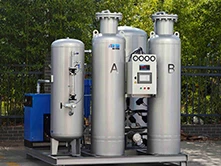


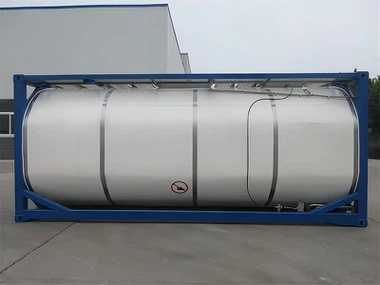


Your Professional Liquid Storage Tank Supplier
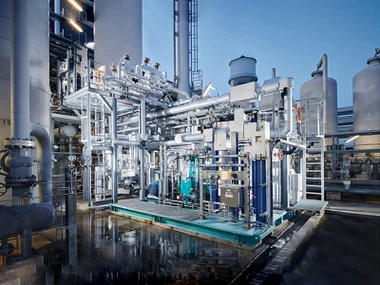
Newtek is a high-tech company specializing in the design and manufacture of gas systems for oxygen, nitrogen, argon, acetylene, nitrous oxide, and carbon dioxide power generation devices or cylinder filling generators. Our product line is highly adaptable and continuously expanding to meet customer demands.
Extensive Experience
As one of the world's leading manufacturers with extensive expertise in on-site gas generators and plant systems, Newtek has successfully installed approximately 350 generators/plants ly.
Advanced Equipment
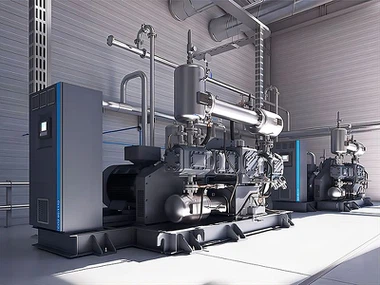
We possess state-of-the-art production equipment and cutting-edge technology, enabling us to independently manufacture various equipment and components required for oxygen plants, nitrogen plants, and carbon dioxide plants.
On-Site Installation and Commissioning
Following the completion of equipment manufacturing, our professional installation team will oversee the on-site installation and commissioning processes. We strictly adhere to standardized installation procedures and safety protocols to ensure the reliable operation and safety of the equipment.
Customized Services
Newtek offers a comprehensive range of customized services tailored to the specific needs of oxygen plants, nitrogen plants, and carbon dioxide plants.


|
Specifications |
Frame Dimensions |
20’ x 8’ x 8’6” |
|
Capacity |
21,000 Litres +/- 2% |
|
|
M.G.W. |
36,000 kg |
|
|
Tare Weight |
3,700 kg |
|
|
Max Payload |
32,300 kg |
|
|
Material |
Vessel Material |
SANS 50028-7 WNr 1.4402/1.4404 (C<0.03%) 316L |
|
Shell: Cold Rolled 2B finish |
||
|
Dished ends: Hot rolled and |
||
|
Polished internally to 1.0 Micron CLA |
||
|
Shell Thickness |
4.4 mm |
|
|
Ends Thickness |
4.7 mm Minimum after forming |
|
|
Corrosion Allowance |
0.2 mm |
|
|
Frame Material |
GB/T 1591-94-Q345D |
|
|
Frame to Shell |
304 stainless steel |
|
|
Corner castings |
ISO 1161 - 8 off |
|
|
Pressure |
Working Pressure |
1.77 Bar |
|
Test Pressure |
2.65 Bar |
|
|
Design Tempearture |
-40°C to +100°C |
|
Types of Liquid Storage Tank
The liquid storage tanks produced by our company mainly include the following types
Liquid Nitrogen Storage Tank
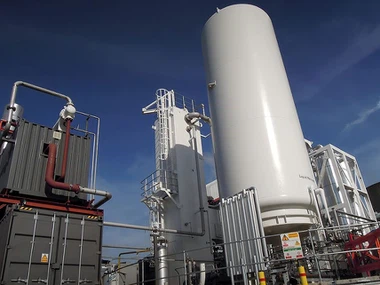
A liquid nitrogen storage tank, also known as a cryogenic storage tank, is a specialized container designed to store and preserve liquid nitrogen at extremely low temperatures. It plays a crucial role in various industries where the storage and transportation of cryogenic substances are required.
Oxygen Storage Tank
Oxygen storage tanks are equipment used to store and supply oxygen, used in a variety of processes such as metal cutting, welding, casting, mining operations and chemical production. Oxygen is an important raw material in many industrial processes.
Liquid Co2 Storage Tank
A liquid CO2 storage tank is a specialized container designed for the safe storage and transportation of liquid carbon dioxide (CO2). These tanks are engineered to handle the unique properties and requirements of storing this cryogenic liquid.

Advantages of Liquid Storage Tank
Clear Floor Space
Reducing the number of containers creates more floor space and eliminates clutter that can get in the way of your operation. By eliminating the number of containers, you can more efficiently organize, store, and label fluids.
Accessible Fill Ports
Compact fluid storage with accessible fill ports makes it easier to buy fluids in bulk, which is often more cost-effective.
Improved Mobility
A liquid storage tank is easier to move, keeping employees from rolling multiple drums from point A to point B in order to dispense fluid. This is less time-consuming, but more importantly, it is safer for employees who no longer have to strain or risk injury when rolling, pushing, pulling, or breaking (moving from standing position) a drum.
Reduced Contamination Hazards
Outside storage, leaky containers, and other contamination hazards can be eradicated with strong, liquid storage tanks. Increase your indoor space with stackable tanks and decrease unusable, dirty fluid.
Mitigating Waste
Liquid storage tanks allow you to condense half-full containers of fluid to reduce the amount of waste caused by excessive packaging. Many polyethylene tanks are translucent, so you can easily track the total amount of fluid remaining in your operation.
Applications of Liquid Storage Tank
Water
This is the most common use for liquid storage tanks, including everything from waste water and ground water to water from a drilling operation or from an industrial cleaning operation. Portable liquid storage tanks even come in handy for special events, as they can store the water needed to prepare roads. Types of water that can be stored include:
● Ground water
● Rain/storm water
● Waste water
● Snow (solid and melted)
● Frac water
● Contaminated water (from containing concrete grindings, to traces of arsenic)
● Demineralized water
● Distilled water
● Salt water
Chemicals
Several different types of chemicals (with a low concentration) can be stored inside portable liquid storage tanks. These can be helpful in storing chemicals such as fertilizers and pesticides, pharmaceutical or items for chemical mixing, and even acid in low concentrations. The most common chemicals frequently stored in portable liquid storage tanks include:
● Sodium hydroxide
● Magnesium hydroxide
● Aluminum chloride
● Ferrous chloride
● Ammonium nitrate
● Boric acid
● Citric acid
● Fatty acids
● Hydrochloric acid
● Phosphoric acid
● Sulfuric acid (under 65% concentration)
Fuel
Useful for holding several different types of oil and gasses, including:
● Jet fuel
● Diesel fuel
● Auto fuel
● Biodiesel
● Crude oil/petroleum gasoline
● Natural gas
● Ethanol
Oil
This is not the crude oil typically thought of when referring to “oil and gas” but rather the liquid from plant, animal or mineral sources used for lubrication, insulation or food preparation. Portable liquid storage tanks can hold the following oils:
● Transformer oil
● Lube oil
● Processing oil
● Quench oil
● Mineral oil
● Cottonseed oil
● Soybean oil
Safety Precautions for the Use of Liquid Storage Tanks
Proper Labeling and Signage
Proper labeling and clear signage on storage tanks are crucial for safe operations. Labels should accurately indicate the contents, hazards, and handling instructions of the tank's contents.
Training and Education for Personnel
Providing comprehensive training and education to personnel who work with storage tanks is essential. Training should cover topics such as proper handling procedures, emergency response protocols, and the correct use of safety equipment.
Ensuring Proper Grounding and Bonding
Proper grounding and bonding are critical safety measures when working with storage tanks containing flammable or combustible substances. Grounding involves connecting the tank to the earth to dissipate static electricity that can accumulate during operations.
Avoiding Sensitive Environmental Areas
Positioning storage tanks away from sensitive environmental areas, such as water bodies or ecologically sensitive regions, is a vital safety measure.
Properly Identifying Stored Substances
Accurate identification of stored substances is essential for proper handling and emergency response. Using standardized labeling systems, color coding, and specific symbols helps personnel quickly recognize the contents of storage tanks.
Preventing Contamination and Cross-Reactions
Separating different substances and preventing cross-contamination within storage tanks ensures chemical stability and safety. Mixing incompatible materials can produce hazardous reactions, releasing toxic fumes or causing fires.
Monitoring Chemical Reactions and Temperature Variations
Regularly monitoring the chemical reactions and temperature variations within storage tanks is crucial to detect any abnormal changes. Sudden changes in temperature or pressure could indicate potential hazards such as chemical reactions, phase changes, or pressure buildup.
Regular Inspections for Signs of Corrosion or Wear
Frequent inspections of storage tanks for signs of corrosion, wear, or deterioration are essential to prevent leaks, ruptures, or structural failures. Corrosion can weaken the tank's integrity and lead to leaks or spills.
Monitoring for Leaks, Cracks, or Deformations
Continuous monitoring for leaks, cracks, or deformations is critical to identify potential failures and prevent hazardous releases promptly.
Adequate Ventilation and Pressure Relief Systems
Ensuring proper ventilation and pressure relief systems in storage tanks is essential to prevent pressure buildup, vapor accumulation, or potential explosions.
Cooperation Process

|
Packaging |
High-quality plastic cloth and net bag packaging |
|
Shipping |
We will help you to choose the best shipping way according to your detail requirements. By sea, by air, or by express, etc. |
Services We Provide
Installation and Integration
Our comprehensive services cover the installation and seamless integration of the CO2 Liquefaction Facility into existing industrial setups, ensuring a smooth transition.
Operator Training
We provide professional training programs for plant operators, empowering them with the knowledge and skills needed for efficient and safe operation.
Maintenance and Support
Scheduled maintenance services and ongoing technical support are offered to maximize plant performance, minimize downtime, and ensure long-term reliability.
Customization
Tailoring solutions to meet specific client needs, we offer customization options for the CO2 Liquefaction Facility, ensuring it aligns perfectly with individual industrial requirements.
No matter what purity, what style of oxygen generator, nitrogen generator, or hydrogen generator, whether you want to build a liquid nitrogen plant, or liquid oxygen plant for your production, based on our more than 66 years of technical experience, we are proficient in air separation, and PSA technology.

FAQ
As one of the most professional liquid storage tank manufacturers and suppliers in China, we warmly welcome you to wholesale high purity liquid storage tank from our factory. All custom made products are with high quality and competitive price.
ln2 storage tank, liquid nitrogen cryogenic tank, cryogenic co2 storage tank