

 日本語
日本語 한국어
한국어 Français
 Deutsch
 Español
 Italiano
 Português
 Việt Nam
 Türkçe
 عربي
عربي  русский
  简体中文
简体中文 Čeština
 ไทย
ไทย Eesti
Eesti Gaeilgenah Éireann
 Bai Miaowen
 íslenska
 Cymraeg
 Български
 اردو
اردو Polski
 hrvatski
 українська
 bosanski
 فارسی
فارسی Lietuvių
 Latviešu
 עברית
עברית România limbi
 Ελληνικά
 dansk
dansk magyar
 Norsk
Norsk suomi
suomi Nederlands
 Svenska
 slovenčina
 slovenščina
 हिंदी
हिंदी Indonesia
 Melayu
 Malti
Malti Kreyòl Ayisyen
 Català
 বাংলা
বাংলা Srbija jezik (latinica)
 O'zbek


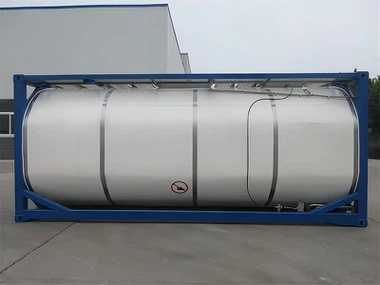


Semi-trailer is a type of trailer that is designed to be towed by a semi-truck or tractor unit. It is often referred to as an articulated trailer, as it is made up of two separate parts - the tractor unit and the trailer itself. The trailer is attached to the tractor unit using a fifth-wheel coupling, which allows for easy detachment and re-attachment when necessary.Semi-trailers are commonly used for transportation of goods and materials such as dry goods, refrigerated goods, heavy machinery, and construction materials. They come in a range of sizes and configurations to suit specific needs and requirements.
Advantages of Semi-Trailer
Increased cargo capacity
Semi-trailers have a larger cargo capacity compared to other vehicles, as they can carry more goods due to their elongated structure. This makes them ideal for transporting large volumes of goods over long distances.
Fuel efficiency
Semi-trailers are more fuel-efficient than other types of trucks because they have fewer axles and less weight to carry. This means that they can travel longer distances on less fuel, reducing carbon emissions.
Safety
Semi-trailers are equipped with safety features such as ABS brakes, stability control, and rearview cameras, making them safer to operate on the road. The drivers of semi-trailers undergo extensive training, ensuring that they are fully equipped to handle the vehicle.
Cost-effective
Semi-trailers are a cost-effective means of transporting goods over long distances. They reduce the need for multiple trips and allow for the transportation of large quantities of goods in one go, thereby reducing transportation costs.


Why Choose Us
Our Products
Newtek is a high-tech company, focusing on the design and manufacture of gas system for oxygen, nitrogen, argon,acetylene, nitrous oxide and carbon dioxide power generation devices/cylinder filling generators.
Rich Experience
As one of the world's leading manufacturers with extensive experience in on-site gas generators and plant systems, around 350 generators/plants have been installed worldwide.
Advanced Equipment
The core product line includes PSA/VPSA oxygen nitrogen plants, cryogenic oxygen/nitrogen/argon plants, acetylene plants, nitrous oxide plants, carbon dioxide plants, oxygen, nitrogen and argon reliquefiers, oil storage tanks and custom plants.
Our Certificate
We are committed to exceeding standards and providing high-quality products and services. Holds multiple certifications including ISO 9001, ISO 13485, ISO 14001 and PED 97/23.
Types of Semi-Trailer
Flatbed semi trailer
Flatbed semi trailer is a type of trailer used for transporting heavy and oversized loads. These trailers have a flat or level deck with no roof or sides, allowing for easy loading and unloading of goods. Flatbed Semi Trailers are commonly used to transport construction materials, machinery, vehicles, and other large and heavy objects. They are attached to a semi-truck and can carry payloads of up to 48,000 pounds or more, depending on the trailer's size and weight capacity.
Refrigerated semi trailer
Refrigerated semi trailer, also known as a reefer trailer, is a temperature-controlled trailer that is commonly used to transport perishable goods such as fresh produce, meat, dairy products, and pharmaceuticals. It is equipped with a refrigeration system that maintains a specific temperature range throughout the trailer to ensure the integrity and safety of the cargo. Refrigerated semi trailers come in various sizes and configurations and are commonly seen in the transportation industry.
Drop deck semi trailer
Drop deck semi-trailer is a type of flatbed truck trailer that has a lower deck height than a traditional flatbed trailer. This allows for taller loads to be transported without exceeding height restrictions on roadways. The deck is dropped between the front and rear axles, and the trailer may also have a raised front section to accommodate the truck's fifth wheel. Drop deck semi-trailers are commonly used to transport heavy equipment, machinery, and oversized loads.
Low bed semi trailer
Low bed semi-trailer is a heavy-duty trailer designed to transport oversized or tall loads that cannot be accommodated by standard trailers. This type of trailer features a lower deck height, usually only a few feet above ground level, which allows it to carry taller cargo with ease. Low bed semi-trailers are commonly used to transport construction and industrial machinery, such as bulldozers, excavators, cranes, and large tanks.
Hauling goods: Semi-trailers are primarily used to transport a variety of goods, such as food, furniture, agricultural products, and machinery. They come in different sizes and types to accommodate various types of cargo and are equipped with features like locking systems and temperature control to ensure the safe delivery of goods.
Construction: Semi-trailers are often used in the construction industry to transport heavy equipment, such as cranes, bulldozers, and excavators. These trailers can handle the weight of these specialized vehicles and are equipped with ramps and other features to make loading and unloading easier.
Waste management
Semi-trailers are commonly used in waste management to transport various types of waste, including hazardous materials, recyclable materials, and regular garbage. These trailers are equipped with specialized containers and compartments to handle different types of waste and prevent any contamination.
Livestock
Semi-trailers are also used in the transportation of livestock, such as cattle, horses, and pigs. These trailers are equipped with specialized ventilation systems and partitions to ensure the safe and comfortable transport of animals.
Oil and gas industry
Semi-trailers are used to transport oil and gas equipment, supplies, and materials to drilling sites and production facilities.

How to Choose Semi-Traile
Purpose: Consider what the trailer will be used for. If it will be transporting heavy goods, a flatbed or lowboy trailer might be a good choice. If it will be carrying temperature-sensitive items, a refrigerated trailer may be necessary. Some trailers are designed specifically for carrying livestock or hazardous materials.
Capacity: Determine the weight and volume of the items the trailer will be carrying. The trailer must have enough capacity to safely transport the goods without exceeding weight limits or overloading the trailer.
Maintenance: Choose a trailer that is easy to maintain and repair. Consider factors such as access to replacement parts, availability of repair services, and warranty options.
Length
Check local regulations regarding the maximum length of a semi-trailer. Some areas have restrictions on the length of semi-trailers and failure to comply can result in fines or other penalties.
Type of axle
Consider the number and type of axles on the trailer. A trailer with more axles can carry more weight but may require additional permits for transportation. Also consider the type of axle, as different types have different capacities and weight limits.
Material
Semi-trailers can be made of a variety of materials, including aluminum, steel, and composite materials. Each material has its own advantages and disadvantages, such as weight, durability, and corrosion resistance.
Security
Consider measures to secure the trailer and its contents during transportation. This can include locks, chains, or GPS tracking devices.
What Is the Service Life of Semi-Trailer
The service life of a semi-trailer depends on several factors, including the quality of the materials used to manufacture the trailer, the maintenance and care provided, and the frequency and nature of the loads carried. Generally, a well-built, properly maintained semi-trailer can last up to 20 years or more. However, if the trailer is subject to heavy loads, frequent use, and harsh road conditions, its lifespan may be shortened. Additionally, factors such as corrosion, wear and tear on components, and accidents or collisions can also impact the service life of a semi-trailer. Regular inspections, repairs, and maintenance can help extend the life of a semi-trailer.
Important Precautions When Using Semi-Trailer
Inspect the trailer regularly
Before using the semi-trailer, it is important to inspect it thoroughly. Check the tires, brakes, lights, and other components to ensure they are in good working condition. Inspect the load and ensure it is secured properly.
Follow weight restrictions
Semi-trailers have weight restrictions for a reason. Overloading the trailer can cause it to become unstable and result in an accident. Ensure that you follow the weight restrictions and do not carry more than the trailer can handle.
Drive carefully
When driving a semi-trailer, it is essential to drive carefully. Keep a safe distance between other vehicles on the road, maintain a moderate speed, and avoid sudden braking or accelerating. Also, be aware of your surroundings and be prepared for any unexpected situations.
Maintain a safe stopping distance
Semi-trailers require more time and distance to stop due to their size and weight. Be sure to maintain a safe stopping distance between your vehicle and the vehicle in front of you.
Use caution when reversing
Reversing a semi-trailer can be challenging. Use caution and have a spotter assist you if necessary. Be sure to check your mirrors regularly and keep a close eye on your surroundings.
Ensure proper loading and unloading procedures
When loading and unloading a semi-trailer, it is important to follow proper procedures to prevent accidents. Ensure that the load is balanced and secured properly using straps, chains, or other tie-downs. Use caution when unloading to prevent the load from shifting or falling.
Material of Semi-Trailer
Steel
Steel is the most commonly used material for semi-trailer construction. It is strong, durable, and can withstand heavy loads. Steel trailers are also resistant to weather conditions, making them ideal for long-distance transportation. However, they are heavy and can increase fuel consumption.
Composite materials
Composite materials such as fiberglass-reinforced plastic and carbon fiber are becoming increasingly popular in semi-trailer construction. These materials offer high strength-to-weight ratios, making them ideal for long-distance transportation.
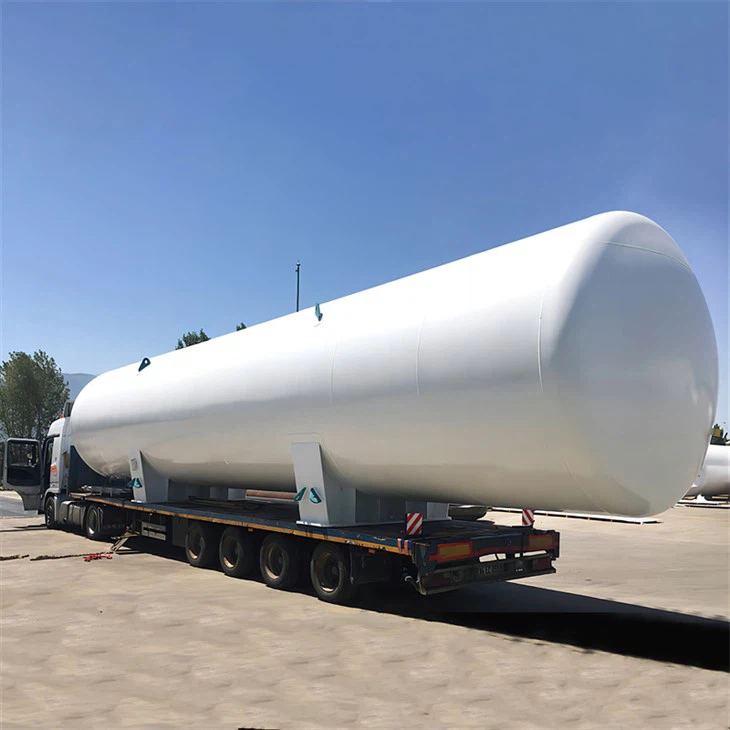
Aluminum
Aluminum is increasingly being used for semi-trailer construction due to its lightweight and durable nature. Aluminum trailers are significantly lighter than steel trailers, making them popular for long-haul applications. They are also less prone to corrosion compared to steel.
Wood
Some semi-trailers are made of wood. Wood trailers are affordable and easy to repair. However, they are not as durable as other materials and require regular maintenance to keep them in good condition.
Components of Semi-Trailer
Trailer body
The trailer body is the main component of the semi-truck and is responsible for carrying the load. It is a rectangular box-like structure made of steel or aluminum and is designed to be durable and sturdy.
Axles
Semi-trailers typically have two or three axles, depending on their size and weight capacity. The axles are responsible for supporting the weight of the trailer and distributing it evenly over the tires.
Suspension
The suspension system of a semi-trailer is responsible for absorbing the shocks and vibrations that occur while driving on uneven roads. It includes a combination of springs, shocks, and airbags.
Wheels and tires
Semi-trailers typically have 18 wheels, with each wheel having its own tire. The wheels and tires are responsible for supporting the weight of the load and providing traction on the road.
Brakes
A semi-trailer has brakes on each of its wheels that are controlled by the driver through a pedal or lever. The brakes help the driver slow down or stop the vehicle when needed.
Coupling system
The coupling system of a semi-trailer is the mechanism that connects the trailer body to the tractor or cab. There are different types of couplings, including fifth wheels, pintles, and drawbar couplings.
Landing gear
The landing gear is a set of retractable legs that support the front of the trailer when it is disconnected from the cab. The landing gear is used to level the trailer and keep it stable when it is parked.
Semi-trailer is a type of trailer that does not have a front axle and instead relies on a tractor unit or semi-truck to haul and transport goods. The front end of a semi-trailer is supported by a fifth wheel hitch which attaches to the semi-truck's frame, and most commonly features two axles located close to the rear of the trailer.In comparison, a full trailer is a type of trailer that requires its own set of wheels for transportation and is not attached to any sort of tractor unit. A full trailer has a front axle for support and is towed by a vehicle equipped with a hitch. It has a variety of axle configurations, but generally has four to six wheels and can have multiple axles for larger loads.Main difference between a semi-trailer and full trailer is that a semi-trailer is designed to be transported by a tractor unit, whereas a full trailer is self-supported and requires its own wheels and brakes. Additionally, semi-trailers are generally larger and can carry heavier loads than full trailers due to their unique design and configuration.

How to Maintain Semi-Trailer
Inspect tires
Your semi-trailer tires are exposed to much wear on the road. Therefore, it is essential to check for tire wear, inflation levels, and tire pressure regularly. Inspect your tires before and after every load to ensure they are in good condition.
Check brakes
Brakes play a vital role in road safety, and it is necessary to keep them well-maintained. Check the brake pads, rotors, and calipers for wear and tear. Lubricate all moving parts of the brakes regularly.
Monitor lights
Semi-trailer lights are essential for visibility and safety on the road. Check your exterior lights, including brake lights, turn signals, and taillights to ensure they are functioning correctly.
Inspect suspension system
Your semi-trailer's suspension system includes springs, shocks, and other parts. Check for wear and tear and replace any worn or damaged parts to prevent further damage.
Keep the trailer clean
Keep your semi-trailer clean, free of debris, and properly lubricated. Clean the trailer's interior and exterior regularly and use high-quality lubricants to prevent rust and ensure smooth operation.
Regular maintenance
Schedule regular maintenance with a professional mechanic to keep your semi-trailer in top condition. Regular maintenance checks ensure any issues with the semi-trailer are addressed on time, prolong its longevity, and prevent costly repairs.
FAQ
Q: What is the meaning of semi-trailer?
Q: What's the difference between semi and trailer?
Q: What is the capacity of a semi-trailer?
Q: Why is it called a semi-trailer?
Q: What class is a semi-trailer?
Q: What is the most common semi-trailer?
Q: Can you live in a semi-trailer?
Q: What is the front of a semi-trailer called?
Q: How does a semi-trailer differ from a regular trailer?
Q: How many axles does typical semi-trailer have?
Q: What kind of cargo is typically transported in a semi-trailer?
Q: How are semi-trailers connected to the tractor?
Q: Can semi-trailers be refrigerated?
Q: What is a flatbed semi-trailer?
Q: How are semi-trailers loaded and unloaded?
Q: What is a dry van semi-trailer?
Q: How do semi-trailers make turns?
Q: How often do semi-trailers require maintenance?
Q: What is a fifth wheel hitch?
Q: What is a tanker semi-trailer?
As one of the most professional semi-trailer manufacturers and suppliers in China, we warmly welcome you to wholesale high purity semi-trailer from our factory. All custom made products are with high quality and competitive price.
short semi trailer, semi pup trailer, Semi-trailer