

 日本語
日本語 한국어
한국어 Français
 Deutsch
 Español
 Italiano
 Português
 Việt Nam
 Türkçe
 عربي
عربي  русский
  简体中文
简体中文 Čeština
 ไทย
ไทย Eesti
Eesti Gaeilgenah Éireann
 Bai Miaowen
 íslenska
 Cymraeg
 Български
 اردو
اردو Polski
 hrvatski
 українська
 bosanski
 فارسی
فارسی Lietuvių
 Latviešu
 עברית
עברית România limbi
 Ελληνικά
 dansk
dansk magyar
 Norsk
Norsk suomi
suomi Nederlands
 Svenska
 slovenčina
 slovenščina
 हिंदी
हिंदी Indonesia
 Melayu
 Malti
Malti Kreyòl Ayisyen
 Català
 বাংলা
বাংলা Srbija jezik (latinica)
 O'zbek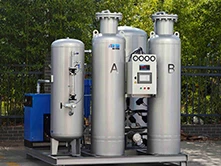
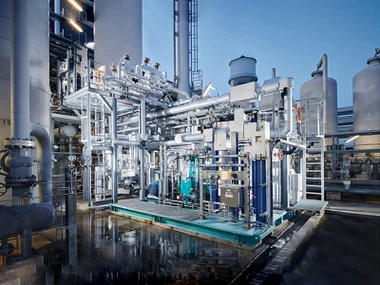
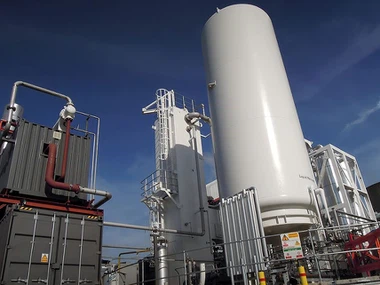


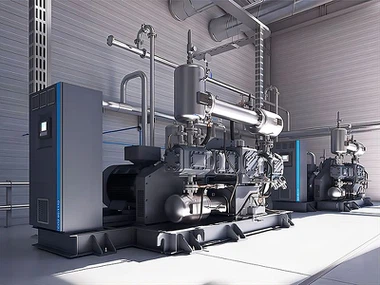
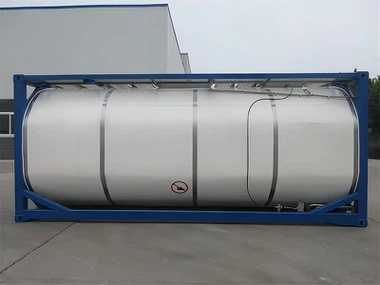


Gas compressor is a mechanical device that compresses gas by reducing its volume, increasing its pressure, and transferring it to a storage tank or pipeline. It is used in a wide range of industries, including oil and gas, chemical processing, power generation, and air separation. Different types of gas compressors are centrifugal compressors, reciprocating compressors, rotary compressors, and screw compressors. The choice of compressor type depends on the specific application, gas type, pressure and flow requirements, and capital and operating costs.
Advantages of Gas Compressor
Increased efficiency
Gas compressors are ideal for boosting natural gas flows in pipelines, thereby improving the efficiency of gas transportation and reducing energy costs.
Consistent performance
Gas compressors are able to maintain a consistent flow rate and pressure over a long period of time, making them ideal for industrial and commercial applications where precise outputs are required.
Greater output
Industrial gas compressors can increase the pressure of a gas stream, making it easier to store and transport large quantities of gas.
Cost-effective
Gas compressors can help reduce operating costs by using compressed gases more efficiently than other methods.


Why Choose Us
Our Products
Newtek is a high-tech company, focusing on the design and manufacture of gas system for oxygen, nitrogen, argon,acetylene, nitrous oxide and carbon dioxide power generation devices/cylinder filling generators.
Rich Experience
As one of the world's leading manufacturers with extensive experience in on-site gas generators and plant systems, around 350 generators/plants have been installed worldwide.
Advanced Equipment
The core product line includes PSA/VPSA oxygen nitrogen plants, cryogenic oxygen/nitrogen/argon plants, acetylene plants, nitrous oxide plants, carbon dioxide plants, oxygen, nitrogen and argon reliquefiers, oil storage tanks and custom plants.
Our Certificate
We are committed to exceeding standards and providing high-quality products and services. Holds multiple certifications including ISO 9001, ISO 13485, ISO 14001 and PED 97/23.
Types of Gas Compressor
Oxygen compressor
Oxygen compressor is a device that compresses oxygen to a high pressure for use in various applications such as medical, industrial, and aerospace. It is used to increase the pressure of the gas to meet the required flow rate and supply high-purity oxygen for diverse needs. An oxygen compressor typically involves a compressor unit, a cooling system, and a filtration system to ensure the oxygen is free of contaminants and safe for use. Compressed oxygen is essential for industrial applications such as metal cutting and welding, medical applications such as oxygen therapy, and aerospace applications such as rocket propulsion and life support systems.
Nitrogen compressor
Nitrogen compressor is a machine that compresses nitrogen gas to a higher pressure and stores it in a storage tank, cylinder or vessel for use in various applications. Nitrogen compressors are used in a range of industries, including chemical manufacturing, electronics, food and beverage, oil and gas, and pharmaceuticals. These compressors are usually oil-free to ensure that the nitrogen gas remains pure. They can operate at high pressure, with some models having the ability to compress nitrogen gas up to 10,000 psi.
Co2 compressor
Co2 compressor is a machine designed to compress carbon dioxide gas for use in various industrial applications. These compressors typically consist of a motorized pump, a compression chamber, and a pressure regulator. They can be used in a range of industries, including food and beverage production, chemical processing, and refrigeration. Carbon dioxide compressors are used to pressurize CO2 for use as a refrigerant, to fill tanks for welding and laser cutting, and in carbon capture and storage operations.
Gas air compressor
Gas air compressor is a type of air compressor that uses natural gas or propane as a fuel source to power the compressor. These compressors are typically used in applications where electrical power is not available or reliable. The gas-powered engine drives the compressor, which compresses the air and stores it in a tank for later use. Gas air compressors come in a variety of sizes and configurations, ranging from small portable units to larger commercial or industrial models. They are often used in construction, agriculture, and other industries where compressed air is necessary for powering tools or equipment.
Application of Gas Compressor
Oil and gas industry
Gas compressors are used extensively in the oil and gas industry for enhancing production from gas wells, gas lift systems, and pipeline transportation. Compressed gas is injected into the well to increase pressure, and the gas compressor pumps gas from underground reservoirs to the surface.
Refrigeration and air conditioning
Compressed gas is critical in refrigeration and air conditioning systems. A compressor puts the gas under high pressure, which increases its temperature. The hot gas is then cooled, causing it to condense back into its liquid form. This process allows the system to transfer heat and reduce the temperature in a space.
Food processing
Compressed gases such as nitrogen and carbon dioxide are used in food processing industries to store and transport food in a controlled environment without spoilage. Compression also helps to maintain the safety and freshness of food products.
Medical equipment
Medical gas compressors are used for a wide range of purposes, such as ventilators, anesthesia machines, and oxygen concentrators, providing a reliable and constant supply of compressed medical gases.
Power generation
Gas turbines used in power generation require compressed air for combustion. The air compressor provides high-pressure air to the combustion chamber to create the necessary conditions for power generation.
Chemical and petrochemical industries
Gas compressors are critical for the manufacturing of chemicals and petrochemicals. Compressed gases like hydrogen and nitrogen are used in the production of fertilizers, plastics, and other petrochemical products.
Gas compressors are used to increase the pressure of a gas by reducing its volume. They are used in many industries including oil and gas, chemical, and manufacturing. There are several types of gas compressors available including reciprocating, rotary screw, and centrifugal compressors.Reciprocating compressors work by using a piston that moves back and forth in a cylinder. As the piston moves forward, it compresses the gas in front of it, while the gas behind it is pushed out. As the piston moves back, it creates a vacuum, which draws more gas into the cylinder. This process is repeated over and over again, which increases the pressure of the gas.Rotary screw compressors use two meshing rotors that rotate in opposite directions. As the rotors turn, the gas is drawn into the space between them. The rotors then compress the gas and push it out the other end. This process is continuous and can produce high volumes of compressed gas.Centrifugal compressors use a spinning impeller to create a high-velocity stream of gas. The gas is then directed into a diffuser which slows it down and increases its pressure. The compressed gas is then discharged out of the compressor. Centrifugal compressors are commonly used in large industrial applications.

What Safety Issues Should We Pay Attention to When Using Gas Compressors
Ventilation
Gas compressors should be used in well-ventilated areas. This is because gases produced during compression can be harmful if they accumulate in an enclosed space. Proper ventilation helps to ensure that these gases are adequately dissipated.
01
Fire safety
Gas compressors can be a fire hazard if not used and maintained properly. It is essential to take measures to reduce the risk of fire, such as ensuring that there are no open flames or other ignition sources nearby.
02
Electrical safety
Compressors are typically powered by electricity, so it is vital to follow proper electrical safety procedures when using them. This includes ensuring that the power source is properly grounded and that all electrical components are in good working order.
03
Annunciation systems
Many gas compressors come equipped with alarms and annunciation systems that alert users to potential safety hazards. It is important to pay attention to these alarms and take appropriate action if necessary.
04
Regular maintenance
Proper maintenance of gas compressors is essential to ensure continued safe operation. This includes regular inspections, cleaning, and lubrication of all components, as well as replacing any worn or damaged parts.
05
Power consumption: The power consumption of the compressor can be measured using an electric meter. This reading provides an indication of the amount of input energy required to produce the desired compression output.
Flow rate: By measuring the gas flow rate, it is possible to determine the compressor's actual output in comparison to its rated capacity. The flow rate can be measured using flow meters and pressure gauges.
Discharge pressure
The discharge pressure of the compressor indicates the pressure of compressed gas delivered to downstream applications. Monitoring the discharge pressure over time can provide insight into the compressor's efficiency and help detect problems such as leaks or reduced system capacity.
Operating temperature
As the compressor operates, it generates heat, and monitoring the operating temperature is a key indicator of its efficiency. High temperatures indicate that the compressor is working harder and consuming more energy.
Vibration analysis
Vibration analysis is a non-invasive technique that can be used to detect problems in rotating equipment. Measuring the vibration levels of the compressor can help identify issues such as unbalanced rotors, misaligned shafts, or worn bearings, which can all reduce the efficiency of the compressor.
Components of Gas Compressor
Compressor cylinder: This is the main part of the compressor where the gas is compressed. It is a cylindrical chamber, usually made of cast iron or steel. The cylinder is equipped with inlet and outlet valves that control the flow of gas into and out of the cylinder.
Piston
The piston is a cylindrical component that moves back and forth inside the compressor cylinder. It is connected to a crankshaft, which converts the reciprocating motion of the piston into rotational motion. The piston is usually made of cast iron or aluminum and is fitted with piston rings that provide a seal between the piston and cylinder walls.
Crankshaft
The crankshaft is a steel shaft that is connected to the piston. It converts the reciprocating motion of the piston into rotational motion, which drives the compressor.
Connecting rod
The connecting rod is a component that connects the piston to the crankshaft. It transfers the motion of the piston to the crankshaft.
Inlet and outlet valves
These are one-way valves that control the flow of gas into and out of the compressor cylinder. The inlet valve allows gas to enter the cylinder during the suction stroke, and the outlet valve allows gas to leave the cylinder during the compression stroke.
Motor
The motor provides the power to drive the compressor. It can be an electric motor, diesel engine, or gas turbine, depending on the application.
Intercooler
The intercooler is a heat exchanger that cools the compressed gas, reducing its volume and increasing its density. It is located between the compressor stages and helps to improve the compressor's efficiency.
Oil system
The oil system provides lubrication to the compressor components, reducing friction and wear. It also helps to cool the compressor and remove heat generated during the compression process.
Control system
The control system monitors and controls the compressor's operations, ensuring that it operates within its design parameters. It includes sensors, controllers, and safety devices that protect the compressor from damage and shutdown the compressor in case of a malfunction.

How to Choose Gas Compressor
Define your application
Determine the purpose for which you need a gas compressor. Different applications have different requirements, such as flow rate, pressure, and temperature. Make a list of these specifications before you begin searching for a compressor.
Identify the gas to be compressed
The type of gas being compressed is an important factor to consider. Different gases have different properties, such as compressibility, purity, corrosivity, and flammability. The compressor should be compatible with the gas you plan to compress.
Consider the compression ratio
The compression ratio is the ratio of the discharge pressure to the suction pressure. It determines the amount of work required to compress the gas and affects the efficiency and capacity of the compressor. The compression ratio should be suitable for the application.
Choose the type of compressor
There are several types of gas compressors, such as reciprocating, rotary screw, centrifugal, and axial. Each type has its own advantages and disadvantages, such as efficiency, capacity, cost, and maintenance. Consider the trade-offs when choosing a compressor.
Evaluate the operating conditions
The operating conditions of the compressor, such as ambient temperature, altitude, humidity, and power supply, should be taken into account. These conditions can affect the performance and reliability of the compressor. Choose a compressor that can operate under the expected conditions.
Determine the capacity and size
The capacity of the compressor is the amount of gas it can compress per unit of time. The size of the compressor is determined by its physical dimensions and weight. Choose a compressor that matches the required capacity and fits the available space.
Compare the cost and quality
The cost of a gas compressor depends on many factors, such as brand, type, capacity, and features. The quality of a compressor is determined by its durability, reliability, and performance. Consider the cost and quality of different compressors before making a purchase.
How to Maintain Gas Compressor
Regular inspections
Perform regular inspections of your gas compressor to check for any leaks, damaged components, or excessive wear and tear. This should be completed according to the manufacturer’s recommended schedule.
Lubrication
Gas compressors require proper lubrication to reduce friction and wear on moving components. Ensure the compressor is properly lubricated on a regular basis using the recommended lubricant.
Air filter maintenance
Air filters prevent dust, dirt, and other contaminants from entering the gas compressor. Replace or clean air filters as recommended by the manufacturer, and ensure there are no clogs or blockages.
Coolant system maintenance
The coolant system helps regulate the temperature of the gas compressor. Regularly check the coolant levels and flush the coolant system when recommended by the manufacturer.
Proper storage
When not in use, store the gas compressor in a dry and clean area to prevent rust and corrosion. If storing for an extended period, drain any remaining gas and oil from the compressor and properly seal it to prevent moisture buildup.
FAQ
Q: What does a gas compressor do?
Q: What is the difference between a gas compressor and an air compressor?
Q: What is the meaning of gas compression?
Q: Is a gas air compressor better than electric?
Q: How does compressed gas work?
Q: What is the purpose of gas compressor?
Q: What are the common applications of gas compressors?
Q: What are the advantages of using gas compressor in industrial processes?
Q: What is the difference between positive displacement and dynamic gas compressors?
Q: What are the main components of gas compressor?
Q: How important are maintenance and servicing in gas compressors?
Q: How can gas compressors be operated safely?
Q: What is compressor surge?
Q: How can compressor surge be prevented?
Q: What is the significance of compressor efficiency?
Q: How is the performance of gas compressors measured?
Q: What is the function of the motor in a gas compressor?
Q: What factors should be considered when selecting a gas compressor?
Q: What are the safety measures that should be taken when using gas compressors?
Q: What are the causes and effects of compressor surge?
As one of the most professional gas compressor manufacturers and suppliers in China, we warmly welcome you to wholesale high purity gas compressor from our factory. All custom made products are with high quality and competitive price.