

 日本語
日本語 한국어
한국어 Français
 Deutsch
 Español
 Italiano
 Português
 Việt Nam
 Türkçe
 عربي
عربي  русский
  简体中文
简体中文 Čeština
 ไทย
ไทย Eesti
Eesti Gaeilgenah Éireann
 Bai Miaowen
 íslenska
 Cymraeg
 Български
 اردو
اردو Polski
 hrvatski
 українська
 bosanski
 فارسی
فارسی Lietuvių
 Latviešu
 עברית
עברית România limbi
 Ελληνικά
 dansk
dansk magyar
 Norsk
Norsk suomi
suomi Nederlands
 Svenska
 slovenčina
 slovenščina
 हिंदी
हिंदी Indonesia
 Melayu
 Malti
Malti Kreyòl Ayisyen
 Català
 বাংলা
বাংলা Srbija jezik (latinica)
 O'zbek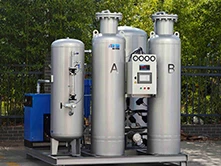
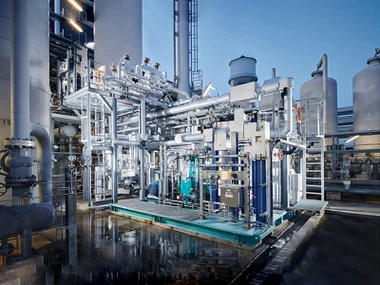
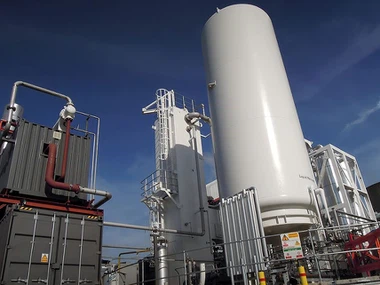


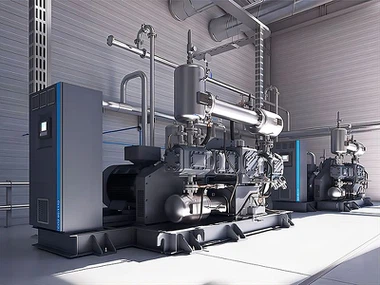
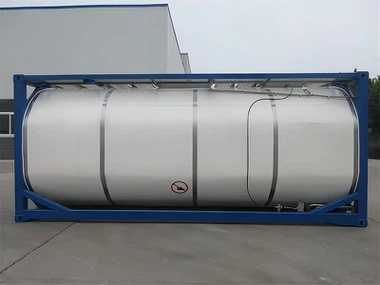


PSA Oxygen Plants For Biopharmaceutical
Description
Technical Parameters
High purity requirements: In the biopharmaceutical process, especially in cell culture and fermentation, high-purity oxygen is required to promote cell growth and metabolism. High-purity oxygen helps improve production efficiency and product consistency.
No pollutants: Oxygen cannot contain impurities that are harmful to the biopharmaceutical process, such as nitrogen, carbon dioxide, water vapor and other possible contaminants. These impurities may affect the environment in which cells grow, and even cause cell death or product quality degradation.
Stability: The purity and supply of oxygen must remain stable. Any fluctuations may cause parameter changes in the biopharmaceutical process, affecting the quality and safety of the final product.
Sterility requirements: In some biopharmaceutical processes, such as the production of sterile drugs, oxygen needs to reach a sterile level to prevent microbial contamination.
Compliance with regulatory standards: The purity and quality of oxygen used in biopharmaceuticals must comply with relevant pharmaceutical production quality management specifications (GMP) and other regulatory requirements.
The purity of oxygen used in biopharmaceuticals is required to be above 90%, and sometimes even above 99%. High-purity oxygen helps improve the efficacy and safety of drugs and is an integral part of biopharmaceutical processes.

What is the operating process of PSA oxygen generator?
Adsorption stage: Under pressurized conditions, air passes through an adsorption tower equipped with molecular sieves. Molecular sieves have a higher adsorption capacity for impurities such as nitrogen, carbon dioxide and water, while oxygen passes through the adsorption tower to achieve the initial separation of air.
Equalizing pressure stage: When the adsorption capacity of the molecular sieve in the adsorption tower reaches saturation, the adsorption tower enters the equalizing pressure stage. This stage prepares for the next stage by reducing the pressure in the tower while maintaining the output of oxygen.
Desorption stage (countercurrent purge): After the pressure of the adsorption tower is reduced, part of the product oxygen is used as a purge gas and flows through the adsorption tower in the reverse direction. This process helps the molecular sieve release the adsorbed nitrogen and other impurities to achieve the regeneration of the molecular sieve.
Equalizing pressure drop stage: After the desorption stage, the adsorption tower is further depressurized to prepare for the next adsorption cycle.
Regeneration stage: Through the above steps, the molecular sieve is regenerated and ready to re-enter the adsorption stage.

PSA oxygen production equipment for biopharmaceuticals
PSA ( Pressure Swing Adsorption) Technology a revolution in Non Cryogenic Air Separation and Oxygen Generation Technology uses special grade of ZMS ( Zeolite Molecular Sieve).


How to ensure efficient operation of PSA oxygen generators?
Ensuring efficient operation of PSA (pressure swing adsorption) oxygen generators requires comprehensive consideration of equipment design, operation, maintenance and monitoring. Here are some key measures:
Reasonable design:
Select equipment models and specifications that are suitable for application requirements.
Use high-quality molecular sieves and other key components to ensure equipment stability and life.
Correct operation:
Strictly follow operating procedures to ensure that the equipment operates within the designed parameters.
Regularly train operators to improve their understanding of the equipment and operating skills.
Regular maintenance:
Regularly conduct comprehensive inspections and maintenance of the equipment, including replacing worn parts, cleaning filters and checking electrical connections.
Regularly regenerate molecular sieves to maintain their adsorption performance.
Performance monitoring:
Real-time monitoring of equipment operating parameters such as pressure, temperature, flow and oxygen purity.
Regularly analyze equipment performance data to identify and solve potential problems in a timely manner.
Optimized control:
Use advanced control systems (such as PLC or DCS) to optimize equipment operation.
Adjust operating parameters according to production needs to achieve optimal performance.
Environmental control:
Ensure the cleanliness of the equipment operating environment to avoid dust and other pollutants that affect equipment performance.
Maintain appropriate temperature and humidity to reduce adverse effects on the equipment.
Safety measures:
Implement strict safety procedures to prevent accidents.
Perform regular safety inspections to ensure that the equipment meets safety standards.
Fault management:
Establish a fault response mechanism to quickly diagnose and resolve equipment failures.
Record and analyze fault data to prevent future problems.
Through the above measures, the efficient operation of PSA oxygen generation equipment can be ensured, downtime can be reduced, and the output and quality of oxygen can be improved, thereby meeting the strict requirements of industries such as biopharmaceuticals.
Hot Tags: psa oxygen plants for biopharmaceutical, China psa oxygen plants for biopharmaceutical , suppliers, factory, Industrial Oxygen Generator Machine, Industrial Oxygen Generator, Industrial Oxygen Concentrator
Send Inquiry
Get in Touch
Write Your Message


