

 日本語
日本語 한국어
한국어 Français
 Deutsch
 Español
 Italiano
 Português
 Việt Nam
 Türkçe
 عربي
عربي  русский
  简体中文
简体中文 Čeština
 ไทย
ไทย Eesti
Eesti Gaeilgenah Éireann
 Bai Miaowen
 íslenska
 Cymraeg
 Български
 اردو
اردو Polski
 hrvatski
 українська
 bosanski
 فارسی
فارسی Lietuvių
 Latviešu
 עברית
עברית România limbi
 Ελληνικά
 dansk
dansk magyar
 Norsk
Norsk suomi
suomi Nederlands
 Svenska
 slovenčina
 slovenščina
 हिंदी
हिंदी Indonesia
 Melayu
 Malti
Malti Kreyòl Ayisyen
 Català
 বাংলা
বাংলা Srbija jezik (latinica)
 O'zbek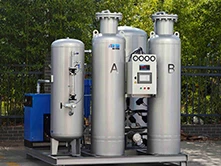


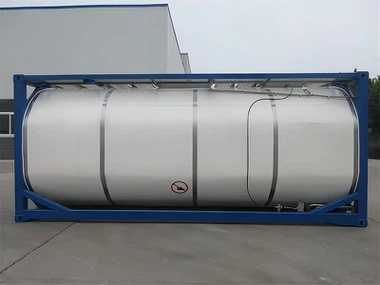


Psa in Oxygen Plant
Description
Technical Parameters
How it works
psa in oxygen plant operates based on pressure swing adsorption technology. Its core component is an adsorption tower filled with adsorbents such as zeolite molecular sieves. Feed air is pressurized by a compressor and then enters the adsorption tower. Under pressure, the molecular sieves, due to their unique properties, exhibit varying adsorption capacities for different gases in the air. Impurities such as nitrogen, carbon dioxide, and water are preferentially adsorbed by the molecular sieves, while oxygen, the unadsorbed component, exits the tower as product gas. When the molecular sieves within the adsorption tower reach saturation with impurities, the system switches to a process where the pressure is reduced (either through atmospheric pressure desorption or vacuum desorption) to release the adsorbed impurities, restore their adsorption capacity, and regenerate them for the next adsorption cycle. Multiple adsorption towers operate alternately to ensure continuous and stable oxygen production.


Key points of technical parameters
●Oxygen Purity: Standard equipment boasts a purity of 90%-95%, meeting most industrial and some medical needs (e.g., 93% ± 3% meets medical oxygen standards and is suitable for general hospital wards and outpatient clinics). High-end customized equipment can achieve purity levels exceeding 99%, suitable for demanding applications such as electronic chip oxidation processes and advanced medical research.
●Gas Production: Small equipment can produce several cubic meters per hour, suitable for small clinics and laboratories; large industrial equipment can reach thousands of cubic meters per hour (e.g., 5,000 cubic meters per hour in a steel plant), meeting the large-scale oxygen needs of steelmaking, large-scale chemical processing, and other industries.
●Operating Pressure: Conventionally, 0.4-0.8 MPa is used to balance adsorption efficiency, energy consumption, and safety. For special environments such as plateaus, pressure adjustment and air compression system optimization are required to ensure stable and qualified oxygen production.
psa in oxygen plant application
Air Compression System
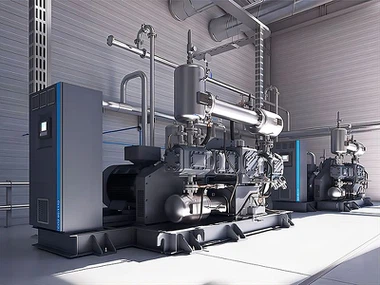
Consists of an air compressor and supporting equipment, it compresses air to the required pressure to power adsorption separation.
Air Purification System
Includes filters and dryers to remove oil, water, and dust from the compressed air to prevent contamination of the molecular sieve.
Adsorption Tower System
The core of the equipment, filled with molecular sieves, is commonly a twin-tower or multi-tower design. It achieves continuous oxygen production through alternating adsorption and regeneration, with switching times ranging from tens of seconds to several minutes, depending on gas production and process requirements.
Control System
Utilizing a PLC/DCS, it monitors oxygen purity, pressure, and other parameters in real time, automatically adjusting adsorption time and valve switching, achieving automated operation, reducing labor costs, and improving stability.
fAQ
How does a PSA oxygen generator achieve continuous oxygen production? How does a dual adsorption tower system work?
Continuous oxygen production is achieved by alternating "adsorption-regeneration" cycles across multiple adsorption towers. For example, one tower operates at high pressure, allowing the molecular sieve to adsorb nitrogen and other impurities, producing oxygen. The other tower simultaneously reduces pressure, allowing the molecular sieve to release the adsorbed impurities and regenerate. After tens to several minutes, the two towers switch processes, repeating this cycle to ensure continuous oxygen supply.
I want to equip a general hospital ward with PSA oxygen generators. What purity level is appropriate? Will it meet the needs?
A standard unit with a purity of 93% ± 3% is sufficient. This purity meets medical oxygen standards and can meet basic medical needs such as oxygen inhalation in general hospital wards and outpatient clinics. For high-end medical applications such as hyperbaric oxygen chambers, customized units with a purity exceeding 99% can be used.
If the oxygen purity of the equipment decreases after a few years of use, is there likely a problem? What should be done?
The core molecular sieve is likely deteriorating or contaminated. First, check the feed air for oil, water, and dust (which may contaminate the molecular sieve). Then, confirm whether the molecular sieve has exceeded its 5-8-year lifespan. If it has exceeded its lifespan or its performance has significantly degraded, replace the molecular sieve promptly and strengthen air purification system maintenance (such as regularly replacing filter cartridges).
Does PSA oxygen generator equipment require special adjustments when used in plateau areas? What are the main adjustments?
Special adjustments are required. Due to the low atmospheric pressure in plateau areas, the air compression system needs to be optimized and the equipment's operating pressure needs to be increased (typically 0.4-0.8 MPa, but adjustments are required for plateau conditions). This ensures that the molecular sieve can effectively adsorb impurities such as nitrogen, ensuring stable operation and producing quality oxygen.
Hot Tags: psa in oxygen plant, China psa in oxygen plant , suppliers, factory, Psa Oxygen Plant
Previous
Psa PlantNext
Oxygen Psa PlantSend Inquiry
Get in Touch
Write Your Message


