

 日本語
日本語 한국어
한국어 Français
 Deutsch
 Español
 Italiano
 Português
 Việt Nam
 Türkçe
 عربي
عربي  русский
  简体中文
简体中文 Čeština
 ไทย
ไทย Eesti
Eesti Gaeilgenah Éireann
 Bai Miaowen
 íslenska
 Cymraeg
 Български
 اردو
اردو Polski
 hrvatski
 українська
 bosanski
 فارسی
فارسی Lietuvių
 Latviešu
 עברית
עברית România limbi
 Ελληνικά
 dansk
dansk magyar
 Norsk
Norsk suomi
suomi Nederlands
 Svenska
 slovenčina
 slovenščina
 हिंदी
हिंदी Indonesia
 Melayu
 Malti
Malti Kreyòl Ayisyen
 Català
 বাংলা
বাংলা Srbija jezik (latinica)
 O'zbek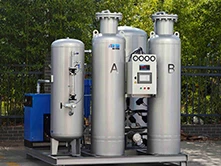
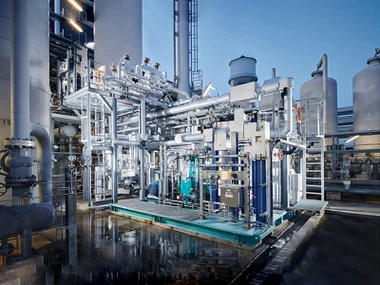
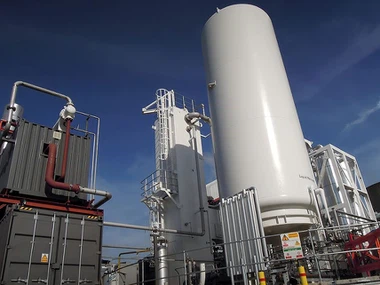


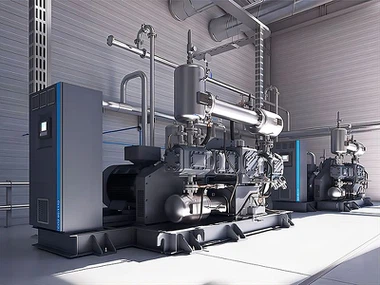
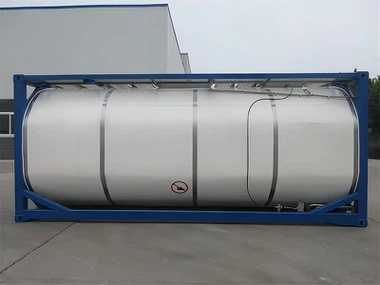


Oxygen Psa Plant
Description
Technical Parameters
oxygen psa plant
●Flexible start/stop: No cryogenic liquefaction required, producing qualified oxygen within 30 minutes. Intermittent operation is supported, allowing for on-demand adjustment of purity (93% ± 3% to 99.5%) and output, ensuring rapid emergency response.
●Economical and energy-efficient: Unit energy consumption is 0.3-1.0 kWh/Nm³ (lower than cryogenic methods). The modular design requires a small footprint (a 10 m³/h unit requires only 5-10 m²), resulting in low initial investment. The molecular sieve has a lifespan of 5-8 years, keeping O&M costs manageable.
●Easy to operate: The PLC/DCS system automatically switches between adsorption and regeneration, monitors parameters, and supports partial remote operation. Routine maintenance requires only regular valve inspection and filter replacement, eliminating the need for extensive manual labor.
●Safe and stable: Low operating pressure (4-7 bar), with purity/pressure alarms and automatic switching protection. An air purification unit prevents contamination, ensuring oxygen production meets medical/industrial standards.

What factors affect the oxygen production efficiency of a PSA oxygen generator?
●Feed air conditions: The humidity, oil content, and dust content of the feed air directly affect the molecular sieve's adsorption efficiency. Excessive humidity can easily lead to the molecular sieve becoming ineffective due to moisture, and oil and dust can clog the molecular sieve's pores, reducing its nitrogen adsorption capacity. Fluctuations in the inlet pressure (which must be stable at 4-7 bar) and temperature (excessive temperatures can weaken the molecular sieve's adsorption performance) can also reduce oxygen production efficiency.
●Molecular sieve performance and condition: The molecular sieve is the core adsorption material. Its type (for example, lithium-based molecular sieves have better adsorption capacity than sodium-based ones), pore size, structure, and packing density affect its nitrogen adsorption capacity. If the molecular sieve is used beyond its service life (typically 5-8 years), becomes damp and clumped, or becomes ineffective due to impurity contamination, it will directly reduce the efficiency of the adsorption-regeneration cycle, thereby reducing oxygen output.
●Adsorption-Regeneration Process Parameters: Excessively long adsorption times can easily lead to molecular sieve saturation and nitrogen breakthrough (mixing into the produced oxygen), while too short adsorption times waste adsorption capacity. Insufficient regeneration pressure and vacuum, or slow pressure relief, can prevent complete impurity desorption, affecting the efficiency of the next adsorption cycle and ultimately reducing overall oxygen production efficiency.
●Core Equipment Component Condition: Poor sealing of the switching valve (which controls the switching of the adsorption towers) can lead to air leaks and pressure loss. Unstable air compressor output pressure and clogged purification units (oil/water/dust removal filters) can affect the quality and stability of the feed air supply. Deviations in PLC control system parameters can also lead to process cycle incoordination and reduce oxygen production efficiency.
oxygen psa plant application
Healthcare
It can produce 93%-99.5% pure medical oxygen and connect to a hospital's central oxygen supply system, providing a stable oxygen source for operating rooms and ICUs. Smaller units are also suitable for grassroots and emergency settings, such as clinics and ambulances.
Industrial Manufacturing
It provides 80%-93% pure enriched oxygen for blast furnaces and converters in the steel and metallurgical industry, reducing costs. It also supplies high-purity oxygen for chemical ammonia synthesis and petrochemical catalysis, replacing traditional high-cost oxygen production solutions.
Environmental Protection
It injects high-purity oxygen into wastewater treatment aeration tanks, significantly increasing dissolved oxygen concentration and aeration efficiency, helping to meet wastewater discharge standards. It is also suitable for high-humidity and complex environments.
Special Applications
It can be used to oxygenate aquaculture water to promote the growth of aquatic life. It can also provide emergency oxygen supply for high-altitude outposts, military forces, and fire and emergency medical services, meeting oxygen needs in special environments.
fAQ
Does the oxygen purity produced by the equipment meet our needs? What are the appropriate applications for different purity levels?
Conventional equipment can stably produce 93% ± 3% pure oxygen, suitable for medical applications (meeting medical oxygen standards) and industrial oxygen enrichment (such as steel metallurgy and glass combustion support). By customizing the molecular screening model and process parameters, purity can be increased to 99.5%, meeting higher-demand applications such as high-precision chemical reactions and hyperbaric oxygen chambers. When purchasing, the purity specification can be determined based on actual oxygen usage standards (such as the Chinese Pharmacopoeia for medical use and GB/T 3863 for industrial use).
Is PSA oxygen concentrator more cost-effective for long-term use than liquid oxygen?
Usually, it is more cost-effective. Liquid oxygen carries ongoing procurement costs (including transportation and storage) and is significantly affected by market price fluctuations. While PSA equipment requires an initial investment, subsequent costs are limited to electricity and minimal maintenance (unit energy consumption is 0.3-1.0 kWh/Nm³). The core molecular sieve has a lifespan of 5-8 years. For an oxygen production capacity of 10 m³/h, for example, most customers achieve a payback period of 2-3 years, resulting in long-term operating costs 30%-50% lower than liquid oxygen.
Is daily maintenance of the equipment difficult? Which parts require regular replacement?
Maintenance is simple and requires minimal manual intervention. Daily maintenance requires only weekly checks of the filter pressure differential (replace filter elements as needed, at low cost) and monthly inspections of valve seals. The core molecular sieve, a consumable, should be replaced every 5-8 years, a process that takes only 1-2 days (manufacturers typically provide on-site service). The PLC control system supports automatic monitoring and generates alarms when an anomaly occurs, reducing the burden of manual inspections.
Can continuous oxygen supply be guaranteed in the event of a sudden power outage or equipment failure?
This can be guaranteed through supporting solutions. Small and medium-sized equipment can be connected to an external backup generator to restore oxygen supply within 10 minutes after a power outage. For critical medical and industrial scenarios, oxygen buffer tanks (designed to provide 1-2 hours of oxygen usage) can be added. The equipment also features built-in fault self-diagnosis. If problems such as valve leaks or purity abnormalities occur, it automatically switches to a backup adsorption tower or triggers an alarm to prevent oxygen supply interruptions.
Hot Tags: oxygen psa plant, China oxygen psa plant , suppliers, factory, Psa Oxygen Plant
Previous
Psa in Oxygen PlantSend Inquiry
Get in Touch
Write Your Message


