

 日本語
日本語 한국어
한국어 Français
 Deutsch
 Español
 Italiano
 Português
 Việt Nam
 Türkçe
 عربي
عربي  русский
  简体中文
简体中文 Čeština
 ไทย
ไทย Eesti
Eesti Gaeilgenah Éireann
 Bai Miaowen
 íslenska
 Cymraeg
 Български
 اردو
اردو Polski
 hrvatski
 українська
 bosanski
 فارسی
فارسی Lietuvių
 Latviešu
 עברית
עברית România limbi
 Ελληνικά
 dansk
dansk magyar
 Norsk
Norsk suomi
suomi Nederlands
 Svenska
 slovenčina
 slovenščina
 हिंदी
हिंदी Indonesia
 Melayu
 Malti
Malti Kreyòl Ayisyen
 Català
 বাংলা
বাংলা Srbija jezik (latinica)
 O'zbek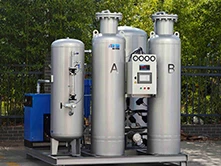


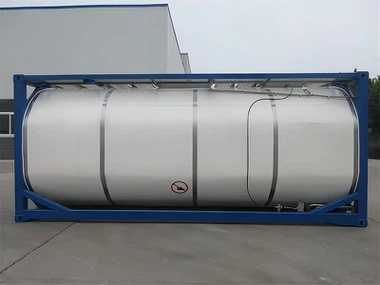


Pressure Swing Adsorption Plant
Description
Technical Parameters
High-Purity Oxygen Generator Compliance and Value
Our high-purity oxygen generators produce oxygen that strictly complies with the standards of the United States Pharmacopoeia (USP), British Pharmacopoeia (BP), and Indian Pharmacopoeia (IP). They are ideal for healthcare facilities. Hospitals can install the equipment on-site, enabling them to produce their own medical oxygen, eliminating their reliance on bottled oxygen and the risk of shipping delays or supply interruptions. Whether meeting the continuous gas needs of industrial production or ensuring emergency oxygen supply in healthcare facilities, our oxygen generators leverage cutting-edge manufacturing technology to provide a 24-hour, uninterrupted supply of high-purity oxygen.

Pressure Swing Adsorption Plant Working Principle

The PSA oxygen concentrator utilizes advanced pressure swing adsorption technology, utilizing the 20%-21% oxygen content in the atmosphere to separate oxygen through the selective adsorption properties of zeolite molecular sieves. The device houses two adsorption vessels filled with molecular sieves and activated alumina. Compressed air enters one of the vessels at a temperature of approximately 30°C. Oxygen is separated and output as product gas, while impurities such as nitrogen are adsorbed by the molecular sieve and discharged to the atmosphere through an exhaust pipe.
When the molecular sieve in one adsorption vessel reaches saturation, the system automatically switches to the other vessel to continue oxygen production. Simultaneously, the saturated vessel is purged to atmospheric pressure, releasing adsorbed nitrogen and other impurities, completing the molecular sieve regeneration process. The two vessels alternately cycle through the "oxygen production-regeneration" process, ensuring a continuous and stable oxygen supply throughout the entire process without interruption.
pressure swing adsorption plant advantage
Fully Automated Operation
The system utilizes a fully automated design, requiring no human intervention and enabling unmanned, continuous operation, significantly reducing labor costs and operational errors.
01
Compact and Modular
The unit features a compact structure, occupying only one-third the floor space of traditional oxygen generators. It utilizes prefabricated, sliding rail assembly and is delivered complete after factory commissioning, making on-site installation convenient and efficient.
02
Extremely Fast Startup Response
Rapid startup, producing oxygen of specified purity in just 5 minutes, enabling rapid response to sudden oxygen demands and reducing waiting times.
03
Stable Gas Supply
A dual-adsorption tower design with alternating operation ensures continuous and stable oxygen output with minimal fluctuations in purity and pressure, meeting the needs of high-precision oxygen applications.
04
Long-Lasting Durability
High-quality models for core molecular screening offer a service life of up to 10 years, reducing the frequency of consumable replacement and maintenance costs.
05
PSA Oxygen Generator Plant Application
Our PSA oxygen generators are widely used in various industries, including:
●Paper and Pulp Industry: Used in pulp oxygen bleaching and delignification processes, improving bleaching efficiency, reducing chemical use, and reducing wastewater pollution.
●Glass Manufacturing Industry: Provides oxygen enrichment for glass kilns, raising furnace temperatures and combustion efficiency, improving the quality of finished glass products, and reducing energy consumption.
●Metallurgy Industry: Used for furnace oxygen enrichment and combustion support, increasing smelting temperatures, accelerating reactions, and enhancing metal smelting purity and production efficiency.
●Chemical Industry: Supports oxidation reactions and incinerator combustion support, providing a stable oxygen environment for chemical reactions, ensuring reaction efficiency and safety.
●Water Treatment Industry: Used in oxidative decomposition processes in water and wastewater treatment, accelerating pollutant degradation and improving water treatment results.
●Metal Processing Industry: Suitable for metal gas welding, cutting, and brazing operations, providing high-purity oxygen, increasing flame temperatures, and improving processing precision and speed.
●Aquaculture: Oxygenating fish farming water increases dissolved oxygen levels, improves the aquaculture environment, and increases aquatic survival rates.
fAQ
1.What are the significant advantages of pressure swing adsorption (PSA) over other gas separation technologies?
Compared to cryogenic separation technology, PSA does not require a low-temperature environment, offers a simpler structure, a smaller footprint, and faster startup (cryogenic startup takes 18-24 hours, while PSA typically starts within half an hour). It also consumes less energy and significantly reduces operating costs. Compared to membrane separation technology, PSA has relatively lower requirements for feed gas cleanliness, offers greater flexibility in gas purity adjustment, and can produce higher-purity gas (for example, nitrogen purity can reach 99.999%). Furthermore, the adsorbent has a long lifespan and lower maintenance costs, whereas membrane separation suffers from membrane aging and the need for regular replacement. Overall, PSA offers significant advantages and a higher cost-performance ratio for small and medium-sized gas separation applications.
2.What specific applications can pressure swing adsorption (PSA) devices be used for, and what are the specific requirements for each application?
PSA devices have a wide range of applications. In industrial gas production, they can be used for air separation to produce oxygen and nitrogen, and to purify gases like hydrogen and carbon monoxide from chemical exhaust gases. In the environmental protection industry, they are used for carbon dioxide capture from power plant flue gas and desulfurization and purification of coke oven gas. In the metallurgical industry, they are used for blast furnace gas recovery and converter gas refining. In the medical field, PSA oxygen generators that meet relevant pharmaceutical standards can be used for hospital oxygen supply. Different applications have different device requirements. For example, medical oxygen production must strictly comply with pharmacopoeia standards, ensuring oxygen purity (above 93%, and up to 99.5% in some cases) and stability, and the equipment materials must meet medical hygiene standards. Industries with extremely high gas purity requirements, such as electronics and semiconductors, require devices capable of producing ultra-high-purity gases (for example, nitrogen purity of up to 99.999%).
3.What is the difference between TSA and PSA?
For PSA, it is the difference between the uptake at the feed pressure and the uptake at the regeneration pressure. For TSA, it is the difference between the uptakes at the feed temperature and the regeneration temperature at the working pressure
4.What should I do if purity doesn't meet standards or production decreases?
Answer: If purity is poor, check the molecular sieve (replace if aged or damp), pre-treat (replace filter cartridges/repair dryers), and analyze parameters (calibrate pressure/adjust cycle). If production decreases, check for leaks in the air compressor, valves, or clogged pipes. Check the monitoring data first. If unsatisfactory, contact customer service.
Hot Tags: pressure swing adsorption plant, China pressure swing adsorption plant , suppliers, factory, Psa Oxygen Plant
Previous
Oxygen Generator PlantSend Inquiry
Get in Touch
Write Your Message


