

 日本語
日本語 한국어
한국어 Français
 Deutsch
 Español
 Italiano
 Português
 Việt Nam
 Türkçe
 عربي
عربي  русский
  简体中文
简体中文 Čeština
 ไทย
ไทย Eesti
Eesti Gaeilgenah Éireann
 Bai Miaowen
 íslenska
 Cymraeg
 Български
 اردو
اردو Polski
 hrvatski
 українська
 bosanski
 فارسی
فارسی Lietuvių
 Latviešu
 עברית
עברית România limbi
 Ελληνικά
 dansk
dansk magyar
 Norsk
Norsk suomi
suomi Nederlands
 Svenska
 slovenčina
 slovenščina
 हिंदी
हिंदी Indonesia
 Melayu
 Malti
Malti Kreyòl Ayisyen
 Català
 বাংলা
বাংলা Srbija jezik (latinica)
 O'zbek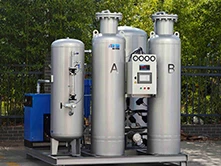
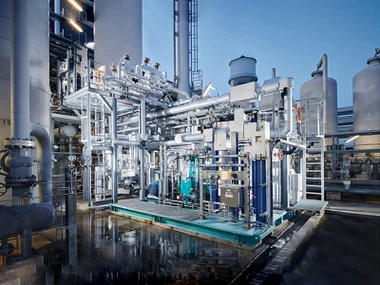
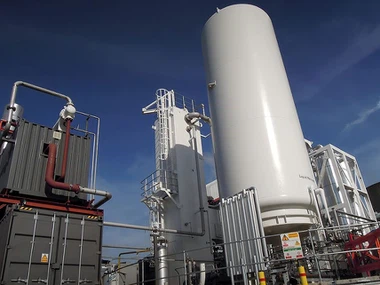


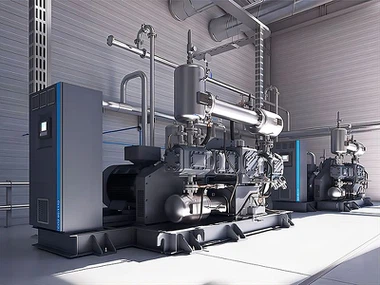
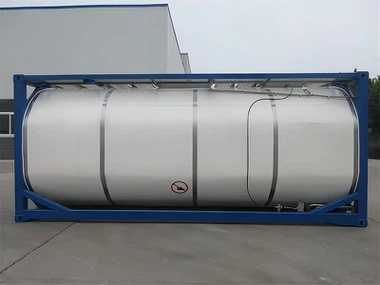


Oxygen Generator Psa
Description
Technical Parameters
oxygen generator psa
●High Efficiency and Energy Saving:
Optimized adsorption processes reduce energy consumption by 20%-30% compared to traditional processes.
●Stable Purity:
Advanced control algorithms ensure oxygen purity fluctuations within ±1%.
●Fast Gas Production:
Stable oxygen production is achieved within 15 minutes of startup.
●Easy Maintenance:
Modular design allows for quick replacement of key components and a long maintenance cycle.

How it works
The core operating principle of a pressure swing adsorption (PSA) oxygen generator is to utilize the differential selective adsorption of nitrogen and oxygen in the air by molecular sieves to achieve oxygen and nitrogen separation through a "pressurized adsorption - decompressed regeneration" cycle. This process can be divided into four key steps:
●Raw material pretreatment: First, air is introduced into a compressor and pressurized to 0.6-1.0MPa, the air then passes through a filter to remove impurities such as dust, moisture, and oil to prevent contamination of the core adsorption material (molecular sieve).
●Pressurized adsorption separation: The pretreated compressed air enters an adsorption tower filled with a specialized molecular sieve (mostly zeolite). Under pressure, the molecular sieve preferentially and strongly adsorbs nitrogen from the air (while also adsorbing smaller amounts of carbon dioxide and water vapor). Oxygen, which has a weaker adsorption capacity, is not retained and flows out of the top of the adsorption tower as product gas. After pressure stabilization, it enters an oxygen storage tank.
●Decompression regeneration: When the molecular sieve in the adsorption tower reaches saturation with nitrogen, the system automatically switches to decompression mode, reducing the pressure within the tower to near atmospheric pressure. This weakens the molecular sieve's adsorption capacity, releasing previously adsorbed nitrogen and discharging it with the exhaust gas, completing the "regeneration" of the molecular sieve and restoring its adsorption capacity.
●Dual-tower alternating cycle: The system typically features two adsorption towers connected in parallel. A PLC control system precisely controls valve switching, allowing the two towers to alternate between "pressurized adsorption" and "decompression regeneration" (typically a single cycle of 100 cycles). 60-120 seconds), thus achieving continuous and stable oxygen output, ensuring that the oxygen purity (usually 90%-95%) and flow rate remain stable at all times.
oxygen generator psa application
Healthcare
Centralized oxygen supply in hospitals and home oxygen therapy ensures safe oxygen use for patients.
Chemical Production
Providing a stable oxygen source for oxidation reactions and fermentation processes, improving product quality.
Wastewater Treatment
Utilizing oxygen aeration enhances wastewater purification and reduces treatment costs.
Glass Manufacturing
Oxygen-enriched combustion aids melting, increasing glass melting efficiency and improving glass quality.
fAQ
How do I determine the appropriate oxygen flow rate for an oxygen concentrator?
The calculation should be based on the number of people using oxygen, the flow rate requirements of the oxygen equipment, and the usage scenario. For example, in a hospital ward, an estimate is 2-5 L/min per bed.
What is the lifespan of the molecular sieve in an oxygen concentrator?
Under normal operating conditions, a high-quality molecular sieve can last 5-8 years, and regular maintenance can extend its lifespan.
Does the equipment require professional installation?
It is recommended that professional technicians perform the installation to ensure proper piping and electrical wiring to ensure stable operation.
Is the oxygen concentrator noisy during operation?
With sound insulation and vibration reduction design, operating noise is generally kept below 60 decibels, ensuring no environmental impact.
Can the oxygen concentrator be customized to meet specific purity requirements?
Yes, we can customize it to meet your needs, and we can produce oxygen with a purity of over 99%.
What is the after-sales service guarantee for the equipment?
We offer a 1-3 year warranty and a professional after-sales team with 24-hour response to promptly resolve any equipment issues.
Hot Tags: oxygen generator psa, China oxygen generator psa , suppliers, factory, Psa Oxygen Plant
Previous
Oxygen Production PlantSend Inquiry
Get in Touch
Write Your Message


