

 日本語
日本語 한국어
한국어 Français
 Deutsch
 Español
 Italiano
 Português
 Việt Nam
 Türkçe
 عربي
عربي  русский
  简体中文
简体中文 Čeština
 ไทย
ไทย Eesti
Eesti Gaeilgenah Éireann
 Bai Miaowen
 íslenska
 Cymraeg
 Български
 اردو
اردو Polski
 hrvatski
 українська
 bosanski
 فارسی
فارسی Lietuvių
 Latviešu
 עברית
עברית România limbi
 Ελληνικά
 dansk
dansk magyar
 Norsk
Norsk suomi
suomi Nederlands
 Svenska
 slovenčina
 slovenščina
 हिंदी
हिंदी Indonesia
 Melayu
 Malti
Malti Kreyòl Ayisyen
 Català
 বাংলা
বাংলা Srbija jezik (latinica)
 O'zbek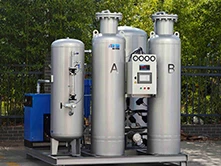


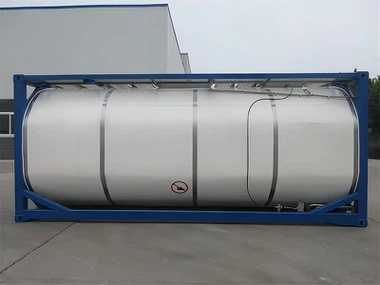


Gas Separation Unit
Description
Technical Parameters
Core Advantages
●Separation purity: This refers to the amount of impurities in the target gas and is a key indicator of equipment performance. For example, NEWTEK cryogenic air separation units can control nitrogen purity to ≤0.01ppm O₂, meeting the needs of high-tech industries like semiconductors.
●Processing capacity: This refers to the volume of mixed gas (or target gas output) that the equipment can process per unit time, typically measured in Nm³/h. Processing capacity varies significantly between different equipment types. NEWTEK cryogenic air separation units offer capacities ranging from 50 to 6,000 Nm³/h, adapting to varying scale requirements.
●Energy consumption: This refers to the energy consumed per unit volume of target gas produced by the equipment, directly impacting operating costs. NEWTEK cryogenic air separation units utilize technologies such as variable-speed compressors and high-efficiency heat exchangers to achieve 15%-20% energy savings compared to traditional equipment.
●Stability and reliability: This includes factors such as equipment operating time and failure rate. NEWTEK equipment ensures long-term stable operation by optimizing core components (such as air bearing expansion turbines) and a comprehensive after-sales guarantee system. The global service center response time is ≤ 24 hours.
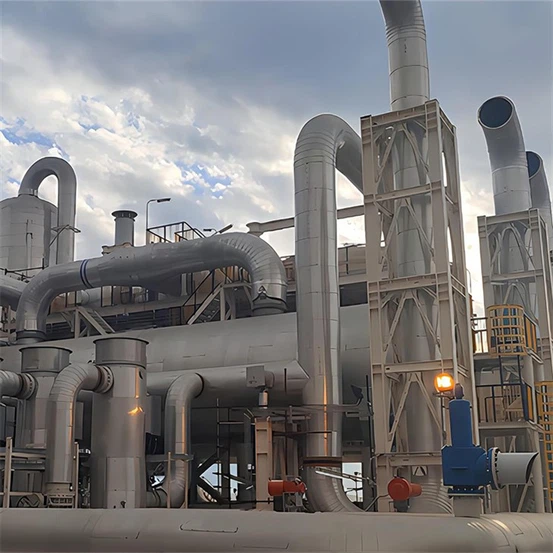
Main categories and technical features
| Equipment Type | Technical Principle | Core Advantages | Application Scenarios |
|---|---|---|---|
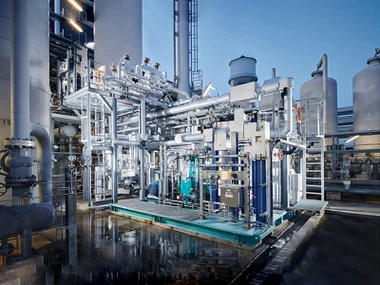
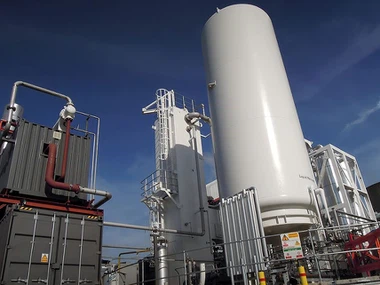
| Cryogenic Separation Type | Compression → Purification → Deep cooling (≤-180℃) to liquefy mixed gases; separation via distillation column by utilizing boiling point differences (O₂: -183℃, N₂: -196℃, Ar: -186℃) | High separation efficiency (N₂ purity down to O₂≤0.01ppm); NEWTEK's optimized cold box & compressor for lower energy consumption and more compact size; suitable for large-scale continuous production | Steel manufacturing (high-purity O₂ for combustion), semiconductor industry (ultra-pure N₂ for protection), medical field (medical O₂ supply) |
| Adsorption Separation Type | Selective adsorption of target gases by adsorbents (e.g., molecular sieves, activated carbon); target gas recovery via desorption (pressure reduction/heating) | Simple structure & low investment cost; flexible start-stop, no deep cooling, better energy efficiency under specific conditions; suitable for small-to-medium scale intermittent demand | Food packaging (small amount of N₂ for preservation), small medical stations (emergency O₂), laboratory gas preparation |
| Membrane Separation Type | Based on differential gas permeation rates through polymer membranes; fast-permeating gases (e.g., H₂) pass first under pressure difference, while slow-permeating gases (e.g., N₂) are retained | Small footprint, no moving parts, easy maintenance; strong adaptability to feed gas; suitable for low-energy-consumption & low-purity-requirement scenarios | Natural gas purification (methane impurity separation), H₂ recovery (from industrial exhaust), indoor air purification |
gas separation unit application
Aerospace
NEWTEK cryogenic air separation equipment provides 99.999%+ high-purity nitrogen for inert purging of engine combustion chambers to prevent explosions. High-purity oxygen is suitable for experiments on spacecraft oxygen supply systems, ensuring safe and accurate experiments.
Electronic Manufacturing
NEWTEK cryogenic air separation equipment produces 0₂≤0.01ppm ultra-pure nitrogen for wafer cleaning and drying to prevent short circuits. Membrane separation equipment separates harmful gases from workshops and, in conjunction with adsorption equipment, purifies the environment and improves chip yield.
Environmental Treatment
Membrane separation equipment recovers 99.5%+ pure hydrogen from refinery exhaust, enabling resource recycling. Cryogenic separation equipment separates carbon dioxide from waste incineration flue gas and, in conjunction with CCUS technology, stores it, helping to reduce emissions.
Food Processing
Adsorption separation equipment produces 99.9% food-grade nitrogen for modified atmosphere packaging of food to extend shelf life. Cryogenic separation equipment provides high-purity oxygen to assist in pasteurization of fruit and vegetable juices, preserving nutrients and increasing efficiency.
fAQ
Are there significant differences in initial investment costs for different types of gas separation units (cryogenic, adsorption, and membrane separation)? Which offers the best value for money?
The difference is significant. Cryogenic separation units have the highest initial investment (due to the need for deep cooling and distillation systems), but are suitable for large-scale, high-purity applications and offer low long-term operating costs. Adsorption separation units require approximately 50%-70% of the investment for cryogenic units and are suitable for small- to medium-sized, intermittent applications. Membrane separation units offer the lowest investment, but are only suitable for low-purity applications. Cost-effectiveness should be determined based on production capacity and purity requirements-for example, the semiconductor industry might choose a cryogenic unit, while a small food factory might choose an adsorption unit.
Is frost forming in the cold box of a cryogenic air separation unit normal? Will it affect equipment operation?
Minor frost (a thin layer of frost on the outer wall of the cold box) is normal, due to the temperature difference between the cold box and the outside air. Thick and extensive frost (covering more than 30% of the cold box surface area) may indicate damaged insulation or a leaky seal, requiring prompt contact with after-sales service. Light frost does not affect operation, but thick frost can increase cooling loss and energy consumption, leading to decreased equipment efficiency over the long term.
Besides regular replacement of the adsorbent in adsorption separation equipment, what maintenance precautions should be taken during daily use?
Daily monitor the pressure difference between the inlet and outlet of the adsorption bed (if the difference exceeds 0.1 MPa, check for blockage) and the adsorbent temperature (avoid exceeding 50°C to prevent a decrease in adsorption capacity). During downtime, purge the adsorption bed with dry nitrogen to prevent moisture from entering the adsorbent. Also, ensure that the oil and dust content of the feed gas does not exceed the specified level. Pre-filtration can be installed to extend the life of the adsorbent.
When membrane separation equipment processes feed gas with high humidity, does it require an additional drying device?
Yes. Polymer membranes are sensitive to moisture. High humidity can reduce membrane permeability and shorten their lifespan (possibly from 3-5 years to 1-2 years). It is recommended to install a freeze dryer or adsorption dryer at the equipment inlet to control the feed gas dew point below -40°C to ensure stable operation of the membrane module and avoid the costly frequent replacement of membrane elements.
Hot Tags: gas separation unit, China gas separation unit , suppliers, factory, Small Air Separation Unit, Air Separation Unit
Previous
Mobile Air Separation UnitNext
Asu PlantSend Inquiry
Get in Touch
Write Your Message


