

 日本語
日本語 한국어
한국어 Français
 Deutsch
 Español
 Italiano
 Português
 Việt Nam
 Türkçe
 عربي
عربي  русский
  简体中文
简体中文 Čeština
 ไทย
ไทย Eesti
Eesti Gaeilgenah Éireann
 Bai Miaowen
 íslenska
 Cymraeg
 Български
 اردو
اردو Polski
 hrvatski
 українська
 bosanski
 فارسی
فارسی Lietuvių
 Latviešu
 עברית
עברית România limbi
 Ελληνικά
 dansk
dansk magyar
 Norsk
Norsk suomi
suomi Nederlands
 Svenska
 slovenčina
 slovenščina
 हिंदी
हिंदी Indonesia
 Melayu
 Malti
Malti Kreyòl Ayisyen
 Català
 বাংলা
বাংলা Srbija jezik (latinica)
 O'zbek


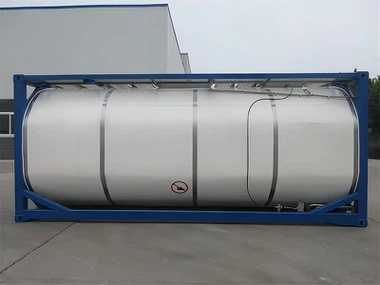


Asu Plant
Description
Technical Parameters
Core Working Principles
●Compression and Purification
First, ambient air is drawn in and compressed to high pressures. During this process, impurities like dust, water vapor, carbon dioxide, and hydrocarbons need to be removed through purification systems. For example, filters can trap dust, and molecular sieves are effective in adsorbing water vapor and co2 to prevent them from freezing and blocking the subsequent cryogenic equipment.
●Cryogenic Distillation
After purification, the compressed air is cooled down to extremely low temperatures (close to -180 °C or lower) through heat exchange with cold product streams and refrigeration cycles. At these cryogenic temperatures, air undergoes phase changes. In a distillation column, oxygen, nitrogen, and argon have different boiling points. Nitrogen has a lower boiling point (-196 °C) compared to oxygen (-183 °C) and argon (-186 °C). So, as the air is gradually cooled and distilled, nitrogen vaporizes and rises to the top of the column, while oxygen and argon tend to condense and collect at the bottom, allowing for their separation and collection as pure products.

Key Components and Their Functions
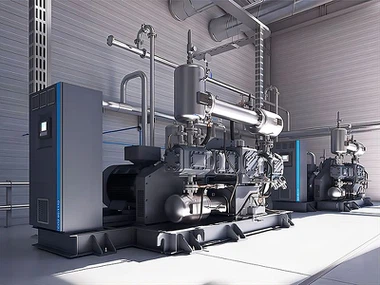
Compressors
Function: Increase the pressure of the incoming air. There are different types like centrifugal compressors,and reciprocating compressors.
Impact on Performance: The efficiency of compressors affects the overall energy consumption of the ASU plant. A more efficient compressor can reduce operating costs and improve the plant's productivity.
Purification Units
Molecular Sieves: These are porous materials that selectively adsorb impurities. They play a crucial role in ensuring the purity of the air entering the cryogenic distillation process. If impurities are not removed properly, they can accumulate in the distillation columns, affecting the separation efficiency and potentially damaging the equipment.
Filters: Pre - filters remove larger particulate matter from the air at the inlet, protecting downstream components from abrasion and clogging.
Cryogenic Heat Exchangers
Role: Facilitate the transfer of heat between the incoming warm air and the outgoing cold product gases. This cooling of the incoming air and simultaneous warming of the product gases is essential for energy conservation in the ASU plant. Efficient heat exchange can significantly reduce the amount of external refrigeration needed, lowering energy costs.
Distillation Columns
Design and Operation: These tall, cylindrical columns are the heart of the separation process. They are filled with packing materials or trays that provide a large surface area for vapor - liquid contact. The design of the distillation column ,determines the efficiency of separating oxygen, nitrogen, and other gases. Precise control of temperature, pressure, and reflux ratios, within the distillation column is vital for obtaining high - purity products.
ASU Plant Application
●Industrial ManufacturingSteel Production:Oxygen from ASU plants is used in the basic oxygen furnace process to enhance the combustion of impurities in molten iron, improving steel quality and production efficiency. Nitrogen is used for purging and protecting the steel during processing to prevent oxidation.
●Chemical Industry:Oxygen is a key reactant in many oxidation reactions. For example, in the production of ethylene oxide, oxygen is used to oxidize ethylene. Nitrogen is used as an inert gas for blanketing, purging, and transporting chemicals to ensure safety and prevent unwanted reactions.
●HealthcareMedical Oxygen Supply: ASU plants can be a source of medical - grade oxygen for hospitals and healthcare facilities. The high - purity oxygen produced is used for patient respiration support, especially in intensive care units and during surgical procedures.Electronics IndustrySemiconductor
●Manufacturing: High - purity nitrogen is used in the semiconductor industry for processes like wafer cleaning, packaging, and inert environment maintenance during chip fabrication. Argon, another product of some ASU plants, is used in sputtering and other thin - film deposition processes.
●Energy SectorCoal Gasification: Oxygen from ASU plants is used in coal gasification processes to react with coal, producing synthesis gas that can be further processed into fuels or chemicals. Nitrogen can be used for gasification system purging and safety applications.
fAQ
1. After an ASU plant separates air, what is the typical purity of the output gas?
In conventional industrial-grade ASU plants, oxygen purity can reach over 99.6%, and nitrogen purity is typically between 99.99% and 99.999%. With customized adaptation, argon purity can be increased to over 99.999% in some scenarios, meeting high-purity application standards.
2. What factors influence the energy efficiency of an ASU plant during operation?
These factors are primarily influenced by compressor efficiency (whether it is an energy-efficient model), heat exchanger performance (whether there is scaling or blockage), distillation column operating parameters (temperature and pressure control accuracy), and the thoroughness of air purification. Optimizing these factors can reduce energy consumption.
3. Does the molecular sieve in an ASU plant need to be replaced regularly? What is the typical replacement interval?
It needs to be replaced regularly. Under normal operating conditions, the adsorption capacity of molecular sieves decreases with age, and the replacement cycle is generally 2-3 years. If the air impurity content is high (such as dust, oil, and gas), the replacement cycle may be shortened to approximately 1.5 years.
4. With the trend toward carbon emission reduction, what low-carbon optimization designs does the ASU Plant have?
The plant uses high-efficiency, energy-saving compressors and innovative heat exchange technology to reduce energy loss. An intelligent control system dynamically adjusts operating load to avoid inefficient energy consumption. Some models can be integrated with a carbon capture system to reduce carbon emissions during production.
Hot Tags: asu plant, China asu plant , suppliers, factory, Small Air Separation Unit, Air Separation Unit
Previous
Gas Separation UnitSend Inquiry
Get in Touch
Write Your Message


