

 日本語
日本語 한국어
한국어 Français
 Deutsch
 Español
 Italiano
 Português
 Việt Nam
 Türkçe
 عربي
عربي  русский
  简体中文
简体中文 Čeština
 ไทย
ไทย Eesti
Eesti Gaeilgenah Éireann
 Bai Miaowen
 íslenska
 Cymraeg
 Български
 اردو
اردو Polski
 hrvatski
 українська
 bosanski
 فارسی
فارسی Lietuvių
 Latviešu
 עברית
עברית România limbi
 Ελληνικά
 dansk
dansk magyar
 Norsk
Norsk suomi
suomi Nederlands
 Svenska
 slovenčina
 slovenščina
 हिंदी
हिंदी Indonesia
 Melayu
 Malti
Malti Kreyòl Ayisyen
 Català
 বাংলা
বাংলা Srbija jezik (latinica)
 O'zbek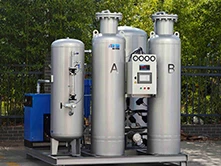
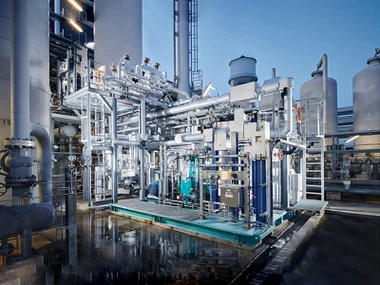
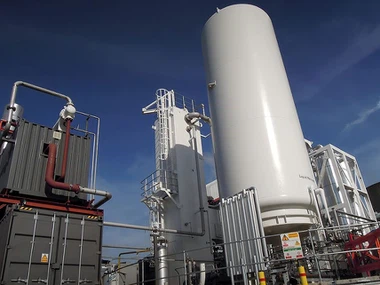


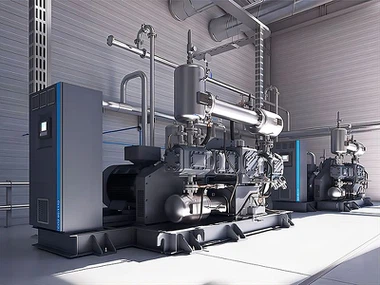
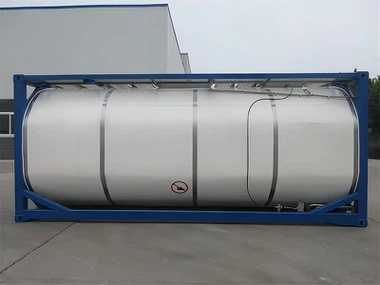


Air Separation Unit in The Industrial Gases Process
Description
Technical Parameters
Air Separation Unit Product Introduction
IIn the industrial gas sector, air separation units (ASUs) are core devices for air liquefaction and gas separation, serving a wide range of industries, including chemical, medical, and food, that have high demand for oxygen, nitrogen, and argon. As a professional provider of measurement instrumentation solutions, NEWTEK has developed high-precision measurement equipment covering flow, pressure, and liquid level, addressing the full-process monitoring needs of ASUs. This equipment ensures safe and efficient operation of the ASU process while guaranteeing the high purity of the final gas product.

NEWTEK air separation equipment measurement solutions Advantages
Ultra-Low-Temperature Adaptability
All devices are compatible with temperatures ranging from -196°C to room temperature. Products such as the OPTISONIC 3400 and OPTIMASS series are resistant to 100% gas-liquid mixtures, ensuring accurate measurement when liquid gases vaporize.
High Purity and Safety
Equipment materials and processes meet the requirements for contact with medical-grade oxygen and food-grade nitrogen. Flowmeters such as the DK32 undergo X-ray weld inspection and helium leak testing to prevent contamination. Products such as the OPTIBAR PC 5060 and BM 26 F2200 monitor tank pressure and liquid levels to ensure safety.
Full-Process Integrated Monitoring
Covering the entire process from air intake to product delivery, it provides comprehensive flow, pressure, and liquid level monitoring. Ultrasonic flowmeters such as the OPTISONIC 7300 integrate temperature and pressure sensors to automatically convert gas/liquid volume flow rates to standard values.
Customization and reliability
Pre-assembled custom solutions are available for applications such as purge panels and filling terminals (e.g., the DK32 flowmeter with piping and acceptance testing). These devices meet industrial-grade durability standards and are suitable for long-term continuous operation in air separation processes.
Core Operating Principles of Air Separation Plants
Based on the Linde process, an air separation unit separates air components through cryogenic distillation. The core process consists of five stages, each requiring precise monitoring of key parameters:

● Air Pretreatment Stage:
Intake air is pressurized to remove impurities such as CO₂, HC, and H₂O to prevent freezing and blockage. Monitor inlet pressure (to protect the compressor) and compressed air pressure (to control the process).
Precooling Stage: The clean compressed air is water-cooled to dissipate the heat of compression. Monitor cooling water flow (to maintain cooling efficiency), the nitrogen differential pressure at the precooler inlet and outlet (to determine operating conditions), and the compressed air flow (to calculate FAD).
● Cryogenic Expansion and Liquefaction Stage:
The precooled air enters a cold box for expansion and cooling, and is further cooled to liquefaction through heat exchange. Monitor the cold box total pressure (to control air separation) and the cryogenic medium temperature (to maintain liquefaction).
● Distillation Separation Stage:
Oxygen, nitrogen, and argon are separated by countercurrent distillation in a distillation tower using the boiling point differences between them. Monitor the cryogenic liquid flow (such as liquid nitrogen) and the distillation tower differential pressure (to maintain separation efficiency). Product Storage and Delivery: End products are stored in dedicated tanks or delivered to users. Monitoring is performed on tank pressure (safety), liquid level (magnetic flaps and radar for measurement and control), and product delivery flow (e.g., liquid oxygen/nitrogen/argon).
Terminal products and industry applications
The end products of air separation equipment are supplied to customers in the form of liquid gas (stored in product tanks) or gaseous gas (transported through pipelines) according to the different types of equipment.
Chemical Industry
Used as feedstock gas in the production of synthetic ammonia and methanol;
Medical Industry
High-purity oxygen for respiratory support and medical equipment;
Food Industry
Food-grade nitrogen for freshness preservation and packaging oxidation prevention;
Manufacturing Industry
Argon for welding protection and oxygen for metal cutting
fAQ
1.What are the key process stages in the entire industrial gas production process for an air separation unit (ASU)?
The core process is divided into five key stages: air pretreatment (impurity removal and pressurization), precooling (water cooling to dissipate compression heat), low-temperature expansion and liquefaction (cooling and liquefaction in a cold box), distillation and separation (separation by boiling point), and product storage and transportation (storage or delivery to users). Each stage requires precise monitoring of parameters to ensure efficiency.
2.What industrial applications can the gases produced by an ASU be used in?
The high-purity oxygen, nitrogen, argon, and other gases produced by ASUs meet a wide range of needs: oxygen is used to support combustion in steelmaking, nitrogen is used as a shielding gas in chemical synthesis, ultra-high-purity nitrogen is used to prevent oxidation in electronics manufacturing (such as semiconductors), medical-grade oxygen is provided to the medical field, and argon is used to assist crystal growth in the photovoltaic industry.
3.What key parameters should be monitored during ASU operation?
Why are these parameters so crucial? Core parameters that require monitoring include pressure (such as inlet pressure, total cold box pressure, and tank pressure), flow (such as cooling water flow, cryogenic liquid flow, and product delivery flow), temperature (such as cryogenic medium temperature), and liquid level (tank level, typically measured using magnetic flaps and radar). These parameters are directly related to equipment safety (preventing overpressure and clogging), separation efficiency (maintaining purity), and production stability (controlling process pacing).
4.Compared to conventional gas separation equipment, what technical advantages do air separation plants offer in industrial gas processes?
First, they are compatible with extremely low-temperature environments (-196°C to room temperature), with some equipment capable of withstanding 100% gas-liquid mixtures. Second, they can produce high-purity gases (oxygen purity ≥99.5%, nitrogen purity ≥99.999%), with materials and processes meeting medical and food-grade standards. Third, they support integrated monitoring of the entire process, with integrated temperature and pressure sensors automatically converting standard flow rates, eliminating unnecessary steps.
Hot Tags: air separation unit in the industrial gases process, China air separation unit in the industrial gases process , suppliers, factory, Air Separation Unit, Small Air Separation Unit
Send Inquiry
Get in Touch
Write Your Message


