

 日本語
日本語 한국어
한국어 Français
 Deutsch
 Español
 Italiano
 Português
 Việt Nam
 Türkçe
 عربي
عربي  русский
  简体中文
简体中文 Čeština
 ไทย
ไทย Eesti
Eesti Gaeilgenah Éireann
 Bai Miaowen
 íslenska
 Cymraeg
 Български
 اردو
اردو Polski
 hrvatski
 українська
 bosanski
 فارسی
فارسی Lietuvių
 Latviešu
 עברית
עברית România limbi
 Ελληνικά
 dansk
dansk magyar
 Norsk
Norsk suomi
suomi Nederlands
 Svenska
 slovenčina
 slovenščina
 हिंदी
हिंदी Indonesia
 Melayu
 Malti
Malti Kreyòl Ayisyen
 Català
 বাংলা
বাংলা Srbija jezik (latinica)
 O'zbek


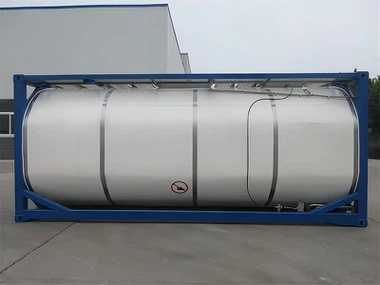


Air Separation Unit Plant
Description
Technical Parameters
The core advantages of Air separation plants
High-precision separation: Cryogenic distillation technology produces 99.5%+ high-purity oxygen, 99.999% nitrogen and 99.99% argon, which is suitable for high-precision fields such as semiconductors; it supports flexible adjustment of oxygen purity from 90% to 99.9%, meeting the needs of multiple industries such as medical and environmental protection.
Full-scenario adaptation: production capacity covers 10 Nm³/h (small PSA) to 100,000 Nm³/h+ (large cryogenic device); modular design enables rapid deployment and expansion, reducing upgrade costs.
Stable and efficient operation: the cryogenic device operates continuously for more than 8,000 hours; DCS/PLC intelligent control, the life of core components exceeds 10 years, ensuring the continuity of industrial production.
Energy saving and cost reduction: the expander recovers 30%+ mechanical energy, and the heat pump technology saves 10%-15% energy; the low-pressure process reduces the power consumption of the compressor and reduces the cost of gas.
Safety and environmental protection: ESD safety interlock system prevents risks; exhaust gas treatment meets standards, and renewable energy and gas production help "double carbon".
Customized services: customized electronic grade ultra-high purity gas process; mobile PSA equipment solves the problem of on-site gas use in remote areas.

Which industries have a greater demand for air separation equipment?


Iron and steel and metallurgy: large-scale supply of oxygen, nitrogen, and argon, high purity and stability
Blast furnace oxygen-enriched blast efficiency improvement, metal heat treatment protection/coal powder purging, steelmaking decarburization optimization special steel
Petrochemical/coal chemical: oxygen, nitrogen, hydrogen multi-gas combination, continuous supply, coal chemical gasification furnace/petroleum refining sulfur recovery, storage tank/reactor explosion-proof/pipeline purging, co-production of hydrogen for hydrocracking
Electronic semiconductor: ultra-high purity nitrogen (≥99.9999%), high-purity oxygen, rare gases, ppb-level impurity control, semiconductor vapor deposition/etching anti-oxidation, photovoltaic cell diffusion/oxidation/ozone generation, electronic devices/special light source manufacturing
Medical and pharmaceutical: medical oxygen (≥99.5%), nitrogen, in line with pharmacopoeia standards, hospital oxygen supply/pharmaceutical oxidation reaction, drug nitrogen filling packaging/sterile workshop purging
work principle
Cryogenic distillation
After the compressed air is purified, cooled and liquefied, high-purity gas is separated through a distillation tower by using the difference in boiling points of gases such as oxygen and nitrogen (oxygen - 183℃, nitrogen - 196℃).
Pressure swing adsorption (PSA)
Adsorbents (such as molecular sieves) are used to adsorb impurities such as nitrogen and carbon dioxide under high pressure, and oxygen and nitrogen are separated by low-pressure desorption to produce oxygen-rich or high-purity nitrogen.
Membrane separation
By using the selective permeability of polymer or ceramic membranes to gas molecules (such as the higher diffusion rate of oxygen than nitrogen), air is directly separated to obtain oxygen-rich or nitrogen-rich gas.
Chemical absorption
Selectively absorb carbon dioxide or other impurities in the air through solutions (such as amines) to release pure oxygen, which is suitable for specific scenarios (such as diving equipment).
FAQ
1. What gases can the equipment produce? What is the purity and capacity?
Mainly separate oxygen, nitrogen, and argon, and some equipment can extract rare gases such as neon, krypton, and xenon. • Purity range: oxygen ≥90%-99.5% (medical grade ≥99.5%), nitrogen ≥99%-99.9999% (semiconductor grade), argon ≥99.99%. • Capacity coverage: small devices 10-500 Nm³/h (such as PSA nitrogen generator), large cryogenic devices can reach more than 100,000 Nm³/h.
2. How to choose different technical routes (cryogenic distillation/PSA/membrane separation)?
Cryogenic distillation: suitable for large-scale, ultra-high purity needs (such as steel plants, petrochemical bases), but high investment and slow start-up. • PSA (pressure swing adsorption): small and medium-sized scale, medium purity (such as 93%-99.9% oxygen/nitrogen), suitable for medical and food packaging, and production at startup. • Membrane separation: small, low purity (such as oxygen-enriched air), used for sewage treatment and laboratories, low cost but unable to produce high-purity gas.
3. Does it comply with industry safety standards? What certifications are there?
Safety certification: Passed ASME (American Society of Mechanical Engineers), CE (EU Safety Certification), GB 16912 (Safety Requirements for Deep Freezing Air Separation Equipment in China). • Explosion-proof design: Key components (such as compressors, electronic control systems) have ATEX explosion-proof certification and are suitable for flammable and explosive scenarios (such as the petrochemical industry).
4. Can customized solutions be provided? How is the after-sales support?
Customization is provided: solutions can be designed according to gas purity, production capacity, and site conditions (such as containerized mobile PSA, electronic grade ultra-high purity nitrogen devices). After-sales: Provide remote monitoring (DCS system docking) and 24-hour fault response. ◦ Large projects are equipped with dedicated operation and maintenance teams, which conduct regular inspections and provide energy consumption optimization suggestions.
Hot Tags: air separation unit plant, China air separation unit plant , suppliers, factory, Small Air Separation Unit, Air Separation Unit
Send Inquiry
Get in Touch
Write Your Message


