

 日本語
日本語 한국어
한국어 Français
 Deutsch
 Español
 Italiano
 Português
 Việt Nam
 Türkçe
 عربي
عربي  русский
  简体中文
简体中文 Čeština
 ไทย
ไทย Eesti
Eesti Gaeilgenah Éireann
 Bai Miaowen
 íslenska
 Cymraeg
 Български
 اردو
اردو Polski
 hrvatski
 українська
 bosanski
 فارسی
فارسی Lietuvių
 Latviešu
 עברית
עברית România limbi
 Ελληνικά
 dansk
dansk magyar
 Norsk
Norsk suomi
suomi Nederlands
 Svenska
 slovenčina
 slovenščina
 हिंदी
हिंदी Indonesia
 Melayu
 Malti
Malti Kreyòl Ayisyen
 Català
 বাংলা
বাংলা Srbija jezik (latinica)
 O'zbek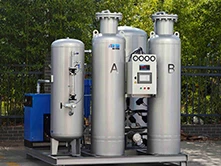
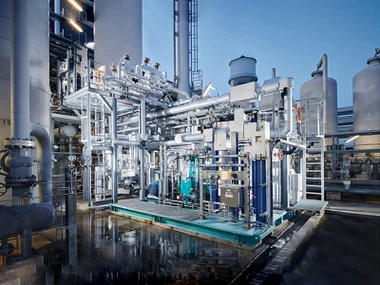
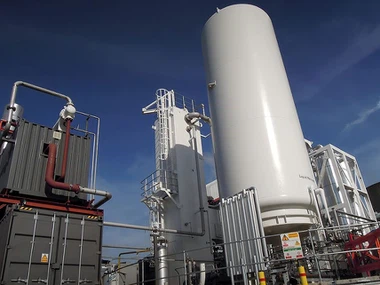


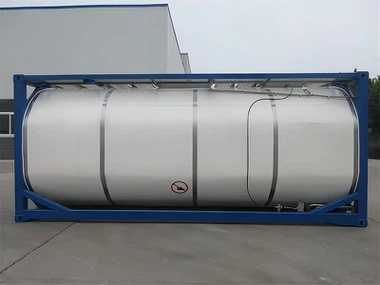


Air Separation Units (ASU)
Description
Technical Parameters
china Air Separation Units manufacturer
●High-Purity & Multi-Component Output:
Cryogenic distillation delivers O₂ (up to 99.999%), N₂ (up to 99.9999%), Ar (up to 99.999%), and co-produces rare gases, meeting industrial and high-end demands.
●Energy-Efficient & Cost-Effective (Large-Scale):
Advanced design + heat recovery/dual columns cut energy consumption; ideal for ≥500 Nm³/h operations with 3-5 year ROI.
●Flexible Modular Scalability:
Standardized/customized configurations; skid-mounted/integrated designs adapt to new builds/expansions, saving space and installation time.
●Reliable & Supported Operation:
High-quality components ensure 24/7 stable performance; full-lifecycle support + rapid spare parts supply minimizes downtime.
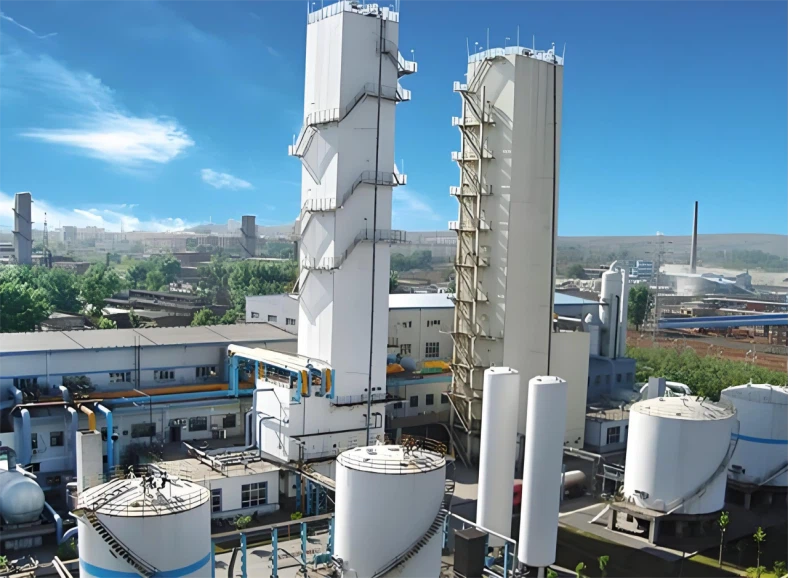
Core Technical Components
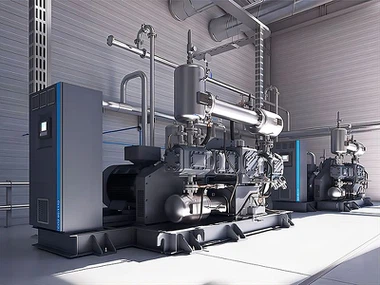
The efficient operation of ASUs relies on a series of specialized compressors and supporting systems. Each core component has a clear division of labor and works synergistically to ensure the stability and economy of the separation process:
●Main Air Compressor
As the power core of ASUs, FS-Elliott's high-capacity MAC compressors deliver peak operating efficiency. They compress atmospheric air to the pressure required by the process, providing a stable air source for subsequent cooling and separation processes. Their high-efficiency design directly determines the energy consumption level and operational stability of the entire ASU system, making them key equipment for ensuring project sustainability.
●Booster Air Compressor
Takes over the compressed air output from the MAC, further increases the pressure level, and provides countercurrent airflow for the evaporation process in the distillation column to optimize separation efficiency. The precise pressure control capability of this component is an important guarantee for ensuring gas separation purity.
●Nitrogen Compressors
Including two types: Nitrogen Gas Compressors (GAN) and Booster Nitrogen Compressors (BNC). They are used for direct compression and storage of separated nitrogen or further increasing nitrogen pressure to meet the needs of specific industrial scenarios, such as high-pressure nitrogen purging and inert gas protection.
●Combined Compressors
Innovatively integrate multi-process functions, realizing the integrated operation of air compression, boosting, and nitrogen treatment in a single piece of equipment. This significantly reduces equipment footprint, lowers system complexity, and is particularly suitable for modularly designed ASU projects.
Industry Application Scenarios
Thanks to their high purity and stability, the industrial gases produced by ASUs have become the core support for many key industries. The main application scenarios include:
Chemical and Petrochemical Industry: Provide key gas support such as oxygen combustion assistance and nitrogen protection for processes like ammonia synthesis, methanol production, and petroleum refining, ensuring reaction efficiency and production safety.
Liquefied Natural Gas (LNG) Industry: Used in the refrigeration cycle and inert gas protection during natural gas liquefaction, improving liquefaction efficiency and system safety.
Electronics Manufacturing Industry: Supply high-purity, dry compressed air and inert gases to meet the environmental control needs in precision manufacturing processes such as semiconductors and integrated circuits, preventing pollutants from affecting product quality.
Industrial Gas Distribution: Produce liquefied nitrogen, oxygen, and other products, which are supplied to end-user fields such as medical care, food preservation, and metal processing after storage and transportation.
Other Fields: Including combustion assistance in blast furnace ironmaking in the metallurgical industry and oxidation reactions in waste gas treatment in the environmental protection industry, covering the entire industrial production chain.
fAQ
1. How to choose between Cryogenic ASU and PSA oxygen generation system?
Cryogenic ASU: Ideal for large-scale (≥500 Nm³/h), continuous supply; lower unit energy consumption and co-produces argon, suitable for steel mills/chemical parks.
PSA System: Fits small-to-medium (10-500 Nm³/h) distributed needs; rapid deployment, low O&M cost, suitable for hospitals/small factories.
2. What gas purity can Cryogenic ASU achieve and for which scenarios?
Oxygen: ≥99.5% (industrial smelting/chemicals), ≥99.999% (electronics).
Nitrogen: ≥99.999% (electronic packaging/food), ≥99.9999% (optical fiber/aerospace).
Argon: ≥99.999% (welding/heat treatment); unique to cryogenic ASU.
3. What affects the ROI of Cryogenic ASU?
Key factors: Capacity utilization (≥80% for optimal cost), regional energy prices, sales model (self-use + external sales shortens payback). Typical payback period: 3-5 years.
4. How to assess a supplier's strength?
Check: ISO 9001/14001, ASME B31.3 certifications; large-scale/customized project experience (e.g., ≥10,000 Nm³/h ASU); full-lifecycle service (24h emergency, ≤7-day spare parts supply).
5. What configurations reduce ASU energy consumption?
Variable-frequency compressors (15-20% energy saving, 10-15% cost increase, 1-2-year payback).
Heat recovery systems (8-10% saving, 5-8% cost increase).
Dual distillation columns (12-15% saving, suitable for large projects).
6. How to lower ASU maintenance costs?
Sign long-term spare parts agreements to lock prices.
Choose modular/remote monitoring equipment to shorten overhaul time and reduce downtime.
Opt for high-quality core components to extend service life.
Hot Tags: air separation units (asu), China air separation units (asu) , suppliers, factory, Air Separation Unit, Small Air Separation Unit
Send Inquiry
Get in Touch
Write Your Message


