

 日本語
日本語 한국어
한국어 Français
 Deutsch
 Español
 Italiano
 Português
 Việt Nam
 Türkçe
 عربي
عربي  русский
  简体中文
简体中文 Čeština
 ไทย
ไทย Eesti
Eesti Gaeilgenah Éireann
 Bai Miaowen
 íslenska
 Cymraeg
 Български
 اردو
اردو Polski
 hrvatski
 українська
 bosanski
 فارسی
فارسی Lietuvių
 Latviešu
 עברית
עברית România limbi
 Ελληνικά
 dansk
dansk magyar
 Norsk
Norsk suomi
suomi Nederlands
 Svenska
 slovenčina
 slovenščina
 हिंदी
हिंदी Indonesia
 Melayu
 Malti
Malti Kreyòl Ayisyen
 Català
 বাংলা
বাংলা Srbija jezik (latinica)
 O'zbek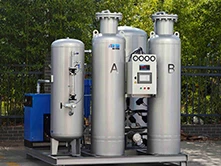
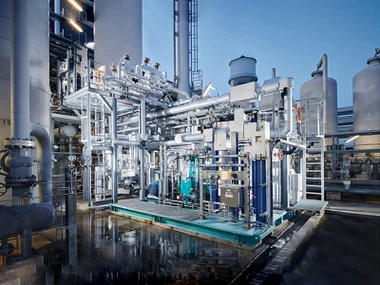
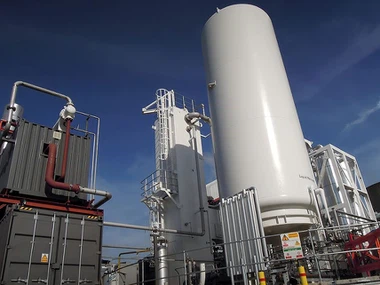


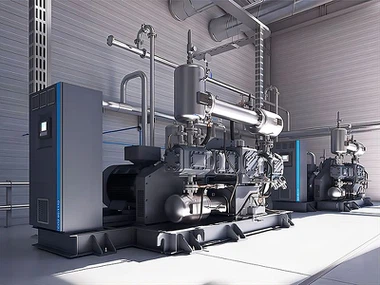
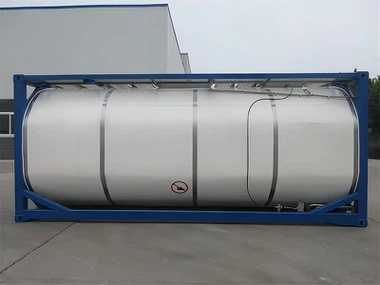


Air Separation Unit in Steel Smelting
Description
Technical Parameters
Key Performance Indicators of ASUs in Steel Smelting
●Oxygen Purity:
For steelmaking, the oxygen purity should be at least 99.5% or higher. Higher purity oxygen ensures more efficient oxidation of impurities in the steel, leading to better - quality steel and faster production.
●Nitrogen Purity:
In applications where nitrogen is used for protection, a high purity level is required. For example, in continuous casting, nitrogen purity of 99.99% or above is often necessary to effectively prevent oxidation.
●Energy Efficiency:
ASUs consume a significant amount of energy. Energy - efficient ASUs use advanced technologies such as high - efficiency compressors, optimized heat exchangers, and intelligent control systems to reduce power consumption. A reduction in energy consumption not only lowers the operating costs of the steel plant but also contributes to environmental sustainability.
●Reliability and Availability:
Since the steelmaking process is continuous, the ASU needs to have a high level of reliability and availability. A reliable ASU minimizes production disruptions in the steel plant. Regular maintenance, redundant components, and advanced monitoring systems are used to ensure high availability.

How do steel mills choose the Air Separation Unit that suits them?
●The core working principle of air separation equipment: gas separation through low-temperature distillation - compressed and purified air is cooled to below - 170℃ for liquefaction, and high-purity gas is separated in the distillation tower by using the boiling point differences of oxygen, nitrogen and argon.
●Matching production capacity scale: 1000-3000Nm³/h oxygen production equipment is selected for annual production below 1 million tons; 5000Nm³/h or more models are required for more than 3 million tons to avoid insufficient gas supply.
Adaptive smelting process: blast furnace ironmaking oxygen purity ≥ 99.5% model; special steel production focuses on argon purity ≥ 99.99% model; continuous casting requires nitrogen pressure fluctuation ≤ 0.1MPa equipment.
●Combined with energy consumption requirements: high environmental protection requirements can select energy-saving models with residual pressure recovery and variable frequency compression; equipment with load adjustment of 50%-110% is preferred for large production capacity fluctuations.
Consider the site and expansion: choose modular equipment for the renovation of old factories (reducing the land area by 20%-30%); choose models that can be modularly expanded without stopping the machine when planning to expand production.
●Evaluate the adaptability of operation and maintenance: choose models with air purification ≥ 99.9% and easy replacement of filter materials in high-dust areas; choose equipment with remote monitoring if there is a lack of professional teams.
fAQ
1. Will the fluctuation of oxygen purity of the equipment affect the quality of steelmaking? How to avoid it?
Yes. Oxygen purity below 99.5% will prolong steelmaking time and increase impurity residue. High-quality equipment can control fluctuations within ±0.1% through precision distillation tower design and real-time purity monitoring system. When purchasing, it is necessary to confirm that the equipment is equipped with an online laser analyzer to ensure stable purity.
2. How stable is the continuous operation of the equipment? How long is the maintenance cycle?
Mainstream equipment can run continuously for 8000-10000 hours before shutting down for maintenance. The filter element needs to be replaced every 3 months on a daily basis, and the sealing performance of the distillation tower needs to be checked every 6 months. In high-dust areas, it is recommended to shorten the filter element replacement cycle to 2 months to avoid impurities affecting separation efficiency.
3. Can the equipment be expanded according to the increase in steel plant capacity? Is the expansion cost high?
Modular equipment supports expansion. By adding distillation tower modules and compressors, the production capacity can be increased by 20%-50%, and the expansion cost is about 60%-70% of the newly purchased equipment. The expansion can be carried out in sections without affecting the existing production.
4. Compared with traditional equipment, how much energy can energy-saving air separation equipment save?
Equipped with variable frequency compression and residual pressure recovery, energy consumption is reduced by 15%-20% compared with traditional equipment. Taking the 3000Nm³/h model as an example, the annual electricity saving is about 800,000-1 million kWh. Calculated at industrial electricity prices, the annual electricity bill saving is more than 600,000 yuan.
Hot Tags: air separation unit in steel smelting, China air separation unit in steel smelting , suppliers, factory, Small Air Separation Unit, Air Separation Unit
Send Inquiry
Get in Touch
Write Your Message


