

 日本語
 한국어
 Français
 Deutsch
 Español
 Italiano
 Português
 Việt Nam
 Türkçe
 عربي
 русский
 简体中文
 Čeština
 ไทย
 Eesti
 Gaeilgenah Éireann
 Bai Miaowen
 íslenska
 Cymraeg
 Български
 اردو
 Polski
 hrvatski
 українська
 bosanski
 فارسی
 Lietuvių
 Latviešu
 עברית
 România limbi
 Ελληνικά
 dansk
 magyar
 Norsk
 suomi
 Nederlands
 Svenska
 slovenčina
 slovenščina
 हिंदी
 Indonesia
 Melayu
 Malti
 Kreyòl Ayisyen
 Català
 বাংলা
 Srbija jezik (latinica)
 O'zbek


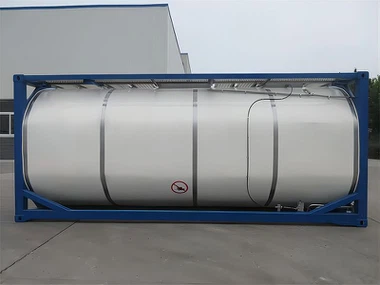

PSA Oxygen Generator: The Latest Shipping Dynamics From Asia Pacific To North America
Jan 15, 2025
Leave a message
Introduction
PSA oxygen generator's unique pressure swing adsorption technology has become an important equipment in the medical, industrial and environmental protection fields. This article will explore the latest dynamics and future development trends of PSA oxygen generators in the Asia Pacific and North American markets.

1. How much do you know about PSA oxygen generators?
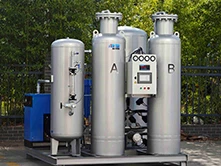
PSA oxygen generator is a device that uses pressure swing adsorption technology to produce oxygen from air. It uses air as raw material and separates impurities such as nitrogen and carbon dioxide from the air by physical adsorption to obtain high-purity oxygen. Compared with traditional methods such as cryogenic oxygen production, PSA oxygen generators have the characteristics of simple equipment and rapid startup, which can meet the demand for oxygen in different scenarios.
A. Working principle of PSA technology
The core of PSA technology is based on the difference in the adsorption capacity of adsorbents for different gas molecules and the influence of pressure changes on the adsorption and desorption processes. The equipment is filled with adsorbents that have strong adsorption capacity for impurities such as nitrogen. When air enters the adsorption tower at a high pressure, impurities such as nitrogen and carbon dioxide are adsorbed by the adsorbent, and oxygen is output through the adsorption tower to become product gas.

B. PSA technical advantages
Energy saving: PSA oxygen generators do not need to cool the air to an extremely low temperature like cryogenic oxygen production. The energy consumption in the entire oxygen production process is mainly concentrated in air compression and pressure switching of the adsorption tower, which greatly reduces energy consumption. Long-term use can save users a lot of electricity expenses.
Efficient: The pressure swing adsorption process can quickly separate and purify the gas. After the equipment is started, qualified oxygen can be produced in a short time. The oxygen production can be flexibly adjusted according to actual needs, and the demand for oxygen in different scenarios can be quickly responded.
Convenient maintenance: The equipment has a simple structure, no complex cryogenic equipment and moving parts, and reduces the probability of failure.
C. Analysis of PSA oxygen generator application fields
Healthcare field: Healthcare is the largest application field of PSA oxygen generators. As the prevalence of chronic respiratory diseases increases, oxygen therapy becomes a way for patients to maintain their health, and the demand for medical oxygen in hospitals, clinics and home care agencies continues to rise.

Industrial sector: Industries such as steel manufacturing, chemical processing and wastewater treatment have huge demand for high-purity oxygen. The increasing industrial activities in emerging economies and the pursuit of sustainable development in various industries have jointly promoted the growth of demand for industrial-grade PSA oxygen generators.
Aerospace sector: With the continuous increase in air travel and the continuous development of the industry, coupled with the continuous advancement of PSA technology, more compact and efficient systems have been brought about. PSA oxygen generators provide passengers and crew with necessary oxygen when flying at high altitudes.
Aquaculture: PSA oxygen generators are used to maintain the oxygen content in water to ensure the normal growth of aquatic organisms.

Food and beverage processing: Used for packaging and preservation of food and beverages to extend the shelf life of products.
2. Asia-Pacific market dynamics
The Asia-Pacific region has always been one of the fastest growing markets for PSA oxygen generators in the world. With economic development, improved medical infrastructure and accelerated industrialization, the penetration rate of PSA oxygen generators in the Asia-Pacific market has gradually increased. The following is a specific analysis of countries in different regions.
China
As one of the world's largest oxygen demand markets, China's demand for PSA oxygen generators mainly comes from the medical industry and heavy industry.
Medical: According to data from the National Health Commission of China, China's hospital oxygen demand will reach 5,000 tons/year in 2023. PSA oxygen generators have become the preferred oxygen supply equipment for many large and medium-sized hospitals. In grassroots hospitals and rural areas, PSA oxygen generators have gradually replaced traditional liquid oxygen supply systems due to their low cost and easy maintenance.
Industrial demand: According to data from the China Iron and Steel Association (CISA), China's steel industry requires about 20 million cubic meters of oxygen each year. PSA oxygen generators are the best choice for oxygen supply due to their energy-saving and high efficiency.
Indian market
Medical applications: During the COVID-19 epidemic, Indian hospitals and clinics are in urgent need of more oxygen supply equipment. It is expected that by 2025, India's oxygen demand will grow at an annual rate of 15%, driving the increase in demand for PSA equipment.
Industrial field: The rapid development of India's steel, petrochemical and other industries has further promoted the application of PSA oxygen generators. According to statistics from the Indian Steel Association, the oxygen demand of the Indian steel industry is about 15 million cubic meters per year. PSA technology has become the first choice for industrial gas with its low cost and high efficiency.
Southeast Asia
According to data from the National Health Bureau of Vietnam, Vietnam's oxygen demand has increased by about 10% in the past five years. The COVID-19 pandemic has exposed the shortage of medical resources. PSA oxygen generators have become a key equipment to solve the shortage of oxygen supply. It is expected that the Vietnamese PSA oxygen generator market will grow by about 20% in 2024. The medical and health system reforms promoted by the governments of Thailand and Malaysia have promoted the popularization of PSA oxygen generators. Because of its convenient installation and maintenance, it has become the preferred equipment in hospitals and emergency facilities in remote areas. In Australia, the PSA oxygen generator market has also maintained a growth trend in the past few years.
3. Breakthrough in the North American market
In 2023, North America will account for more than 35% of the global market for PSA oxygen generators, dominated by improved medical infrastructure, technological progress and high oxygen treatment needs. Europe ranks second, due to an aging population, a high incidence of chronic respiratory diseases and government medical investment support. Asia Pacific is expected to grow significantly during the forecast period due to increased medical spending, infrastructure expansion, and increased awareness of respiratory care in developing countries. South America and MEA will also grow steadily, driven by growing demand in hospitals and clinics and government efforts to improve the medical system.
The United States is the world's leading oxygen demand market, and PSA oxygen generators are widely used in the medical, industrial, and environmental fields. The medical industry is growing in demand due to an aging population, and hospital oxygen demand will be about 12,000 tons in 2023. PSA oxygen generators have become mainstream due to their low cost and high efficiency; in the industrial field, the petrochemical industry and other industries have large demand, and PSA technology accounts for about 30% of the market share. The Canadian market is growing in the medical and oil and gas industries. The North American market shows a trend of green environmental protection and technological upgrading. PSA oxygen generators are favored for their low energy consumption and small carbon footprint, and intelligent automation upgrades drive market demand growth.
4. Future development trends of PSA oxygen generators
A. Technical upgrades and innovations
The research and development of new adsorption material composite materials and nanomaterials can improve adsorption efficiency, increase oxygen production and reduce energy consumption, and optimize adsorption cycles to reduce maintenance. With the help of the Internet of Things, big data and artificial intelligence, real-time monitoring and predictive maintenance of equipment can be achieved, downtime and maintenance costs can be reduced, and operational efficiency can be improved. The modular design allows the equipment to be combined and expanded on demand, which is convenient for transportation, installation and maintenance, and can adapt to different scale scenarios.
B. Sustainable development
PSA oxygen generators will focus on energy saving and carbon reduction. By optimizing the compressor and adsorption process to reduce energy consumption, it may also be combined with renewable energy such as solar energy and wind energy in the future to reduce carbon footprint. Develop environmentally friendly adsorbents and adopt zero-emission technology to reduce environmental pollution.
C. The market continues to expand
With the aging of the global population and the increase in demand for medical services, its application will be more extensive in hospitals, clinics and home medical care in developing countries, involving more waste gas treatment and industrial gas separation for environmental protection. In emerging markets such as Africa, Latin America and Southeast Asia, the demand for PSA oxygen generators has grown rapidly due to the accelerated infrastructure construction and industrialization process.
PSA oxygen generators are widely used in the medical, industrial and environmental protection fields with the advantages of energy saving, high efficiency and easy maintenance. The demand in the Asia-Pacific and North American markets is growing, and the application prospects in emerging markets around the world are broad.