

 日本語
 한국어
 Français
 Deutsch
 Español
 Italiano
 Português
 Việt Nam
 Türkçe
 عربي
 русский
 简体中文
 Čeština
 ไทย
 Eesti
 Gaeilgenah Éireann
 Bai Miaowen
 íslenska
 Cymraeg
 Български
 اردو
 Polski
 hrvatski
 українська
 bosanski
 فارسی
 Lietuvių
 Latviešu
 עברית
 România limbi
 Ελληνικά
 dansk
 magyar
 Norsk
 suomi
 Nederlands
 Svenska
 slovenčina
 slovenščina
 हिंदी
 Indonesia
 Melayu
 Malti
 Kreyòl Ayisyen
 Català
 বাংলা
 Srbija jezik (latinica)
 O'zbek


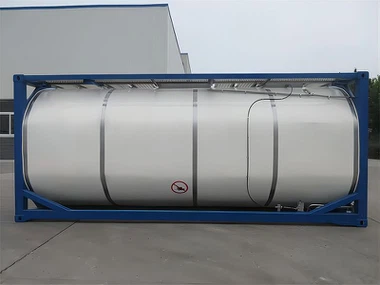

Oxygen Generators For Medical Use
Nov 10, 2026
Leave a message
Medical oxygen is a critical resource in hospitals. It supports respiratory care, emergency treatment, intensive care, surgery, neonatal care, and many other clinical services. A disruption in oxygen supply can affect multiple departments simultaneously, particularly in facilities that rely on centralized medical gas pipeline systems. For hospitals with high oxygen consumption, maintaining a dependable supply is an essential part of healthcare infrastructure and patient safety management.
Pressure Swing Adsorption (PSA) oxygen generation provides hospitals with an on-site source of medical oxygen. Instead of depending entirely on delivered liquid oxygen or high-pressure cylinders, a PSA oxygen generator separates oxygen from ambient air and supplies the resulting oxygen-rich gas to the hospital distribution network. When correctly designed, installed, monitored, and maintained, the system can operate continuously and reduce dependence on external oxygen deliveries.
However, continuous supply cannot be achieved by the generator alone. Reliable hospital oxygen infrastructure requires coordinated operation between the PSA generator, air compressors, filtration equipment, oxygen storage tanks, backup sources, electrical systems, medical gas pipelines, and monitoring devices. Each component has a role in preventing supply interruptions and maintaining the required oxygen purity, pressure, and flow.
This article explains how medical-grade PSA oxygen systems work, how they support uninterrupted hospital supply, and what hospitals should consider when planning, operating, and maintaining an on-site oxygen generation system.
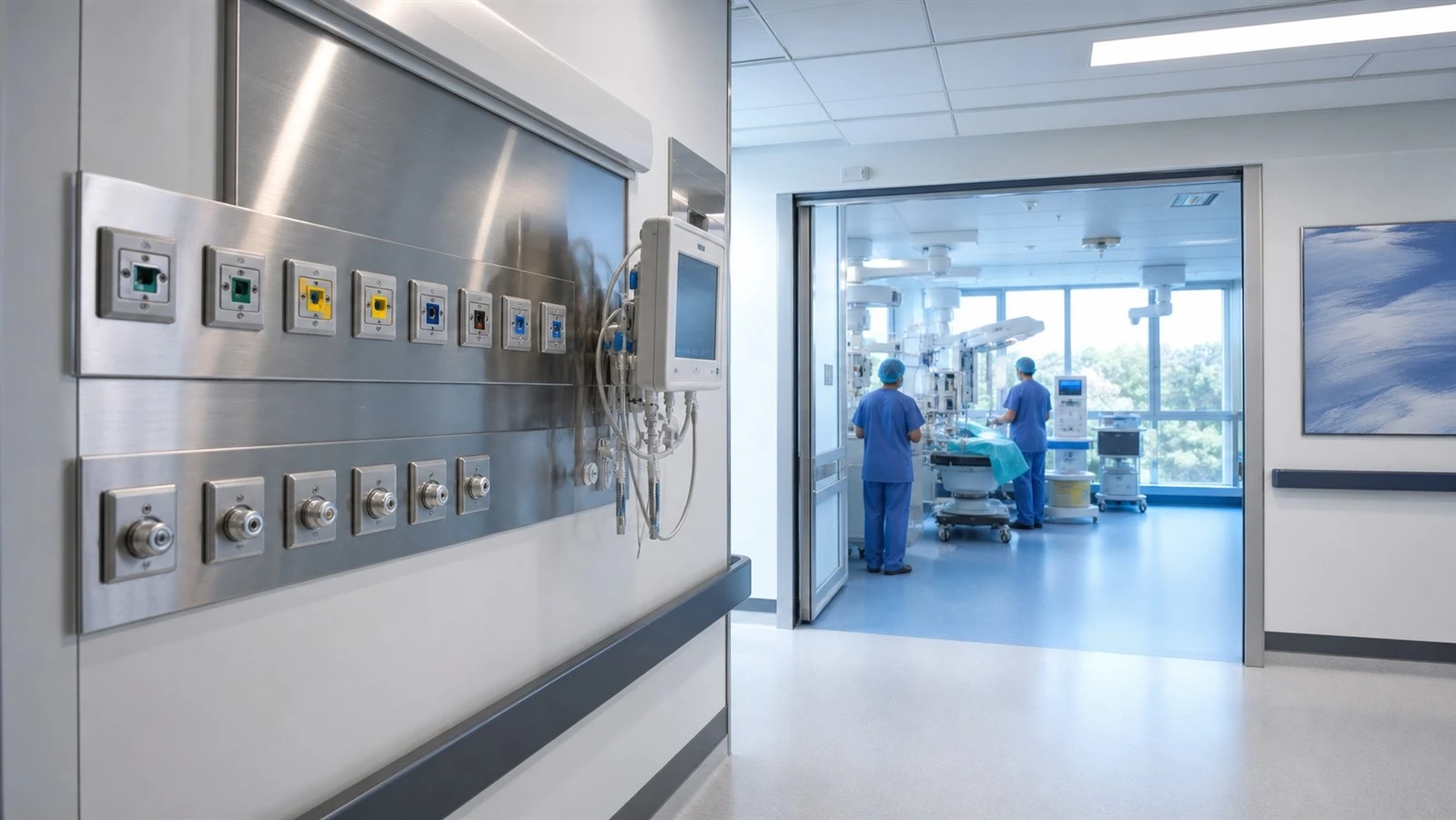
Why Continuous Medical Oxygen Supply Is Essential for Hospitals
Hospitals use oxygen across a wide range of clinical environments. Unlike some medical consumables that can be temporarily substituted or rationed, oxygen is often required continuously by patients whose respiratory function is compromised. A reliable supply must therefore be available at the required purity, pressure, and flow rate whenever clinical demand arises.
Hospital Departments with Continuous Oxygen Demand
Oxygen consumption varies according to hospital size, patient numbers, treatment types, and clinical workload. Some departments have relatively predictable demand, while others experience rapid changes during emergencies or periods of high patient occupancy.
Common oxygen-consuming departments include:
Intensive Care Units (ICUs): Ventilators and other respiratory support equipment require a stable medical oxygen source. Demand can increase significantly when several critically ill patients require respiratory assistance simultaneously.
Emergency Departments: Oxygen is used for initial stabilization, respiratory support, trauma care, and other urgent treatments. Demand can fluctuate quickly according to patient arrivals.
Operating Rooms: Oxygen is supplied through anesthesia workstations and respiratory equipment. Stable pipeline pressure and gas quality are important for maintaining the function of connected medical devices.
Neonatal and Pediatric Units: Oxygen is used for newborns and children who require respiratory support. Controlled oxygen delivery is particularly important in these clinical environments.
General Wards and Recovery Units: Patients with respiratory conditions, post-operative oxygen requirements, or other clinical needs may require continuous or intermittent oxygen therapy.
A hospital's oxygen demand is therefore not determined only by the number of beds. It also depends on occupancy rates, the number and type of respiratory support devices, treatment intensity, and simultaneous consumption across departments. Seasonal changes and emergency patient admissions can further increase demand.
Risks Associated with Oxygen Supply Interruptions
An interruption can occur at different points in the supply chain. The generator may stop operating, the electrical supply may fail, a compressor may malfunction, or a pipeline component may develop a fault. Even when oxygen generation continues, insufficient pressure or a distribution problem can prevent the gas from reaching patient outlets.
Potential consequences include reduced oxygen availability at medical gas outlets, insufficient pressure for connected respiratory equipment, increased dependence on emergency cylinders, and additional workload for clinical and technical staff. In more serious situations, supply interruptions may disrupt planned procedures and increase operational risks during periods of high oxygen demand.
For this reason, hospital oxygen infrastructure should be designed around continuity of supply rather than the performance of a single machine.
How Medical-Grade PSA Oxygen Generation Works
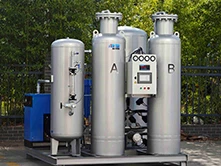
PSA technology separates oxygen from compressed ambient air through selective nitrogen adsorption. It uses molecular sieve material, commonly zeolite, to remove nitrogen from the air stream and produce oxygen-rich gas.
Medical PSA plants are designed for larger-scale oxygen generation than individual bedside oxygen devices. Depending on the system configuration and hospital requirements, the generated oxygen can be supplied directly to the medical gas pipeline or further compressed for cylinder filling.
The Main Stages of Oxygen Generation
A typical PSA oxygen generation process includes several connected stages.
1. Ambient Air Intake
The system draws atmospheric air through an intake point. Intake location is important because contaminated air can affect downstream filtration and oxygen quality. The intake should be positioned away from vehicle exhaust emissions, diesel generator exhaust, industrial fumes, dust, waste gas outlets, and other sources of oil vapor or airborne contaminants.
2. Air Compression
An air compressor increases the pressure of the incoming air so that it can pass through the treatment and adsorption stages. The compressor must be sized to support the required oxygen generation rate. Insufficient compressed-air capacity can reduce output flow or affect the stability of the generation process.
3. Air Pretreatment
Before entering the molecular sieve beds, compressed air passes through filtration and drying equipment. Typical pretreatment components include particulate filters, coalescing filters, activated carbon filters where required, air dryers, and automatic condensate drains.
This stage protects the molecular sieve material and downstream components from contaminants and excessive moisture. Poor air pretreatment can accelerate sieve degradation and reduce plant performance.
4. Nitrogen Adsorption
The treated compressed air enters a molecular sieve vessel. Zeolite selectively adsorbs nitrogen under pressure, allowing the oxygen-rich gas to pass through.
5. Regeneration and Pressure Equalization
Once the adsorption capacity of a vessel approaches its operating limit, the system reduces its pressure to release the adsorbed nitrogen. This regenerates the molecular sieve for the next cycle.
6. Alternating Vessel Operation
Most industrial PSA oxygen generators use two or more adsorption vessels operating in alternating cycles. While one vessel produces oxygen, another is depressurized and regenerated. The switching sequence allows oxygen generation to continue without requiring the adsorption process to stop every time a vessel is regenerated.
7. Oxygen Buffering and Distribution
The oxygen-rich product gas enters an oxygen receiver or buffer tank. The tank helps stabilize downstream pressure and provides a reserve volume between the production process and hospital consumption. The oxygen can then be delivered to the medical gas pipeline, subject to the pressure, quality, and system requirements of the installation.
What Does Medical-Grade Oxygen 93 Mean?
PSA-generated medical oxygen is commonly referred to as Oxygen 93. Its typical oxygen purity is 93% ±3%, with the applicable pharmacopoeial specification generally defining a range of 90% to 96% by volume for oxygen produced through molecular sieve technology.
This is different from conventional high-purity oxygen supplied through some liquid oxygen or cylinder systems, which generally has an oxygen purity above 99%.
The distinction matters because a hospital must ensure that the oxygen source is appropriate for the intended medical application and complies with the applicable pharmacopoeia and local regulatory requirements. Medical-grade suitability is not established by oxygen purity alone. Product gas quality, production processes, continuous monitoring, documentation, and compatibility with the medical gas pipeline system must also be addressed.
How PSA Oxygen Systems Support Continuous Hospital Supply
A hospital PSA system supports continuity through a combination of continuous generation, buffer storage, automatic control, backup supply, and coordinated distribution. These functions work together to maintain oxygen availability when demand changes or individual components require attention.
Continuous Oxygen Generation
A properly sized PSA oxygen generator is designed for extended operation, including 24-hour hospital demand. Its alternating adsorption cycle enables the system to generate oxygen continuously while the molecular sieve vessels regenerate in sequence.
To maintain stable production, the plant must have sufficient capacity under actual site conditions. The design should account for normal daily consumption, peak hourly demand, simultaneous use across departments, expected future increases in hospital capacity, required pipeline pressure, ambient temperature, altitude, compressor performance, and available electrical power.
A generator selected only according to average daily consumption may not provide enough output during peak demand. Capacity planning should therefore use measured or reasonably projected demand profiles rather than a single average figure.
Oxygen Buffer Tanks
The oxygen buffer tank is an important part of the supply system. It stores a volume of generated oxygen between the PSA plant and the downstream pipeline. Its main functions are to smooth short-term fluctuations in oxygen generation, support stable outlet pressure, accommodate temporary increases in demand, and reduce the effect of brief switching or control-cycle variations.
Buffer storage should not be confused with a complete emergency backup system. A receiver has a finite storage capacity. If the PSA plant stops generating oxygen for an extended period, the stored volume will eventually be consumed.
Hospitals must therefore calculate receiver capacity according to actual oxygen consumption, operating pressure, usable storage volume, expected duration of short-term disturbances, and the response time required for backup activation.
Automatic Control and Changeover
Automatic control systems help maintain stable operating conditions and reduce dependence on continuous manual intervention. Depending on the configuration, control functions may include oxygen purity monitoring, outlet pressure monitoring, oxygen generation flow measurement, compressor control, adsorption vessel switching, abnormal-condition detection, and alarm activation.
A duplex or parallel configuration can provide additional operational flexibility. For example, two generation units may share demand, or one unit may serve as standby capacity while the other operates. The exact arrangement must be engineered around the hospital's demand and the level of redundancy required.
Automatic changeover is particularly important when the primary source becomes unavailable. The backup source should be able to supply the medical gas pipeline without requiring a lengthy manual intervention.
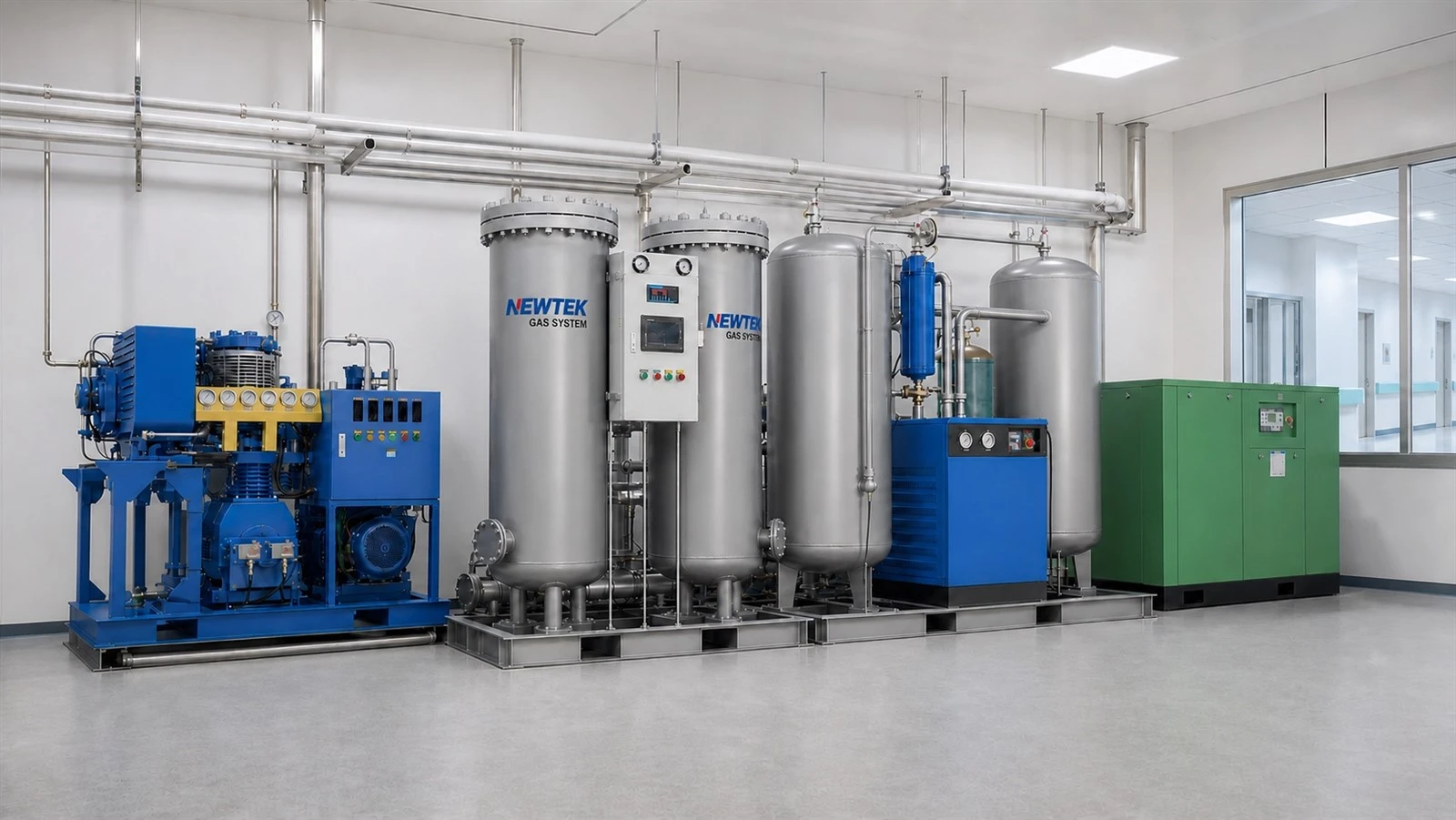
Redundancy: The Key to Reducing Oxygen Supply Interruptions
A PSA plant can operate continuously under normal conditions, but every mechanical and electrical system has potential failure modes. Redundancy reduces the risk that a single component failure will interrupt the hospital's oxygen supply.
A reliable installation should evaluate redundancy at both the production level and the supporting utility level.
Redundant Oxygen Generation Units
Hospitals with high oxygen demand may consider multiple PSA oxygen generators rather than relying on one unit. Several configurations are possible:
Duty-and-standby arrangement: One generator supplies normal demand while another is available to take over if the primary unit fails.
Parallel operation: Multiple generators operate together to meet total demand and may provide partial capacity if one unit is unavailable.
Modular generation: Several smaller units are arranged to allow flexible capacity management and maintenance.
Primary and secondary source arrangement: The PSA plant operates as the normal source, while a separate oxygen source provides emergency supply.
The correct configuration depends on required service continuity, hospital oxygen demand, the consequences of a single-unit failure, available installation space, maintenance strategy, and capital and operating budgets.
Backup Oxygen Sources
An independent backup source is essential because a PSA plant depends on several supporting systems, including electricity, compressed air, control equipment, and mechanical components.
Common backup arrangements include high-pressure oxygen cylinder manifolds, liquid oxygen storage and vaporization systems, secondary PSA oxygen generators, or a combination of storage and independent supply sources.
The backup system must be compatible with the hospital's medical gas pipeline and capable of supplying the required pressure and flow. It should not merely exist as installed equipment. It must be operationally ready, adequately stocked or filled, regularly inspected, and tested as part of the hospital's emergency procedures.
Automatic Backup Activation
When the primary oxygen source cannot maintain the required supply conditions, an automatic changeover system can transfer the pipeline supply to the backup source.
The changeover arrangement should account for low-pressure detection, source failure signals, isolation of faulty equipment, automatic or controlled activation of the secondary source, visual and audible alarms, and clear status indication for technical personnel.
The hospital should verify the actual changeover sequence during commissioning and periodic testing. A backup system that has not been tested under realistic operating conditions may fail to perform when needed.
Electrical Reliability and Emergency Power
A PSA oxygen generator requires electricity to operate its compressors, control systems, valves, cooling equipment, and other auxiliary components. A power failure can therefore interrupt oxygen generation even when the PSA equipment itself is mechanically sound.
Electrical reliability is a central part of hospital oxygen planning.
Main Power Supply Requirements
The electrical system should be designed according to the total connected load and the starting characteristics of the installed equipment. Important considerations include correct voltage and frequency, adequate three-phase power where required, stable voltage under changing compressor loads, proper circuit protection, grounding, appropriate cable sizing, and emergency power integration.
The installation should be checked against the manufacturer's electrical requirements and local electrical regulations.
Generator and UPS Integration
Hospitals commonly use emergency generators to maintain critical services during grid failures. The PSA oxygen generation plant should be included in the hospital's emergency power assessment rather than assumed to be covered automatically.
The electrical design should identify which components need emergency power and how quickly they must restart or transfer. A UPS may be used for control systems, monitoring devices, communication equipment, or other sensitive components. However, a conventional UPS is generally not intended to power large air compressors for extended periods. The required backup power capacity must be calculated according to the actual electrical load and expected outage duration.
A practical power continuity plan should include:
Emergency generator capacity for the PSA plant and essential auxiliaries.
Automatic transfer arrangements where appropriate.
UPS support for critical controls and monitoring.
Fuel availability and generator maintenance.
Restart procedures after power restoration.
Periodic simulation of grid failure and recovery.
The applicable medical gas system standards address emergency power planning as part of maintaining reliable oxygen generation and distribution. The specific electrical arrangement should be determined according to local requirements and the installed system configuration.
Maintaining Oxygen Quality, Pressure, and Flow
Continuous oxygen supply is not simply a matter of keeping the generator running. The delivered gas must meet the required quality specifications and reach clinical outlets at appropriate pressure and flow. Three operating parameters are particularly important.
Oxygen Purity
The oxygen analyzer measures the purity of the product gas. Continuous monitoring helps identify changes in generation performance before they affect the downstream supply.
Typical monitoring functions include real-time oxygen purity display, low-purity alarms, trend recording, automatic rejection or purging of off-specification gas where included in the design, and calibration and verification procedures.
The oxygen purity alarm threshold and product acceptance criteria must follow the applicable pharmacopoeia, local regulations, and approved system design.
Pipeline Pressure
The oxygen generation plant must deliver gas at a pressure compatible with the hospital's medical gas pipeline system. Pressure can be affected by insufficient compressor capacity, incorrect pressure regulation, excessive pipeline resistance, leakage, simultaneous high-flow demand, faulty valves or regulators, and inadequate receiver capacity.
Pressure monitoring should be carried out at appropriate points in the supply system. Low-pressure alarms help technical staff identify problems before they result in insufficient supply at clinical outlets.
Oxygen Flow Capacity
The system must supply enough oxygen to meet the hospital's simultaneous demand. Flow capacity should be evaluated using normal operating demand, peak demand, department-specific consumption, expected expansion, required reserve capacity, and output available under actual operating pressure and oxygen purity.
A generator's nominal flow rating should not be treated as its guaranteed usable output under every site condition. Altitude, ambient temperature, compressor performance, and operating pressure can affect system capacity. Engineering calculations should use the manufacturer's rated performance data and the hospital's actual operating conditions.
Medical Gas Pipeline Integration and Distribution
The PSA generator is only the production source. The medical gas pipeline system distributes oxygen from the source equipment to patient care areas.
A properly designed pipeline system must maintain gas identity, pressure stability, flow capacity, and safe isolation.
Main Distribution Components
A hospital medical oxygen distribution system may include oxygen source equipment, oxygen receivers or buffer tanks, pressure regulation equipment, main isolation valves, medical gas pipelines, area valve service units, pressure sensors and alarms, terminal units or medical gas outlets, and source monitoring devices.
The layout should allow authorized personnel to isolate specific sections for maintenance without unnecessarily interrupting oxygen supply to the rest of the hospital.
Pipeline Design and Commissioning
Pipeline design must account for the hospital's layout, outlet numbers, simultaneous flow requirements, pressure losses, and future expansion. Important considerations include correct pipeline sizing, approved materials and joining methods, gas-specific connectors and terminal units, prevention of cross-connection with other medical gases, proper labeling, accessibility of isolation valves, pressure and leakage testing, and verification of gas identity and quality.
Medical gas pipeline standards specify requirements for the design, installation, function, performance, testing, commissioning, and documentation of systems distributing medical oxygen. These requirements also address source equipment, pipeline distribution, control systems, monitoring, alarms, and the prevention of component interchangeability between different gas systems.
Commissioning should verify the complete supply chain, not only the PSA generator's ability to produce oxygen. The system must be tested from the source through the pipeline to the designated outlets.
Monitoring and Alarm Systems for Early Fault Detection
A reliable hospital oxygen system needs continuous visibility into its operating condition. Monitoring and alarms allow technical personnel to detect abnormal conditions and respond before a minor fault develops into a supply interruption.
Essential PSA Plant Monitoring Parameters
A typical monitoring arrangement may include:
| Parameter | Purpose |
|---|---|
| Oxygen purity | Confirms product gas quality |
| Oxygen output flow | Tracks generation against demand |
| Outlet pressure | Confirms supply pressure stability |
| Compressor pressure | Indicates compressed-air system performance |
| Air dryer condition | Helps identify moisture-control problems |
| Operating temperature | Detects overheating or abnormal conditions |
| Electrical status | Identifies power failure or electrical faults |
| System operating hours | Supports preventive maintenance planning |
| Alarm and fault history | Helps identify recurring problems |
The monitoring and alarm system should also identify high temperature, abnormal pressure, low oxygen purity, power failure, system failure, backup-source activation, and excessive air-dryer pressure dew point.
Local and Remote Monitoring
Local monitoring allows operators to inspect the plant directly through its control panel. Remote monitoring can provide additional visibility for hospital engineering teams or authorized service providers.
Depending on the system, remote functions may include live operating status, oxygen purity trends, flow and pressure records, alarm notifications, maintenance reminders, fault history, and equipment operating hours.
Remote monitoring can shorten fault-identification time, but it should not replace local alarms, trained operators, or established emergency procedures. Communication failures must also be considered in the monitoring design.
Preventive Maintenance: Keeping the PSA Plant Available
A PSA oxygen plant contains mechanical, pneumatic, electrical, and filtration components. Continuous operation creates wear and contamination risks that must be managed through scheduled maintenance.
Preventive maintenance is therefore directly related to oxygen supply reliability.
Maintenance of the Air Compressor
The compressor supplies the compressed air required for the adsorption process. Its condition has a direct effect on the plant's production capacity.
Maintenance tasks include checking operating pressure and temperature, inspecting belts and couplings, checking lubrication where applicable, inspecting filters and drains, monitoring vibration and abnormal noise, checking motor and electrical connections, and replacing consumables according to the service schedule.
Compressor maintenance intervals should follow the manufacturer's instructions and actual operating conditions.
Maintenance of Air Treatment Equipment
Filters and dryers protect the molecular sieve beds from contaminants and moisture. Maintenance should cover filter replacement, dryer performance checks, pressure dew point monitoring, condensate drain inspection, and checks for air leaks or abnormal pressure drops.
Poorly maintained air treatment equipment can allow moisture or contaminants to enter the adsorption system, reducing oxygen output and potentially shortening molecular sieve service life.
Molecular Sieve and Valve System Inspection
The molecular sieve is central to the PSA separation process. Its performance can deteriorate if exposed to unsuitable operating conditions or contaminants.
Operators and service personnel should monitor oxygen purity stability, production flow, adsorption vessel pressure behavior, switching valve operation, abnormal cycle times, pressure equalization performance, and signs of sieve deterioration.
Switching valves and pneumatic components should also be inspected because irregular switching can affect the adsorption cycle and oxygen output.
Maintenance Records and Spare Parts
A preventive maintenance program should include a documented service history. Useful records include daily operating parameters, oxygen purity readings, pressure and flow trends, alarm and shutdown records, filter replacement dates, compressor service records, analyzer calibration records, molecular sieve inspection or replacement history, and corrective maintenance reports.
Hospitals should also maintain a practical inventory of critical spare parts. Common examples include filters, valve components, sensors, electrical components, and analyzer-related consumables.
Specialized operator training, scheduled maintenance, and adequate spare parts are all important for supporting long-term plant operation.
How Hospitals Should Plan a Reliable PSA Oxygen Supply System
The design process should begin with a hospital oxygen demand assessment, not with the selection of a generator model. Equipment capacity, backup arrangements, storage, and pipeline design must all be based on the intended clinical workload.
Step 1: Assess Current and Future Oxygen Demand
Hospitals should collect information about total bed capacity and occupancy, ICU and emergency department requirements, the number and type of respiratory support devices, oxygen consumption during normal operation, peak consumption during high-demand periods, and planned expansion or new clinical services.
Where possible, actual flow measurements and historical consumption records provide a more useful basis than estimates alone.
Step 2: Define Required System Performance
The technical specification should establish the required oxygen purity and applicable quality standard, continuous output flow, operating pressure, required storage capacity, backup supply capacity, electrical power requirements, monitoring and alarm functions, expected operating environment, and maintenance and service requirements.
Step 3: Select the Appropriate System Configuration
The hospital should compare single-unit, parallel, modular, and duty-and-standby arrangements. The choice should reflect the consequences of a single-unit failure and the level of redundancy required. A hospital with high oxygen demand and critical-care services may require a more robust configuration than a smaller facility with lower and more predictable consumption.
Step 4: Plan the Site and Utilities
The installation location should provide adequate space, ventilation, drainage, access for maintenance, and suitable environmental conditions.
The project team should also verify:
Electrical capacity and emergency power availability.
Air intake location.
Equipment access and lifting requirements.
Heat dissipation and noise control.
Drainage and condensate management.
Safe separation from contamination sources.
Step 5: Commission the Complete Oxygen Supply System
Commissioning should cover the generator, storage, backup source, controls, alarms, and medical gas pipeline. The process should verify oxygen purity, flow and pressure performance, automatic switching, alarm operation, backup-source activation, electrical failure response, pipeline integrity, gas identity at terminal outlets, and operator understanding of normal and emergency procedures.
Planning, documentation, installation, commissioning, operational monitoring, maintenance, and long-term service arrangements should be treated as connected stages of establishing a healthcare oxygen generation plant.
Common Mistakes That Can Undermine Continuous Oxygen Supply
Even a technically capable PSA generator may fail to provide dependable hospital service if the wider system is poorly planned.
Hospitals should avoid several common mistakes:
Selecting capacity based only on average consumption: Average demand does not represent peak demand. A system without adequate production capacity may experience pressure or flow problems when several departments require oxygen simultaneously.
Treating the buffer tank as the only backup: A receiver can support short-term fluctuations, but it cannot replace an independent emergency oxygen source during an extended plant outage.
Ignoring emergency power requirements: A PSA plant that depends on grid electricity without a suitable emergency power arrangement may stop generating oxygen during a power failure.
Overlooking air pretreatment: Moisture, oil aerosols, and particles can affect the molecular sieve and reduce plant performance. Filter and dryer maintenance must be included in the operating plan.
Installing alarms without response procedures: An alarm has limited value if staff do not know what it means or what action to take. Responsibilities, escalation procedures, and backup activation steps should be clearly documented.
Failing to test backup equipment: A standby cylinder manifold or secondary generator may appear ready but fail because of empty cylinders, closed valves, faulty regulators, or control problems. Routine testing is essential.
Focusing on the generator rather than the pipeline: Oxygen production does not guarantee delivery to the bedside. Pipeline leakage, incorrect pressure regulation, isolation valve errors, or distribution faults can interrupt supply even when the generator is operating normally.
Conclusion
Medical-grade PSA oxygen generation gives hospitals an on-site method of producing Oxygen 93 from ambient air. Its alternating adsorption process supports continuous generation, while oxygen buffer tanks, automatic controls, and medical gas pipelines help maintain stable distribution to clinical departments.
However, dependable hospital oxygen supply requires more than a continuously running generator. It depends on correctly sized oxygen generation capacity, effective air pretreatment, stable compressed-air supply, adequate oxygen storage, independent backup sources, reliable electrical power, properly designed medical gas pipelines, continuous oxygen purity and pressure monitoring, and preventive maintenance.
Hospitals should treat PSA oxygen generation as part of an integrated medical gas supply system. Redundancy, automatic changeover, emergency power, operator training, and regular commissioning tests are essential to reducing the risk of interruption.
When these elements are properly engineered and managed, a medical-grade PSA oxygen generator can provide a reliable long-term source of hospital oxygen, reduce dependence on external deliveries, and strengthen the facility's ability to maintain essential respiratory care during routine operations and periods of increased demand.