

 日本語
日本語 한국어
한국어 Français
 Deutsch
 Español
 Italiano
 Português
 Việt Nam
 Türkçe
 عربي
عربي  русский
  简体中文
简体中文 Čeština
 ไทย
ไทย Eesti
Eesti Gaeilgenah Éireann
 Bai Miaowen
 íslenska
 Cymraeg
 Български
 اردو
اردو Polski
 hrvatski
 українська
 bosanski
 فارسی
فارسی Lietuvių
 Latviešu
 עברית
עברית România limbi
 Ελληνικά
 dansk
dansk magyar
 Norsk
Norsk suomi
suomi Nederlands
 Svenska
 slovenčina
 slovenščina
 हिंदी
हिंदी Indonesia
 Melayu
 Malti
Malti Kreyòl Ayisyen
 Català
 বাংলা
বাংলা Srbija jezik (latinica)
 O'zbek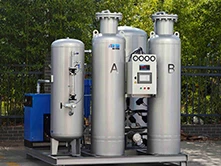


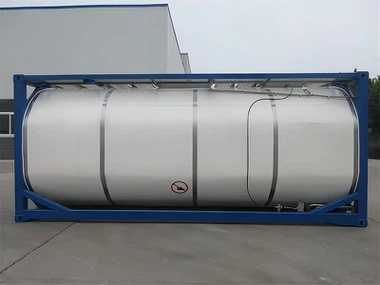

The Importance Of On Site Oxygen Generator in Aquaculture And Fish Culture
Dec 30, 2024
Leave a message
Development of aquaculture and oxygen supply
Ancient fish farmers did not face the problems of today, such as overfishing, environmental warming, disease and the challenges of sustainable development.
Today, with the increasing global demand for aquatic products and the complexity of aquaculture conditions, the industry faces unprecedented challenges.
In the late 1960s, oxygen generator technology brought new opportunities to the global fish farming industry and promoted its rapid development. But recreating the fish's natural habitat remains a key challenge.
Previously, ponds near waters with natural circulation were chosen for agriculture. Now, with the development of the industry, farms are often located in remote offshore or coastal areas (e.g., bass farming). In order to simulate the natural environment, facilities are more complex, and on-site oxygen generators are crucial to the success of modern aquaculture, especially oxygen supply.

The status and performance of NEWTEK oxygen generator in aquaculture
In aquaculture, NEWTEK Oxygen generators have become a trusted oxygen supply solution with superior performance and reliable quality, a cost-effective and safe choice. The importance of high oxygen levels for fish farming is self-evident, and many tropical fish farmers, wholesalers and retailers have adopted "on-site oxygen production" to maintain dissolved oxygen levels in the water, which can not only effectively reduce fish disease and mortality, but also significantly increase fish production, improve the health of fish populations and inhibit bacterial growth. At present, the aquaculture industry is showing a rapid development trend on a global scale, especially in developing countries, which is of great significance for ensuring food supply and alleviating poverty. With its own strength, NEWTEK has successfully installed multiple systems on fish farms in Canada, Norway and other countries. Its standard generator line produces 8-5,500 cubic feet of oxygen per hour at up to 95% oxygen concentration, and supports "plug and play" through standard 120 or 220VAC sockets, greatly increasing the convenience of practical applications.

The key role of oxygen supply in Marine cage culture
In Marine cage culture, oxygenation and aeration are very important, they are not only an important means to restore the natural growth conditions of fish, but also the core elements to ensure the respiration, growth and health of fish. Maintaining the optimal dissolved oxygen level has an irreplaceable role in preventing fish stress, diseases (such as common parasitic diseases of sea bass), ensuring the optimal food intake of fish, regulating water temperature and reducing the overall mortality of farmed sea bass.
The contemporary bass farming industry mainly uses two systems, open and closed. In the open cage system, the bass are in direct contact with the surrounding water body, and the oxygen supply mainly depends on the natural dissolved oxygen level in the water, and the water flow plays a decisive role in the oxygen supply effect. However, the increase of fish population density, the instability of water flow and the rise of water temperature and other factors can easily lead to the rapid depletion of dissolved oxygen in water. In this case, additional oxygen must be added to maintain a suitable dissolved oxygen level. The closed cage system (also known as the Marine ring cage) is designed to create a more controlled farming environment, which can actively monitor and accurately adjust oxygen levels, as well as recycle and treat the water to ensure an adequate supply of oxygen for fish and reduce their dependence on natural currents.
Both open and closed systems require strict monitoring and scientific management of dissolved oxygen levels. A variety of factors, such as fish density, water temperature, feed levels, and waste accumulation, all have an impact on the oxygen demand in the system. For example, higher water temperatures increase oxygen consumption by fish, while the saturation level of oxygen in the water decreases accordingly. Sea bass farming experts recommend that the dissolved oxygen level in the cage should not be lower than 60%-70% of the saturation level for a long time, especially when the water temperature exceeds 12-14 degrees Celsius, more attention should be paid to the dissolved oxygen situation.
Comparison and selection between on-site oxygen production and bulk distribution
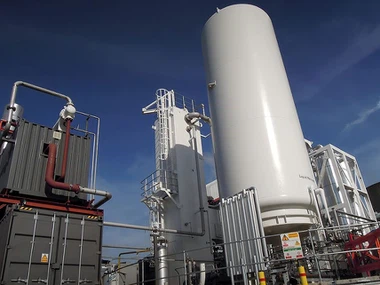
There are two main ways for bass farmers to meet their oxygen needs: the "bulk distribution" of liquid oxygen and the deployment of on-site oxygen generators. After practice verification, the on-site oxygen generator has shown a more significant advantage in many aspects, the following is a detailed comparison of the two ways:
| Comparison Dimension | Liquid Oxygen (Bulk Delivery) | On - site Oxygen Generation Supply |
|---|---|---|
| Cost Composition | Purchasing oxygen requires continuous large - scale capital investment. There are also multiple expenses involved such as storage tank leasing and transportation costs, resulting in high long - term costs. | Although there is an initial equipment purchase cost, there are no subsequent continuous oxygen purchase expenses. In the long run, it can significantly save costs. |
| Supply Stability | Highly dependent on the delivery arrangements of external suppliers. Once there are problems in the supply chain, such as transportation accidents or insufficient supplier production capacity, it is very likely to lead to oxygen supply interruptions, which seriously affects aquaculture production. | Completely self - controlled oxygen production. It can be started or adjusted at any time according to actual needs, enabling 24/7 uninterrupted and stable supply. |
| Operation Convenience | Requires a dedicated storage site and complex storage equipment. The storage process must strictly comply with safety regulations, and the operation process is cumbersome. Gasification and other processing steps are also required during use. | The equipment is easy to install and can be used "plug - and - play". There is no need for complex storage and pre - treatment links, and oxygen can be obtained directly and quickly, making the operation extremely convenient. |
| Purity Flexibility | The purity of the supplied oxygen is fixed, and it is difficult to adjust according to different aquaculture needs and scenarios. | It can flexibly adjust the oxygen purity according to actual aquaculture requirements to meet diverse aquaculture conditions. |
| Maintenance Difficulty | Maintenance work mainly focuses on storage tanks and gasification equipment. Although there are relatively few items, it requires a high level of professionalism, and the maintenance cost is not low. | Regular routine maintenance is required, but due to the mature technology, the maintenance work is relatively simple, and there is a professional team to provide support. |
| Environmental Impact | From the production, long - distance transportation to the final use of liquid oxygen, the whole process will generate a large amount of carbon emissions, putting great pressure on the environment. | On - site oxygen generation greatly reduces the transportation link, effectively reducing carbon emissions, which is in line with the concept of green and sustainable development. |
In addition, the on-site oxygen generator is more adaptable in harsh environments. For example, in the cold areas where most industrial bass farming is located, the on-site oxygen generator can effectively prevent icing, which is conducive to the growth of bass and also reduces the difficulty of farming work.
The superior performance of NEWTEK's 10-foot containerized on-site oxygen generator
NEWTEK's 10-foot containerized field oxygen generator stands out for its superior performance in a number of ways:
1. Strong oxygen production capacity: 65 kg of oxygen can be stably produced per hour, oxygen purity is up to 95%, air coefficient is 9.0, providing a solid oxygen guarantee for the growth of aquatic organisms.
2. Easy to use experience: cleverly installed in a 10-foot container, the overall weight is only 6750 kg, very light, easy to transport and move, especially suitable for the transportation of inconvenient breeding grounds. Support remote monitoring function, can be quickly put into operation, greatly improve the efficiency of use.
3. Energy saving and environmental protection model: fully integrate the concept of sustainable development in the design process, the total power consumption per 1 kg of oxygen production is only 0.6 kilowatts, very low energy consumption, minimal impact on the environment.
4. Harsh environment adaptation: Designed for harsh operating environments such as extreme temperatures and remote locations, it operates in complex conditions with high reliability.
As a leader in on-site oxygen production technology for aquaculture, NEWTEK's self-developed oxygen generation systems are not only efficient, but also cost-effective, and can significantly increase the level of dissolved oxygen (DO) in aquaculture systems. Regardless of the size of the breeding tank, the system can easily achieve full dissolution of oxygen, allowing fish farms to increase breeding density with confidence. Fish that grow in an oxygen-rich environment are not only healthy and strong, but also tastier. Once the NEWTEK Oxygen system is introduced into the fish farm, the level of dissolved oxygen (DO) in the water will increase significantly, and the average weight and survival rate of the fish will also increase significantly.
Core features of oxygen generator
1.Advanced PSA technology: Using advanced pressure swing adsorption (PSA) technology, the zeolite molecular sieve can accurately and efficiently selectively adsorb nitrogen and other impurities in the air to ensure high purity and stability of oxygen output, fully meet the strict demand for oxygen in aquaculture and water treatment fields.
2. High purity oxygen supply: A consistent supply of high purity oxygen to support healthy aquatic life, while helping to optimize water quality and meet the demanding oxygen quality requirements of fish farms and water treatment facilities.
3. Economical and efficient operation: Through on-site oxygen production, the dependence on external oxygen supply is greatly reduced, and operating costs are reduced from the source. The efficient operation mechanism of PSA technology ensures the minimization of energy consumption and cost expenditure, bringing real economic benefits to farmers.
4. Wide applicability: Fully considering the diverse needs of different fish farms and water treatment facilities, it can be customized according to the specific conditions to provide stable and reliable oxygen supply scheme, widely applicable to all kinds of aquaculture scenarios, effectively promote the healthy growth of aquatic organisms, and significantly improve the effect of water treatment.

Improve operational efficiency:
1.Cost savings: On-site oxygen technology completely eliminates the traditional model of purchasing and transporting oxygen cylinders or liquid oxygen, effectively avoiding the high costs associated with it, and effectively reducing the long-term operating costs of fish farms and water treatment facilities.
2.High reliability: The ability to provide a stable and continuous supply of oxygen to ensure 24/7 uninterrupted operation of fish farms and water treatment facilities to ensure the smooth progress of critical aquaculture operations and avoid loss due to oxygen supply problems.
3.Flexible customization: It can be customized according to the specific flow rate and oxygen purity requirements, and provide the most suitable solutions for different application scenarios, and fully meet the individual needs of customers.
4.Outstanding environmental benefits: on-site oxygen production mode reduces the dependence on external oxygen supply, greatly reduces the carbon emissions of oxygen in the process of transportation and processing, actively responds to the development trend of green environmental protection, and contributes to sustainable development.
Strict quality assurance
NEWTEK's PSA oxygen generator has always adhered to high quality standards to provide customers with high-quality and reliable oxygen supply services. In the production process, we strictly follow the high standards of aquatic products and water treatment industry, and the parts procurement channels are rigorous and reliable to ensure that the products can maintain stable quality performance in different regions. The use of high-quality materials such as advanced alloys makes it have excellent corrosion resistance and durability, and can be perfectly adapted to wet farming environments. At the same time, it is equipped with advanced sensors and control valves to ensure stable and accurate operation of the equipment through precise automatic control. We have established a long-term and stable cooperative relationship with experienced subcontractors, which not only guarantees the high quality of parts, but also enables customized production according to the special needs of customers.
Firm green concept
With energy saving and carbon reduction as the core design concept, NEWTEK is committed to optimizing energy efficiency and minimizing carbon emissions in the product development and production process. Actively take measures to reduce waste in the production process and effectively recycle recyclable materials. Strictly abide by the relevant environmental laws and regulations, attach great importance to the implementation of ISO 14001 environmental management system standards, and continuously strengthen the environmental awareness of employees through systematic training, and strive to allow customers to obtain high-quality products at the same time, but also contribute to environmental protection.
Product detailed model parameters
| Number | Model | Capacity (Nm³/hr) | Purity | Power Consumption for Producing 1 Nm³ Oxygen (kw/h) | Number of Bottles Filled in 12 Hours (pcs) | Required Operators |
|---|---|---|---|---|---|---|
| 1 | NTK - 5P | 5 | 93% ± 3% | 3.54 | 10 | 2 |
| 2 | NTK - 10P | 10 | 93% ± 3% | 2.52 | 20 | 2 |
| 3 | NTK - 15P | 15 | 93% ± 3% | 2.31 | 30 | 2 |
| 4 | NTK - 20P | 20 | 93% ± 3% | 2.13 | 40 | 2 |
| 5 | NTK - 25P | 25 | 93% ± 3% | 2.01 | 50 | 2 |
| 6 | NTK - 30P | 30 | 93% ± 3% | 2.09 | 60 | 2 |
| 7 | NTK - 40P | 40 | 93% ± 3% | 1.81 | 80 | 2 |
| 8 | NTK - 50P | 50 | 93% ± 3% | 1.94 | 100 | 2 |
| 9 | NTK - 60P | 60 | 93% ± 3% | 1.62 | 120 | 2 |
| 10 | NTK - 80P | 80 | 93% ± 3% | 1.92 | 160 | 2 |
| 11 | NTK - 100P | 100 | 93% ± 3% | 1.83 | 200 | 2 |
Design Basis: Altitude ≤ 500m; Relative Humidity ≤ 80%; Temperature: 0℃ - 38℃; Filling Pressure: 150Bar 40L Standard Gas Cylinders.