

 日本語
日本語 한국어
한국어 Français
 Deutsch
 Español
 Italiano
 Português
 Việt Nam
 Türkçe
 عربي
عربي  русский
  简体中文
简体中文 Čeština
 ไทย
ไทย Eesti
Eesti Gaeilgenah Éireann
 Bai Miaowen
 íslenska
 Cymraeg
 Български
 اردو
اردو Polski
 hrvatski
 українська
 bosanski
 فارسی
فارسی Lietuvių
 Latviešu
 עברית
עברית România limbi
 Ελληνικά
 dansk
dansk magyar
 Norsk
Norsk suomi
suomi Nederlands
 Svenska
 slovenčina
 slovenščina
 हिंदी
हिंदी Indonesia
 Melayu
 Malti
Malti Kreyòl Ayisyen
 Català
 বাংলা
বাংলা Srbija jezik (latinica)
 O'zbek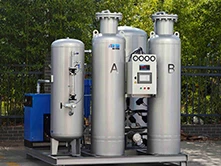


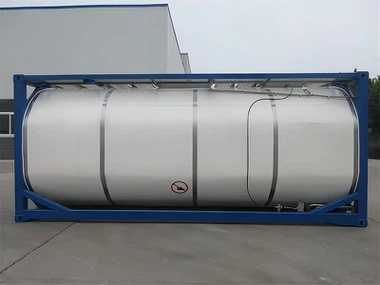

PLC Control Of Switching System Of Oxygen Generator Air Separation Unit
May 30, 2025
Leave a message
In industrial applications, oxygen production technology plays a vital role in many fields such as medicine, manufacturing and aviation. Air separation units are the core technology for achieving high-purity oxygen supply. They purify oxygen by separating gases such as oxygen and nitrogen from the air. The performance and reliability of this process depend to a large extent on advanced control technology, among which programmable logic controller technology is particularly critical. The switching system in the oxygen production equipment is controlled by PLC, which makes the entire oxygen production process automated and efficient. This article will explore the application of PLC in the switching system of air separation equipment and its role in improving the efficiency of system operation.

1. Overview of Oxygen Production Process
Oxygen production is a critical process in various industries, including healthcare, metallurgy, chemical manufacturing, and environmental engineering. The primary objective is to separate oxygen from atmospheric air, purify it, and deliver it in a usable form-either as gas or liquid-depending on the application. The most common methods for industrial and medical oxygen production include Cryogenic Distillation, Pressure Swing Adsorption , and Membrane Separation.
1.1 Air Intake and Pre-Treatment
The production process begins with the intake of ambient air, which contains approximately 21% oxygen, 78% nitrogen, and trace amounts of other gases. Before separation, the air is filtered to remove dust, oil vapors, and moisture. This ensures that only clean, dry air enters the core production system, preventing damage to sensitive equipment and improving the efficiency of the separation process.
1.2 Air Compression
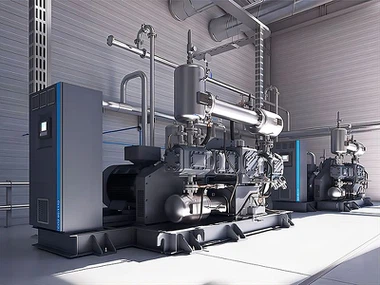
The pre-treated air is then compressed using industrial air compressors. Compressing the air increases its pressure and temperature, which facilitates subsequent cooling and purification stages. Intercoolers and aftercoolers are often used to reduce the heat generated during compression.
1.3 Air Separation Techniques
Depending on the desired purity, volume, and application, one of the following technologies is used to separate oxygen from other components of air:
Cryogenic Distillation:
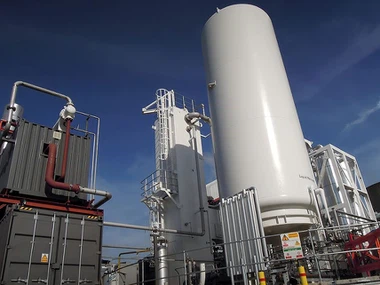
This method involves cooling the compressed air to extremely low temperatures, where it liquefies. Through a series of distillation columns, the different components are separated based on their boiling points. Oxygen is extracted as a high-purity liquid or gas. This technique is ideal for large-scale production and delivers oxygen with a purity of 99.5% or higher.
Pressure Swing Adsorption :
PSA systems use molecular sieves-typically zeolite materials-to adsorb nitrogen under high pressure while allowing oxygen to pass through. When the pressure is released, the nitrogen is desorbed, and the cycle repeats. PSA systems are compact, energy-efficient, and widely used in hospitals and small industrial settings. Oxygen purity generally ranges from 90% to 95%.
Membrane Separation:
In this method, compressed air is passed through semi-permeable membranes that allow oxygen to permeate faster than nitrogen. Although the oxygen purity is lower , this method is suitable for applications that do not require high-purity oxygen, such as wastewater treatment and combustion enhancement.
1.4 Purification and Drying
After the separation process, the oxygen may contain residual moisture, hydrocarbons, or traces of other gases. Purification units such as catalytic oxidizers, dryers, and filters are used to remove these impurities. This ensures compliance with safety and quality standards, especially for medical and food-grade oxygen.
1.5 Storage and Distribution
The final product-either gaseous or liquid oxygen-is stored in high-pressure cylinders, cryogenic tanks, or buffer tanks, depending on its state and end use. From here, it is distributed to hospitals, manufacturing facilities, or directly integrated into process pipelines for continuous supply.
2. The role of PLC in air separation units
PLC plays a vital role in automation control in air separation systems, covering multiple aspects such as switching control, parameter monitoring and data processing. Among them, the control of the switching system is particularly critical. It is responsible for managing the flow path of air and gas to ensure the efficient operation of the separation process.
2.1 Function of the switching system
In the oxygen production process, the switching system is used to control the flow path of gas between different valves and adsorption towers. PLC controls each solenoid valve and sensor to achieve high-precision logic control, optimize switching rhythm, and improve oxygen purity and system stability.
2.2 PLC control mechanism
PLC reads real-time data such as temperature, pressure, and flow collected by sensors in the system to make logical judgments and control adjustments. Its control mechanism includes:
Temperature control: Ensure the temperature range required for the separation process by adjusting the cooling/heating unit.
Pressure control: Maintain the system within a safe and efficient working pressure range.
Flow control: Adjust the intake volume and gas flow rate at each stage according to the oxygen production demand.

3. Advantages of PLC control system
The application of PLC technology in oxygen production equipment brings many significant advantages:
High degree of automation: Reduce manual operation and improve production efficiency and stability.
High operating efficiency: Realize precise control and energy saving through real-time data feedback.
Improved safety: Built-in multiple protection mechanisms to prevent abnormal operation of equipment.
Remote monitoring and control: Modern PLC supports remote access to improve management convenience.
4. NEWTEK: High-end oxygen control system and gas engineering solution provider
NEWTEK Industrial is a high-tech enterprise focusing on the research and development, design and manufacturing of industrial gas systems. It is committed to providing global customers with complete sets of system equipment for the preparation, purification and filling of gases such as oxygen, nitrogen, argon, acetylene, nitrous oxide, carbon dioxide, etc. The company integrates product research and development, technical services, system integration and automation control, and has a number of core patents and independent intellectual property rights. It is a trustworthy brand in the field of industrial gas equipment in the world.
In the field of oxygen control systems, NEWTEK widely adopts advanced PLC control technology and human-machine interface (HMI) system to realize intelligent management of adsorption tower switching, process control, pressure regulation, temperature monitoring and other functions. Through the deep optimization of fluid control logic, NEWTEK equipment can achieve precise switching operation and stable gas output, effectively improving oxygen purity and system operation efficiency.
The SS series switching control system launched by the company integrates modular design concepts and has the following features:
Automatic switching intelligent control: supports setting time or temperature/pressure thresholds to achieve automatic switching of adsorption towers without manual intervention.
System self-diagnosis and fault alarm: built-in multiple status monitoring and diagnosis mechanisms, alarm signals will be issued when abnormalities occur, improving system safety.
Support remote monitoring and data analysis: can be connected to the SCADA system through industrial Ethernet, remotely view system status and export operation reports.
Personalized customization service: Newtek can customize complete systems with different gas flow, purity and control logic according to customer process requirements.
NEWTEK's service network is spread all over the world, and its products are widely used in medical oxygen production, hospital centralized oxygen supply systems, electronic semiconductor gas supply, metallurgical gas recovery, chemical synthesis gas production, food preservation gas application and other fields. The company has project cases in Europe, America, the Middle East, Southeast Asia, South America and other markets, and customer satisfaction continues to remain at a high level.
In addition, NEWTEK always adheres to the development concept of "technology-led, quality-oriented, service-oriented", equipped with a professional engineer team to provide full-process technical support, from preliminary consultation, solution design to installation and commissioning, personnel training and after-sales maintenance, to fully guarantee the long-term and stable operation of customer systems.
In the future, NEWTEK will continue to drive development with innovation, constantly improve the level of system intelligence and green energy saving, and contribute Chinese wisdom to the upgrading of the global industrial gas industry.
5. Conclusion
PLC switching system is one of the core control modules of modern oxygen air separation equipment, and plays an irreplaceable role in the efficient, safe and automated operation of the system. With the growing demand for high-purity oxygen in various industries, the requirements for automation and intelligent control are also increasing. NEWTEK and other companies are constantly promoting the innovation and development of oxygen production technology, providing more advanced and reliable solutions for industry customers.