

 日本語
日本語 한국어
한국어 Français
 Deutsch
 Español
 Italiano
 Português
 Việt Nam
 Türkçe
 عربي
عربي  русский
  简体中文
简体中文 Čeština
 ไทย
ไทย Eesti
Eesti Gaeilgenah Éireann
 Bai Miaowen
 íslenska
 Cymraeg
 Български
 اردو
اردو Polski
 hrvatski
 українська
 bosanski
 فارسی
فارسی Lietuvių
 Latviešu
 עברית
עברית România limbi
 Ελληνικά
 dansk
dansk magyar
 Norsk
Norsk suomi
suomi Nederlands
 Svenska
 slovenčina
 slovenščina
 हिंदी
हिंदी Indonesia
 Melayu
 Malti
Malti Kreyòl Ayisyen
 Català
 বাংলা
বাংলা Srbija jezik (latinica)
 O'zbek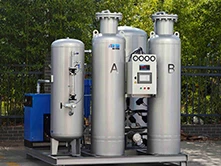


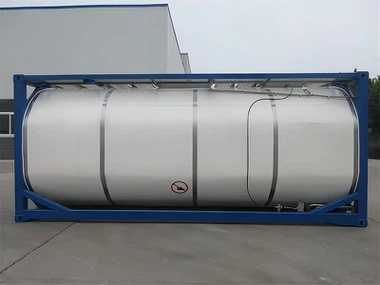

Industrial Gas Solutions Beyond Oxygen Generation: Understanding PSA, VPSA And Cryogenic Applications
Jun 18, 2026
Leave a message
Introduction
When discussing industrial gas systems, many users immediately think of oxygen generators. However, modern industrial gas applications extend far beyond oxygen production alone.
Different industries require different gases, production capacities, purity levels, delivery methods, and operational strategies. Choosing the right technology is often more important than choosing a specific supplier.
Today, industrial gas users are increasingly looking for complete solutions rather than standalone equipment. Understanding the differences between PSA, VPSA, and Cryogenic technologies is the first step toward building a reliable and cost-effective gas supply strategy.
The Growing Demand for Industrial Gas Solutions
Industrial gases have become essential across a wide range of sectors:
- Mining and mineral processing
- Steel manufacturing
- Petrochemical and refining industries
- Semiconductor production
- Glass manufacturing
- Pulp and paper mills
- Wastewater treatment
- Aquaculture
- Healthcare
- Green hydrogen and renewable energy projects
As demand continues to grow, users face a common challenge:
Which gas production technology is most suitable for their application?
The answer depends on production scale, purity requirements, operating costs, infrastructure availability, and long-term expansion plans.
PSA Technology: Flexible On-Site Oxygen and Nitrogen Generation
Pressure Swing Adsorption (PSA) technology has become one of the most widely adopted solutions for decentralized gas production.
Typical applications include:
- Hospitals and healthcare facilities
- Aquaculture farms
- Cylinder filling stations
- Laser cutting workshops
- Wastewater treatment plants
- Small and medium-sized industrial users
Advantages of PSA Systems
- On-site gas generation
- Reduced dependence on cylinder deliveries
- Lower logistics costs
- Fast installation and commissioning
- Modular expansion capability
- Containerized deployment options
For many users requiring oxygen purity around 90%–95% or nitrogen purity up to 99.999%, PSA systems provide an efficient and economical solution.
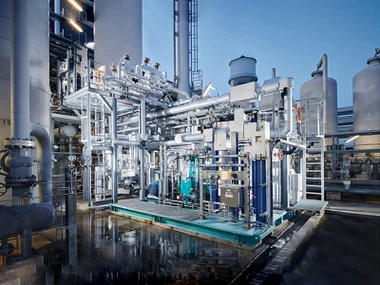
VPSA Technology: Large Oxygen Demand with Lower Energy Consumption
Vacuum Pressure Swing Adsorption (VPSA) technology is often selected when oxygen demand exceeds the practical range of conventional PSA systems.
Typical applications include:
- Gold mining
- Copper mining
- Glass furnaces
- Non-ferrous metallurgy
- Industrial combustion enhancement
Compared with PSA systems, VPSA technology generally offers:
- Larger production capacities
- Lower specific energy consumption
- Continuous operation for industrial processes
- Reduced operating costs at higher flow rates
For users requiring several hundred to several thousand cubic meters of oxygen per hour, VPSA often provides the most attractive balance between capital investment and operating efficiency.
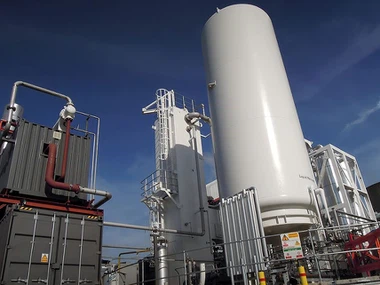
Cryogenic Air Separation: The Backbone of Large-Scale Industrial Gas Supply
When industrial gas demand reaches a large scale, Cryogenic Air Separation Units (ASUs) become the preferred technology.
Cryogenic systems separate atmospheric air into:
- Oxygen (GOX / LOX)
- Nitrogen (GAN / LIN)
- Argon (GAR / LAR)
These systems support industries such as:
Steel Manufacturing
Large volumes of oxygen are required for blast furnaces, electric arc furnaces, and steel refining processes.
Petrochemical and Refining
Nitrogen is widely used for inerting, purging, and safety applications.
LNG and Gasification Projects
Cryogenic plants provide reliable nitrogen supply for process operations and storage systems.
Semiconductor Manufacturing
Ultra-high purity nitrogen is essential for modern semiconductor production facilities.
Bulk Industrial Gas Supply
Cryogenic systems enable liquid oxygen, liquid nitrogen, and liquid argon production for regional distribution networks.
PSA, VPSA, or Cryogenic: Which Technology Is Right?
There is no universal answer.
The optimal solution depends on:
- Required gas type
- Flow rate
- Purity requirements
- Site conditions
- Power availability
- Logistics infrastructure
- Future expansion plans
In many cases, these technologies are not competitors.
Instead, they complement each other and serve different stages of industrial development.
A hospital may benefit from a containerized PSA oxygen plant.
A mining operation may choose VPSA oxygen generation.
A large steel mill may require a complete cryogenic air separation unit.
Each solution has its place.
Beyond Equipment: Building Sustainable Gas Supply Strategies
Successful industrial gas projects are not defined solely by equipment specifications.
They are defined by selecting the right technology for the right application.
As industrial gas demand continues to evolve, users increasingly seek partners who understand multiple technologies and can provide objective recommendations based on operational requirements.
At NEWTEK GROUP, we view industrial gas supply as a long-term strategy rather than a single equipment purchase.
Whether the application requires PSA, VPSA, Cryogenic Air Separation, or future carbon dioxide recovery solutions, the goal remains the same:
Delivering reliable, efficient, and sustainable industrial gas solutions.
About NEWTEK GROUP
NEWTEK GROUP is an Industrial Gas Solution Provider specializing in:
- PSA Oxygen Generation Systems
- PSA Nitrogen Generation Systems
- VPSA Oxygen Plants
- Cryogenic Air Separation Units (ASUs)
- Containerized Gas Solutions
- Cylinder Filling Systems
- Industrial Gas Project Integration
Website:
www.newtek-group.com
www.newtekgas.com