

 日本語
日本語 한국어
한국어 Français
 Deutsch
 Español
 Italiano
 Português
 Việt Nam
 Türkçe
 عربي
عربي  русский
  简体中文
简体中文 Čeština
 ไทย
ไทย Eesti
Eesti Gaeilgenah Éireann
 Bai Miaowen
 íslenska
 Cymraeg
 Български
 اردو
اردو Polski
 hrvatski
 українська
 bosanski
 فارسی
فارسی Lietuvių
 Latviešu
 עברית
עברית România limbi
 Ελληνικά
 dansk
dansk magyar
 Norsk
Norsk suomi
suomi Nederlands
 Svenska
 slovenčina
 slovenščina
 हिंदी
हिंदी Indonesia
 Melayu
 Malti
Malti Kreyòl Ayisyen
 Català
 বাংলা
বাংলা Srbija jezik (latinica)
 O'zbek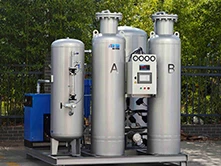


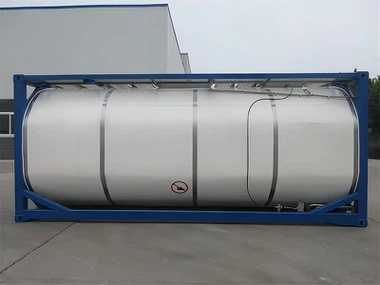

PSA Oxygen Plant Sustainability: Key Strategies For Long-Term Oxygen Supply Reliability
Apr 13, 2026
Leave a message
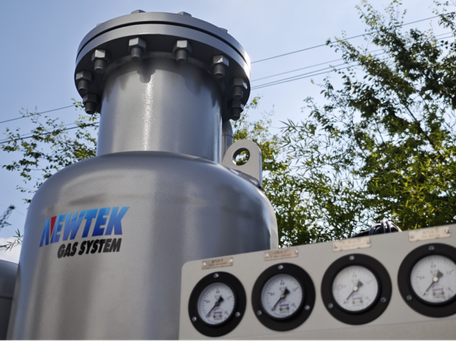
As global healthcare systems continue to strengthen oxygen infrastructure, Pressure Swing Adsorption (PSA) oxygen plants have become a cornerstone for on-site oxygen generation. However, installing a PSA oxygen plant is only the first step-long-term sustainability, operational efficiency, and lifecycle performance are the real determinants of success.
According to global health guidance, PSA oxygen systems must be integrated into a broader oxygen ecosystem that includes infrastructure, human resources, financing, and energy systems to ensure continuous and reliable oxygen delivery.
This article explores key sustainability considerations for PSA oxygen plants while highlighting how modern solutions can optimize performance and reduce total cost of ownership.
What Is a PSA Oxygen Plant?
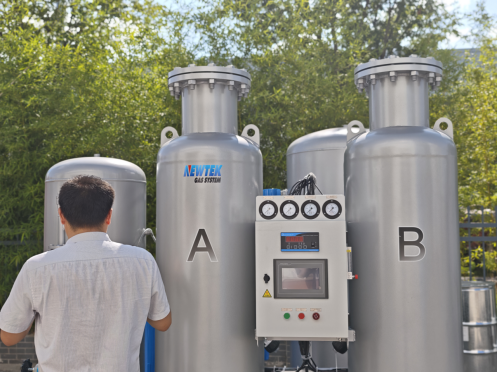
A PSA Oxygen Generator is an on-site gas generation system that separates oxygen from compressed air using molecular sieves. These systems typically deliver 90–95% purity oxygen and operate continuously with automated control systems.
Compared with traditional oxygen supply methods (cylinders or liquid oxygen), PSA systems offer:
●On-demand oxygen production
●Lower logistics and transportation costs
●Improved supply reliability
Reduced dependency on external suppliers
Why Sustainability Matters in PSA Oxygen Systems
Sustainability in PSA oxygen plants goes beyond environmental concerns-it includes:
●Operational continuity
●Financial viability
●Technical reliability
Healthcare coverage expansion
A PSA plant is part of a larger oxygen delivery network, involving stakeholders such as:
●Hospital administrators
●Biomedical engineers
●Government policymakers
●Equipment suppliers
Ensuring sustainability requires a lifecycle approach-from design and procurement to operation and maintenance.

Proper Plant Sizing and Demand Matching
One of the most critical sustainability factors is correct plant sizing.
Best Practices:
●Size the plant based on future demand, not just current consumption
●Regularly compare oxygen production vs. actual usage
●Expand distribution networks if capacity is underutilized
●Add backup systems if demand exceeds supply
Incorrect sizing can lead to:
Underutilization (wasted investment)
Overloading (system failure risk)
Strengthening Oxygen Distribution Systems
A PSA plant alone cannot ensure oxygen accessibility. A sustainable system must include:
●Medical Gas Pipeline Systems (MGPS)
●Cylinder filling and distribution networks
●Adequate cylinder inventory and logistics
Expanding oxygen access to surrounding healthcare facilities significantly improves healthcare coverage efficiency.
Energy Efficiency and Power Reliability
Energy is the largest operational cost driver in PSA oxygen plants.
Air compressors account for 60–80% of total energy consumption
Unstable power supply can disrupt oxygen generation
Optimization Strategies:
●Use variable-speed compressors
●Implement energy-efficient adsorption systems
●Integrate backup power (generators or hybrid energy systems)
●Improving energy efficiency directly reduces operating expenses and carbon footprint.
Maintenance and Technical Capacity
Sustainable PSA plant operation requires skilled personnel and structured maintenance systems.
Key Requirements:
●Routine preventive maintenance
●Availability of spare parts
●Trained technicians and engineers
●Service contracts with reliable suppliers
Lack of technical expertise is one of the most common barriers, especially in remote or resource-limited settings.
Infrastructure and Environmental Considerations
PSA oxygen plants must operate in controlled environments:
●Proper ventilation and temperature control
●Clean, dust-free air intake
●Stable installation foundation
Environmental conditions directly affect:
●Adsorbent lifespan
●Oxygen purity
●System reliability
Financial Sustainability and Lifecycle Cost
A sustainable PSA solution focuses on Total Cost of Ownership (TCO) rather than just initial investment.
Cost Factors:
●Equipment procurement
●Energy consumption
●Maintenance and spare parts
●Labor and training
PSA systems are generally 30–50% more cost-effective than liquid oxygen supply over time due to reduced logistics and operational expenses.
Backup Systems and Redundancy Planning
To ensure uninterrupted oxygen supply, facilities should implement:
●Secondary oxygen sources
●Cylinder reserves
●Redundant PSA units
This is especially critical for:
●ICU operations
●Emergency response scenarios
●High-demand hospitals
Integration Into National Oxygen Ecosystems
PSA plants should not operate in isolation. Instead, they must align with:
●National oxygen strategies
●Healthcare infrastructure planning
●Emergency preparedness systems
This integrated approach ensures scalability and resilience across the healthcare system.
Advantages of Sustainable PSA Oxygen Plants
When properly designed and managed, PSA oxygen plants deliver:
●Continuous oxygen availability
●Reduced operational costs
●High reliability and automation
●Lower environmental impact
●Scalable and modular deployment
They are widely recognized as a gold-standard solution for decentralized oxygen supply across healthcare and industrial sectors.
Conclusion
Sustainability is the defining factor in the long-term success of PSA oxygen plants. From correct sizing and energy optimization to maintenance and ecosystem integration, every stage of the lifecycle must be carefully planned and executed.
Organizations investing in PSA technology should prioritize:
●Lifecycle cost efficiency
●Operational reliability
●Skilled workforce development
●Infrastructure readiness
By adopting these best practices, PSA oxygen plants can deliver safe, continuous, and cost-effective oxygen supply, supporting healthcare systems worldwide and improving patient outcomes.
FAQ
1. What is the ideal lifespan of a PSA oxygen plant?
With proper maintenance, PSA systems can operate reliably for 10–15 years or more.
2. How can energy consumption be reduced?
Using efficient compressors, smart control systems, and optimized adsorption cycles can significantly lower energy use.
3. Why is plant sizing so important?
Incorrect sizing leads to inefficiency-either wasted capacity or insufficient oxygen supply.
4. What are the main operational risks?
Power instability
Lack of trained technicians
Poor maintenance practices
5. Can PSA plants replace oxygen cylinders completely?
In many cases, yes-but backup cylinder systems are still recommended for redundancy.
6. Is PSA oxygen suitable for remote hospitals?
Yes. PSA systems are ideal for on-site oxygen generation, especially in areas with limited logistics infrastructure.