

 日本語
日本語 한국어
한국어 Français
 Deutsch
 Español
 Italiano
 Português
 Việt Nam
 Türkçe
 عربي
عربي  русский
  简体中文
简体中文 Čeština
 ไทย
ไทย Eesti
Eesti Gaeilgenah Éireann
 Bai Miaowen
 íslenska
 Cymraeg
 Български
 اردو
اردو Polski
 hrvatski
 українська
 bosanski
 فارسی
فارسی Lietuvių
 Latviešu
 עברית
עברית România limbi
 Ελληνικά
 dansk
dansk magyar
 Norsk
Norsk suomi
suomi Nederlands
 Svenska
 slovenčina
 slovenščina
 हिंदी
हिंदी Indonesia
 Melayu
 Malti
Malti Kreyòl Ayisyen
 Català
 বাংলা
বাংলা Srbija jezik (latinica)
 O'zbek


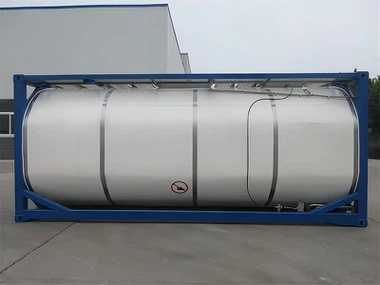

Carbon Dioxide Capture Plant Recovery Agent
Sep 01, 2024
Leave a message
he absorbent of the chemical absorption method is easily consumed and needs to be constantly replenished. At the same time, the absorbent will corrode the equipment. In addition, due to the high water content in the absorbent, the regeneration energy consumption during operation is high. At present, there have been many studies on the development of two-phase absorbents at home and abroad, which is expected to improve the problems of absorbent corrosion, volatilization and high energy consumption. Compared with the chemical absorption method, the adsorption method uses zeolite and other adsorbents to capture CO2. The adsorption/regeneration process is simple to operate, has the advantages of no degradation and no corrosion, and no harmful secondary products are generated. It shows advantages and potential in large-scale CO2 capture applications. Adsorption processes such as DR-VPSA, AD Asorb, and Two-stage VPSA have been pilot-tested or are in the experimental verification stage.
The adsorption method uses the difference in the adsorption capacity of the adsorbent for CO2 at different temperatures/pressures to achieve CO2 separation and recovery, including two stages of adsorption and desorption. According to the different desorption methods, it can be divided into pressure swing adsorption, temperature swing adsorption, and temperature swing pressure swing coupled adsorption process. However, the current adsorption method also has the problems of high energy consumption when treating low-concentration CO2 flue gas, and low CO2 product gas concentration and recovery rate. Therefore, the adsorption method may be more suitable for the treatment of raw gas with higher concentrations. There are many related case studies on the adsorption technology for capturing CO2 in flue gas at home and abroad, most of which are in the laboratory development or pilot stage, and there are few large-scale commercial applications.