

 日本語
日本語 한국어
한국어 Français
 Deutsch
 Español
 Italiano
 Português
 Việt Nam
 Türkçe
 عربي
عربي  русский
  简体中文
简体中文 Čeština
 ไทย
ไทย Eesti
Eesti Gaeilgenah Éireann
 Bai Miaowen
 íslenska
 Cymraeg
 Български
 اردو
اردو Polski
 hrvatski
 українська
 bosanski
 فارسی
فارسی Lietuvių
 Latviešu
 עברית
עברית România limbi
 Ελληνικά
 dansk
dansk magyar
 Norsk
Norsk suomi
suomi Nederlands
 Svenska
 slovenčina
 slovenščina
 हिंदी
हिंदी Indonesia
 Melayu
 Malti
Malti Kreyòl Ayisyen
 Català
 বাংলা
বাংলা Srbija jezik (latinica)
 O'zbek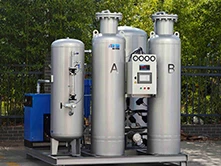


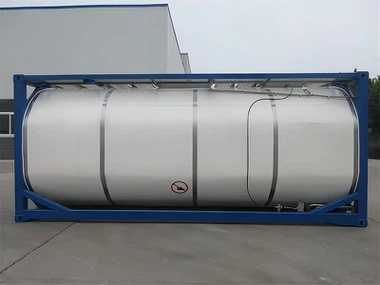

Air Separation Unit (ASU): Working Principle And Applications
May 24, 2025
Leave a message
As industrial development continues to advance, the Air Separation Unit (ASU) has become an indispensable core equipment, playing a critical role in meeting the growing demand for high-purity industrial gases across various sectors. By efficiently separating atmospheric air into its constituent gases-primarily nitrogen, oxygen, argon, and other rare gases-ASUs provide reliable, cost-effective solutions for large-scale gas production. This article delves into the technical principles, structural components, and diverse applications of ASUs, drawing on expertise in cryogenic engineering and industrial gas system design
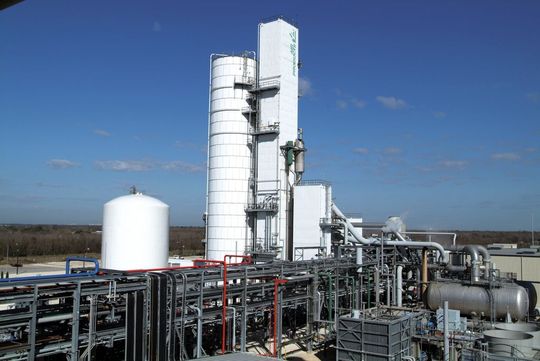
What is an Air Separation Unit?
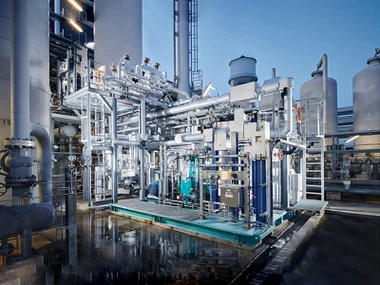
An Air Separation Unit (ASU) is a sophisticated industrial system designed to fractionate atmospheric air into its primary components through cryogenic processes. Typically comprising air compressors, purification systems, heat exchangers, cryogenic cooling modules, and distillation columns, ASUs leverage the differences in boiling points of gases to achieve high-purity separation. This technology is widely adopted in industries requiring bulk supply of nitrogen (N₂), oxygen (O₂), argon (Ar), and trace gases such as neon (Ne) or helium (He), ensuring a stable supply of gases with purity levels often exceeding 99.5%.
How Does an Air Separation Unit Work?
The core principle of an ASU relies on cryogenic fractional distillation, a multi-stage process that converts air into a liquid state before separating its components. Here's a detailed breakdown of its operational phases:

1. Compression
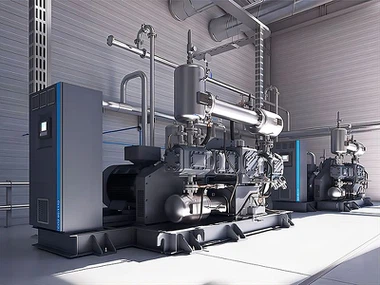
Atmospheric air is first drawn into the system and compressed to pressures ranging from 5 to 10 bar gauge. This step increases the air's density, facilitating efficient cooling and liquefaction in subsequent stages while minimizing energy consumption.
2. Purification
The compressed air undergoes rigorous purification to remove impurities like moisture, carbon dioxide (CO₂), and hydrocarbons. These contaminants are eliminated using molecular sieves or adsorbers to prevent freezing and blockages in cryogenic components, ensuring the integrity of the separation process and the purity of the final gases.
3. Cryogenic Cooling
The purified air is then cooled to cryogenic temperatures (-160°C to -200°C) through a network of heat exchangers and refrigeration cycles. This process gradually condenses the air into liquid air, a crucial prerequisite for distillation-based separation.
4. Fractional Distillation
The liquefied air is fed into a multi-column distillation system:
Low-Pressure Column: Separates liquid air into oxygen-rich liquid (boiling point: -183°C) and nitrogen-rich vapor (boiling point: -196°C).
High-Pressure Column (if applicable): Further refines nitrogen or produces argon (boiling point: -186°C) as a byproduct.
As the liquid ascends the columns, components vaporize at their respective boiling points. For example, nitrogen vaporizes first and rises to the top of the column, while liquid oxygen collects at the bottom. Argon, when separated, is typically extracted from intermediate sections.
5. Gas Collection and Distribution
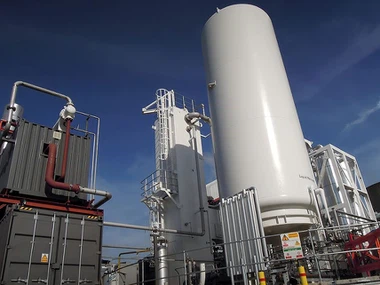
The separated gases are either stored in pressurized tanks (for gaseous products) or cryogenic tanks (for liquid products) before being transported to end-users. Distribution methods include pipeline networks, tankers, or on-site delivery, tailored to the specific purity and volume requirements of each industry.
Key Applications of Air Separation Units

1. Healthcare and Life Sciences
Medical Oxygen: Critical for hospital ventilation systems, anesthesia, and emergency care, requiring purity levels of 99.5% or higher.
Laboratory Gases: High-purity nitrogen and argon for analytical instruments (e.g., gas chromatographs) and biopharmaceutical manufacturing.
2. Industrial Manufacturing
Metallurgy: Oxygen enrichment in steelmaking to enhance furnace efficiency; nitrogen for metal annealing and welding shielding.
Semiconductors: Ultra-high-purity nitrogen (99.999%) and argon for cleanroom environments and semiconductor fabrication processes.
Chemical Production: Oxygen as a reactant in ammonia and methanol synthesis; nitrogen for inerting flammable solvents.
3. Energy and Environmental Technologies
Power Generation: Oxygen-blown combustion in coal-fired plants to reduce emissions; nitrogen for turbine maintenance and fire suppression.
Renewable Energy: Cryogenic storage of hydrogen (H₂) and methane (CH₄) for energy grids; oxygen for fuel cell production.
4. Food and Beverage Industry
Nitrogen Packaging: Extends shelf life by displacing oxygen in food containers, preventing spoilage and microbial growth.
Brewing and Beverage Carbonation: High-purity CO₂ (often derived from ASU byproducts) for carbonated drinks and beer keg systems.
Advanced ASU Solutions by NEWTEK
With over 20 years of expertise in cryogenic system design, NEWTEK stands at the forefront of ASU innovation. Our capabilities span the entire project lifecycle, from conceptual design to turnkey implementation, ensuring alignment with international standards (e.g., ISO 13485, ASME BPVC).
Core Competencies:
Modular ASU Design: Prefabricated containerized systems for rapid deployment, featuring advanced brazed aluminum heat exchangers and compact distillation columns.
Energy-Efficient Solutions: Integration of turbo-expanders and waste heat recovery systems to reduce specific energy consumption by up to 15% compared to traditional designs.
Cryogenic Piping Systems: Custom-engineered vacuum-insulated pipelines (VIP) and pipe-in-pipe systems for minimal heat loss during liquid gas transport.
Notable Projects:
Modular ASU for Southeast Asian Refinery: Delivered a 500 t/d oxygen ASU with rapid cooling technology, achieving 99.6% O₂ purity and 98% nitrogen recovery.
Cryogenic Pipeline Network for European Steel Mill: Installed a 2 km vacuum-insulated pipeline system in Poland, reducing liquid oxygen boil-off losses to <0.1% per day.
Argon Recovery Unit for Australian Mine: Designed a standalone argon column to extract 99.99% pure Ar from an existing ASU, enhancing byproduct value for the mining client.
Conclusion
Air separation Plant are the backbone of modern industrial gas supply, enabling efficient, large-scale production of critical gases while supporting sustainability goals through energy optimization and low-emission operations. As industries increasingly demand higher purity and smarter gas management, advanced ASU technologies-such as modular designs and hybrid separation processes-will continue to drive innovation.
For customized ASU solutions tailored to your operational needs, contact NEWTEK. Our team of cryogenic specialists is committed to delivering cutting-edge systems that balance performance, reliability, and cost-efficiency.
Visit NEWTEK ASU Solutions to explore our full range of industrial gas solutions.