

 日本語
 한국어
 Français
 Deutsch
 Español
 Italiano
 Português
 Việt Nam
 Türkçe
 عربي
 русский
 简体中文
 Čeština
 ไทย
 Eesti
 Gaeilgenah Éireann
 Bai Miaowen
 íslenska
 Cymraeg
 Български
 اردو
 Polski
 hrvatski
 українська
 bosanski
 فارسی
 Lietuvių
 Latviešu
 עברית
 România limbi
 Ελληνικά
 dansk
 magyar
 Norsk
 suomi
 Nederlands
 Svenska
 slovenčina
 slovenščina
 हिंदी
 Indonesia
 Melayu
 Malti
 Kreyòl Ayisyen
 Català
 বাংলা
 Srbija jezik (latinica)
 O'zbek


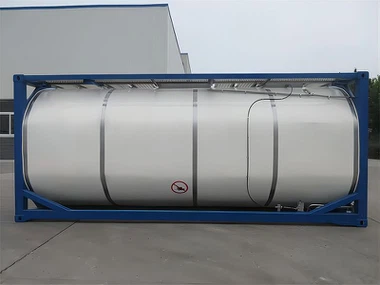


Oxygen Generator For Paper And Pulp Industry
Description
Technical Parameters
Applications of Oxygen Generators in Paper and Pulp:
Oxygen Delignification:
Removes residual lignin after cooking, enhancing pulp quality and reducing chemical use.
Oxygen consumption: 20–30 kg O₂/BDMT.
Oxygen Bleaching:
Improves pulp brightness without harmful chlorine-based chemicals.
Oxygen consumption: 10–15 kg O₂/BDMT.
Black Liquor Oxidation:
Minimizes sulfur emissions by oxidizing black liquor.
Oxygen consumption: up to 100 kg O₂/BDMT.
Wastewater Treatment:
Enhances biological treatment with oxygen-enriched processes, promoting cleaner discharge.

Working Principle of Industrial Oxygen Generators
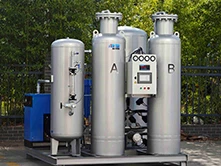
Industrial oxygen generators utilizing Pressure Swing Adsorption (PSA) technology produce high-purity oxygen by extracting it from compressed air. The key to the PSA process lies in the use of Zeolite Molecular Sieves (ZMS), which have a unique ability to selectively adsorb nitrogen molecules.
How PSA Oxygen Generation Works:
Air Compression:
Ambient air is drawn in and compressed to the required pressure.
The compressed air contains approximately 78% nitrogen, 21% oxygen, and trace gases.
Nitrogen Adsorption:
The compressed air passes through a vessel containing zeolite molecular sieves (ZMS).
ZMS traps nitrogen molecules within its porous structure, allowing oxygen to pass through as the primary gas.
Oxygen Collection:
Once nitrogen is captured, oxygen flows out as product gas with a purity of 90% to 95%.
The oxygen is collected and stored for immediate or future use.
Pressure Swing Regeneration:
When the ZMS becomes saturated with nitrogen, the pressure is released to desorb the trapped nitrogen.
This regenerates the ZMS, making it ready for the next cycle.
Continuous Operation:
PSA systems typically use dual adsorption columns that alternate between adsorption and regeneration, ensuring a constant supply of oxygen.
Advantages of PSA Oxygen Generators:
On-Demand Oxygen: Produces oxygen as needed, eliminating the need for storage or deliveries.
Cost-Effective: Reduces dependency on external oxygen suppliers and expensive liquid oxygen storage systems.
Eco-Friendly: Uses ambient air as the raw material, with no harmful by-products.
Reliable and Low Maintenance: Minimal moving parts make PSA generators highly durable and easy to maintain.
PSA oxygen generators provide a sustainable, efficient, and cost-effective way to meet the oxygen demands of industries like pulp and paper, healthcare, and wastewater treatment.
Hot Tags: oxygen generator for paper and pulp industry, China oxygen generator for paper and pulp industry , suppliers, factory, Psa Oxygen Plant
Send Inquiry
Get in Touch
Write Your Message


