

 日本語
日本語 한국어
한국어 Français
 Deutsch
 Español
 Italiano
 Português
 Việt Nam
 Türkçe
 عربي
عربي  русский
  简体中文
简体中文 Čeština
 ไทย
ไทย Eesti
Eesti Gaeilgenah Éireann
 Bai Miaowen
 íslenska
 Cymraeg
 Български
 اردو
اردو Polski
 hrvatski
 українська
 bosanski
 فارسی
فارسی Lietuvių
 Latviešu
 עברית
עברית România limbi
 Ελληνικά
 dansk
dansk magyar
 Norsk
Norsk suomi
suomi Nederlands
 Svenska
 slovenčina
 slovenščina
 हिंदी
हिंदी Indonesia
 Melayu
 Malti
Malti Kreyòl Ayisyen
 Català
 বাংলা
বাংলা Srbija jezik (latinica)
 O'zbek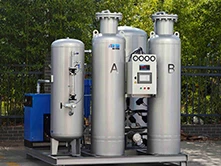


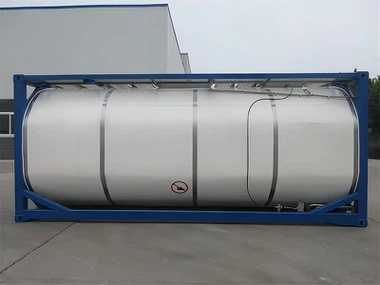


Asu Unit
Description
Technical Parameters
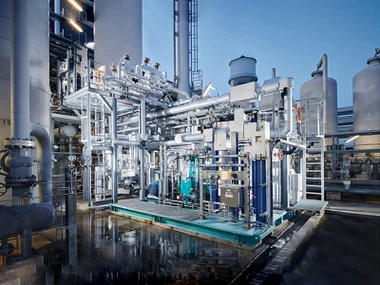
In the steel industry, the pure oxygen provided by ASU unit is used in blast furnace ironmaking, which can improve iron production and quality and reduce energy consumption; in the chemical industry, the oxygen and nitrogen it produces are key raw materials for many chemical reactions, ensuring smooth production; in electronic manufacturing, high-purity gases are used in processes such as chip manufacturing to ensure product quality; in the medical industry, high-purity oxygen is a necessity for saving lives and maintaining respiratory treatment. Therefore, ASU unit plays an indispensable role in industrial production and social life.

ASU Process

Air compression
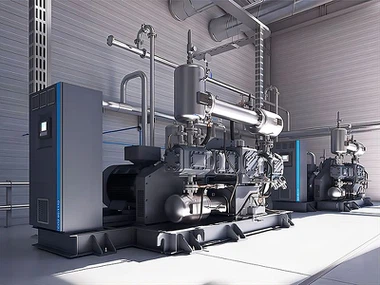
Use multi-stage centrifugal/reciprocating compressors to pressurize ambient air to 0.6-1.2MPa, "accumulate power" for subsequent processes, and build a power foundation for gas separation.
Air purification
The compressed air flows into the molecular sieve adsorber to accurately screen out impurities such as moisture, carbon dioxide, and hydrocarbons, avoid impurities freezing and blocking equipment at low temperatures, and protect the smooth operation of the system.
Deep refrigeration
The purified air first enters the main heat exchanger, exchanges heat with the low-temperature reflux gas, and cools to near liquefaction temperature; then expands through the expander to further cool the air to convert it into a liquefied state.
Distillation separation
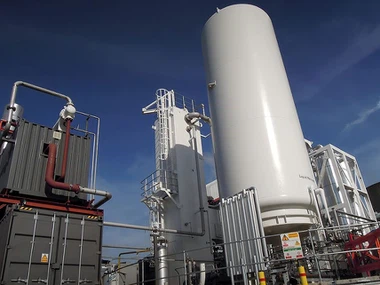
The liquefied air enters the distillation tower, and uses the boiling point difference between oxygen and nitrogen to separate the components through multiple partial evaporations + condensations, producing high-purity industrial gases such as oxygen and nitrogen.
FAQ
1. Can the gas output purity of ASU equipment meet the standard stably?
ASU adopts precise distillation control technology and is equipped with an online purity monitoring system to control the temperature, pressure and reflux ratio in the distillation tower in real time. As long as the cleanliness of the raw air meets the pretreatment standards, the oxygen purity is stable at 99.5%+ and the nitrogen purity is 99.999%+, which can adapt to high-purity demand scenarios such as electronics and medical care.
2. Is the energy consumption of the equipment high? How to control the later operating costs?
Advanced ASU uses a full low-pressure process + high-efficiency heat exchanger, combined with an intelligent variable frequency compressor, which reduces energy consumption by 15% - 20% compared with traditional equipment. And through the remote operation and maintenance system, the operating parameters can be dynamically optimized to reduce ineffective energy consumption; at the same time, the standardized design of wearing parts (such as molecular sieves) can reduce the cost of spare parts replacement, making long-term operation more economical.
3. Our production line demand is changeable, can the equipment flexibly adjust the gas volume?
The equipment supports flexible adjustment under multiple working conditions. Through the DCS control system, the gas production rate can be smoothly adjusted within the designed range (such as 30% - 110% load). With the storage tank buffer, it can not only meet the peak gas demand, but also save energy and standby at low load, which is suitable for fluctuating gas demand scenarios in industries such as chemical and steel.
Hot Tags: asu unit, China asu unit , suppliers, factory, Air Separation Unit, Small Air Separation Unit
Previous
Asu Air Separation UnitsSend Inquiry
Get in Touch
Write Your Message


