

 日本語
日本語 한국어
한국어 Français
 Deutsch
 Español
 Italiano
 Português
 Việt Nam
 Türkçe
 عربي
عربي  русский
  简体中文
简体中文 Čeština
 ไทย
ไทย Eesti
Eesti Gaeilgenah Éireann
 Bai Miaowen
 íslenska
 Cymraeg
 Български
 اردو
اردو Polski
 hrvatski
 українська
 bosanski
 فارسی
فارسی Lietuvių
 Latviešu
 עברית
עברית România limbi
 Ελληνικά
 dansk
dansk magyar
 Norsk
Norsk suomi
suomi Nederlands
 Svenska
 slovenčina
 slovenščina
 हिंदी
हिंदी Indonesia
 Melayu
 Malti
Malti Kreyòl Ayisyen
 Català
 বাংলা
বাংলা Srbija jezik (latinica)
 O'zbek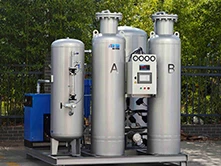


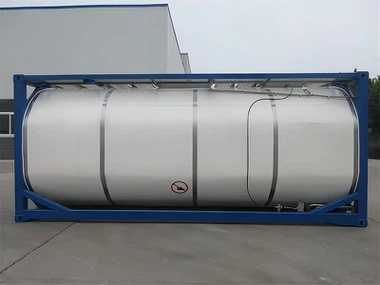


Oxygen Solutions For Biogas and Renewable Energy
Description
Technical Parameters
Products Description

Key benefits of oxygen solutions in biogas production:
Hydrogen Sulfide Removal: The main role of oxygen in biogas plants is to oxidize hydrogen sulfide (H₂S) into elemental sulfur, effectively eliminating this harmful contaminant from the gas stream.
On-Site Oxygen Generation: Rather than relying on external oxygen deliveries, many biogas facilities utilize dedicated oxygen generators to produce oxygen on-site. This approach ensures a reliable and cost-effective supply of oxygen.
Microdosing: Oxygen is precisely micro-dosed into the digester headspace to enhance the desulfurization process. This method optimizes H₂S removal without disrupting the activity of the anaerobic bacteria responsible for biogas production.
Advantages of oxygen solutions in biogas production
Cost Efficiency
On-site oxygen generation is typically more affordable than relying on bottled oxygen, helping to reduce operational costs in the long term.
Reliable Supply
With on-site oxygen production, biogas plants can ensure a continuous and dependable supply of oxygen, eliminating the need to depend on external deliveries.
Environmental Benefits
By producing oxygen locally, the need for transportation and delivery of oxygen cylinders is minimized, significantly lowering the carbon footprint and contributing to a more sustainable operation.
Key factors to consider when using oxygen in biogas plants:
Oxygen Purity:
Oxygen purity for biogas desulfurization typically ranges from 90% to 95%, depending on the specific biogas production process. Higher purity oxygen ensures that hydrogen sulfide (H2S) is effectively oxidized to sulfur, preventing damage to plant equipment and improving the overall quality of the biogas. The purity level should be tailored to the needs of the biogas plant, as it directly influences the efficiency of the desulfurization process and the operational cost.
Monitoring and Control:
Precise monitoring and control of oxygen levels within the digester are essential to ensure the optimal removal of H2S while maintaining biogas production efficiency. Real-time data from sensors helps to adjust oxygen dosing as needed, preventing both under- or over-supply of oxygen. This ensures that the desulfurization process is neither inefficient nor disruptive to the anaerobic bacteria responsible for methane production, maximizing both gas quality and yield.
Oxygen Injection Rate:
The oxygen injection rate is a key factor in ensuring effective desulfurization without disturbing the delicate anaerobic conditions required for biogas production. By carefully controlling the rate at which oxygen is introduced into the digester, the system ensures sufficient H2S removal while preserving the microbial balance responsible for methane production. Proper dosing also prevents incomplete removal of hydrogen sulfide, ensuring that biogas meets quality standards for energy generation and reduces maintenance costs related to corrosion.
System Design and Integration:
A well-designed and integrated oxygen injection system ensures the efficient distribution of oxygen throughout the biogas plant. From selecting the optimal injector placement to designing the system for seamless integration with existing infrastructure, thoughtful system design minimizes operational disruptions. scalable systems allow for future expansion or adjustment based on fluctuations in biogas production volumes, ensuring long-term sustainability and cost-effectiveness as plant output grows or varies.
FAQ
1. Why is oxygen purity important for biogas desulfurization?
Oxygen purity, typically between 90% and 95%, is crucial because it ensures the efficient oxidation of hydrogen sulfide (H2S) into sulfur. Insufficient oxygen purity may result in incomplete desulfurization, leading to the presence of harmful H2S in the biogas, which can damage equipment and reduce biogas quality.
2. How does monitoring oxygen levels help in biogas production?
Monitoring oxygen levels ensures that the desulfurization process is optimized. Accurate monitoring helps adjust oxygen injection in real-time, preventing both the under- or over-supply of oxygen, which could impact biogas production and the efficiency of anaerobic digestion.
3. What happens if the oxygen injection rate is too high or too low?
If the oxygen injection rate is too high, it can disturb the anaerobic conditions necessary for methane production, negatively affecting biogas yield. Conversely, too little oxygen will result in ineffective removal of H2S, leaving harmful impurities in the biogas.
4. How is the oxygen injection system integrated into a biogas plant?
The oxygen injection system should be integrated with the plant's existing infrastructure, ensuring even distribution of oxygen in the digester. Proper placement of injectors and the ability to adjust oxygen levels based on real-time data are key to maximizing efficiency.
5. Can the oxygen system be scaled for different biogas production volumes?
Yes, the oxygen injection system can be easily scaled to accommodate varying biogas production volumes. Scalable systems ensure flexibility, allowing for more or less oxygen to be supplied based on the size and output of the biogas plant.
Hot Tags: Oxygen Solutions For Biogas and Renewable Energy, China Oxygen Solutions For Biogas and Renewable Energy , suppliers, factory, Psa Oxygen Plant
Send Inquiry
Get in Touch
Write Your Message


