

 日本語
日本語 한국어
한국어 Français
 Deutsch
 Español
 Italiano
 Português
 Việt Nam
 Türkçe
 عربي
عربي  русский
  简体中文
简体中文 Čeština
 ไทย
ไทย Eesti
Eesti Gaeilgenah Éireann
 Bai Miaowen
 íslenska
 Cymraeg
 Български
 اردو
اردو Polski
 hrvatski
 українська
 bosanski
 فارسی
فارسی Lietuvių
 Latviešu
 עברית
עברית România limbi
 Ελληνικά
 dansk
dansk magyar
 Norsk
Norsk suomi
suomi Nederlands
 Svenska
 slovenčina
 slovenščina
 हिंदी
हिंदी Indonesia
 Melayu
 Malti
Malti Kreyòl Ayisyen
 Català
 বাংলা
বাংলা Srbija jezik (latinica)
 O'zbek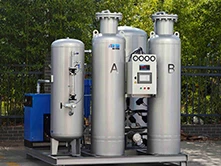


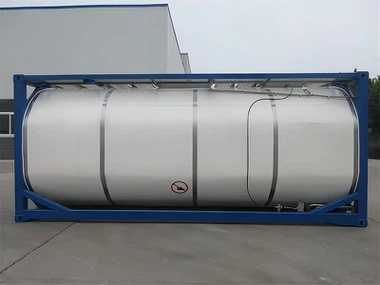


Compressed Oxygen For Biogas Production
Description
Technical Parameters
Product Description
On-site oxygen generation is an efficient and cost-effective solution for biogas production. Oxygen (O2) plays a key role in the process, especially in removing hydrogen sulfide (H2S), a harmful byproduct of biogas production that must be removed from the biogas to prevent corrosion and equipment damage.
Oxygen dosing is the most sustainable and cost-effective way to remove hydrogen sulfide. Trace amounts of oxygen are dosed into the digester headspace, where the sulfur is effectively removed. This makes on-site oxygen generation an ideal choice for biogas plants.
The OGP+ system provides oxygen concentrations of 90% to 95%. For example, if your requirement is only 93% oxygen purity, you can simply press a button and the oxygen generator will provide the required concentration, avoiding the need to pay for a higher purity. This makes the cost of producing oxygen on-site significantly lower than the cost of bottled or liquid oxygen.

Workflow: Application of compressed oxygen in biogas production
Organic waste feeding
During the biogas production process, organic waste such as agricultural and forestry waste, garbage or sewage is fed into the digester and fermented in the absence of oxygen to produce biogas.
Hydrogen sulfide generation
During the fermentation of organic waste, harmful byproducts such as hydrogen sulfide (H2S) are produced. Hydrogen sulfide corrodes equipment and reduces the quality of biogas, so it needs to be removed.
Oxygen supply
Compressed oxygen is provided directly to the digester head space through an on-site oxygen generator. Oxygen concentrations are usually between 90% and 95%, which are adjusted as needed to ensure that only the required amount of oxygen is provided to avoid waste.
Hydrogen sulfide removal
Oxygen is fed into the digester and reacts with hydrogen sulfide to produce harmless sulfides (such as sulfur), effectively removing hydrogen sulfide. This process improves the quality of biogas and protects downstream equipment.
Biogas collection
The biogas after hydrogen sulfide removal is collected and stored. The purified biogas can be used for energy production, thermal power generation or industrial purposes, further realizing the effective use of resources.
Gas emission monitoring
The oxygen dosage and biogas quality are monitored in real time through sensors and monitoring systems to ensure that the whole process is stable and efficient.
System feedback and adjustment
Based on real-time data, the on-site oxygen generation system can automatically adjust the oxygen concentration to ensure the optimization of hydrogen sulfide removal efficiency and minimize operating costs.
FAQ
Does biogas need oxygen?
Biogas a renewable fuel that's produced when organic matter, such as food or animal waste, is broken down by microorganisms in the absence of oxygen. This process is called anaerobic digestion. For this to take place, the waste material needs to be enclosed in an environment where there is no oxygen.
Why is oxygen kept out of a biogas generator?
Biogas systems use a process called anaerobic digestion. These systems are also known as anaerobic digestion reservoir (Fig. 3). Accordingly, during the process of anaerobic digestion, bacteria decompose organic matter in an oxygen-free environment.
Why should oxygen be prevented from entering a biogas digester?
Also, aerobic conversion of soluble organic matter into CO2 by aerobic respiration is likely. Thus, it was believed that reactor instabilities, slow start-ups, low methane yields and even total reactor failures might occur due to oxygen entering anaerobic digesters
What are the 4 stages of biogas production?
Biogas is produced by anaerobic bacteria that degrade organic matter in four general stages: hydrolysis, acidification, acetic acid production, and methane production. The gas phase product of anaerobic digestion is named biogas and its yield depends significantly on the substrate (raw material).
How do you make compressed biogas?
produce bio-gas through the process of anaerobic decomposition. The bio- gas is purified to remove hydrogen sulfide (H2S), carbon dioxide (CO2), water vapor and compressed as Compressed Bio Gas (CBG), which has methane (CH4) content of more than 90%.
Hot Tags: compressed oxygen for biogas production, China compressed oxygen for biogas production , suppliers, factory, Psa Oxygen Plant
Send Inquiry
Get in Touch
Write Your Message


