

 日本語
日本語 한국어
한국어 Français
 Deutsch
 Español
 Italiano
 Português
 Việt Nam
 Türkçe
 عربي
عربي  русский
  简体中文
简体中文 Čeština
 ไทย
ไทย Eesti
Eesti Gaeilgenah Éireann
 Bai Miaowen
 íslenska
 Cymraeg
 Български
 اردو
اردو Polski
 hrvatski
 українська
 bosanski
 فارسی
فارسی Lietuvių
 Latviešu
 עברית
עברית România limbi
 Ελληνικά
 dansk
dansk magyar
 Norsk
Norsk suomi
suomi Nederlands
 Svenska
 slovenčina
 slovenščina
 हिंदी
हिंदी Indonesia
 Melayu
 Malti
Malti Kreyòl Ayisyen
 Català
 বাংলা
বাংলা Srbija jezik (latinica)
 O'zbek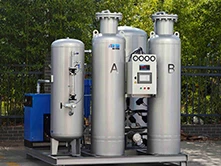
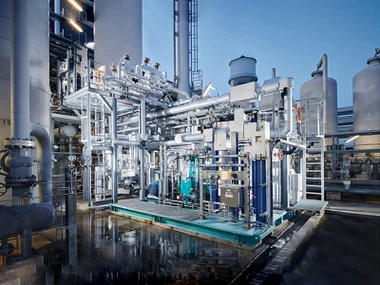
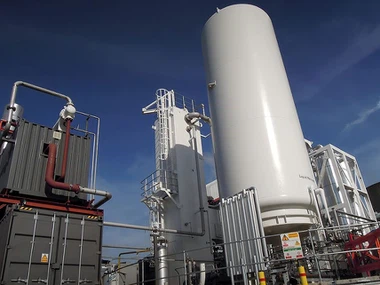


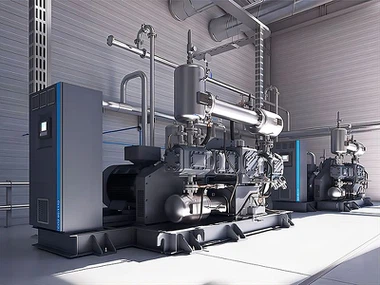
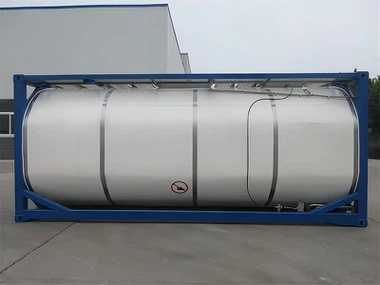


Oxygen Generators For Desulphurization Of Biogas
Description
Technical Parameters
Why do biogas plants need oxygen?
Oxygen is important for desulfurization of biogas plants and their equipment.
Some biomass feedstocks will cause biogas to contain high levels of sulfur, which reacts in biogas to form hydrogen sulfide. Hydrogen sulfide and water in the biomass mix to form alkaline sulfide, a highly corrosive and acidic mixture.
Adding oxygen to fermenters, equipment and tanks (i.e. biogas desulfurization) can promote bacterial growth, which in turn uses microorganisms to decompose hydrogen sulfide. When oxygen comes into contact with acidic and corrosive gases such as hydrogen sulfide, it can neutralize them.
This is crucial because the introduction of oxygen in the biogas production process can prevent harmful components in the biogas from corroding the process surfaces of the biogas plant, such as pipes and tank materials.

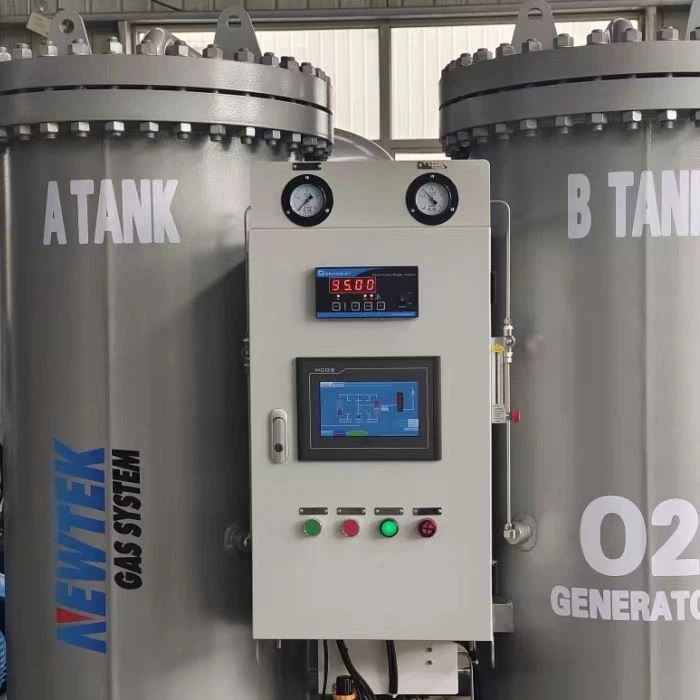
Benefits of On-site Oxygen Generation
An oxygen generator is a device that can produce oxygen through specific technologies and methods.
Working Principle
Pressure swing adsorption principle (PSA): using adsorbents such as zeolite molecular sieves to selectively adsorb impurity gases such as nitrogen and carbon dioxide in the air under high pressure, and oxygen passes through the adsorption tower to become product gas. When the adsorbent is close to saturation, the adsorbent is desorbed and regenerated by reducing the pressure, and multiple adsorption towers work alternately to achieve continuous oxygen production.
Principle of water electrolysis: water is decomposed into hydrogen and oxygen through an electrolytic cell, oxygen is produced at the anode, and hydrogen is produced at the cathode. In this process, direct current is required, and there are certain requirements for the design of electrode materials and electrolytic cells to ensure efficient and stable production of oxygen.
Cost Savings
Generally, the cost per CF of self-generated oxygen is one-third to one-half of that of continuously purchasing cylinder oxygen or cryogenic oxygen from gas suppliers. There are no shipping costs for on-site oxygen generation, and on-site oxygen generation systems can achieve cost recovery in as little as 18 months.
Reliability
Oxygen generation technology has a long history of development. On-site oxygen generation systems are not only reliable, but also easy to operate. It uses the surrounding air to generate the required oxygen, which ensures that users do not have to worry about oxygen shortages.
Enhanced Safety
The dangers and potential for personal injury caused by the need to transport oxygen cylinders are completely eliminated. Company employees no longer need to carry oxygen cylinders or unload them from trucks and transport them to the factory.
Flexible Applications
Another significant advantage of on-site oxygen generation is that it can be operated anywhere there is electricity and air.
FAQ
Why does biogas desulfurization require an oxygen generator?
Biogas desulfurization requires an oxygen generator because during the biogas production process, sulfur in the biomass is converted into hydrogen sulfide, which combines with water to form corrosive alkaline sulfides, which can damage the equipment of the biogas plant. The oxygen generator can provide oxygen for the desulfurization process and promote the growth of bacteria. These bacteria can decompose hydrogen sulfide through microorganisms. At the same time, oxygen can also neutralize acidic corrosive gases such as hydrogen sulfide to prevent equipment from being corroded.
What is the working principle of the oxygen generator for biogas desulfurization?
Oxygen generators for biogas desulfurization are usually based on the principle of pressure swing adsorption (PSA) or vacuum pressure swing adsorption (VPSA). Taking PSA as an example, it uses the property that the adsorbent has different adsorption capacities for impurities such as nitrogen and carbon dioxide in the air at different pressures. Air enters the adsorption tower equipped with adsorbent. Under high pressure, the adsorbent adsorbs the impurity gas, and oxygen passes through to become product gas. When the adsorbent is close to saturation, the pressure is reduced to desorb the impurity gas and the adsorbent is regenerated, thereby continuously producing oxygen to provide the required oxygen for biogas desulfurization.
How to choose the oxygen generator specifications suitable for biogas desulfurization?
There are several factors to consider when choosing the appropriate oxygen generator specifications. The first is the scale of the biogas plant, including the size of the fermentation tank and the biogas production. The larger the scale, the more oxygen is needed. The second is the sulfur content of the biomass raw materials. If the sulfur content is high, more oxygen is needed to ensure effective desulfurization. In addition, the requirements and efficiency of the desulfurization process must be considered. These factors are combined to determine the oxygen output, pressure and other specifications of the oxygen generator.
What are the benefits of using an oxygen generator for biogas desulfurization for the environment?
There are significant environmental benefits to using an oxygen generator for biogas desulfurization. On the one hand, effective desulfurization can reduce the emission of harmful gases such as hydrogen sulfide into the atmosphere, reduce the risk of acid rain formation, and protect the surrounding ecological environment. On the other hand, biogas can be used more cleanly after desulfurization. As an energy source, it can reduce dependence on traditional fossil energy, thereby reducing greenhouse gas emissions and helping to mitigate climate change.
Hot Tags: oxygen generators for desulphurization of biogas, China oxygen generators for desulphurization of biogas , suppliers, factory, Psa Oxygen Plant
Send Inquiry
Get in Touch
Write Your Message


