

 日本語
 한국어
 Français
 Deutsch
 Español
 Italiano
 Português
 Việt Nam
 Türkçe
 عربي
 русский
 简体中文
 Čeština
 ไทย
 Eesti
 Gaeilgenah Éireann
 Bai Miaowen
 íslenska
 Cymraeg
 Български
 اردو
 Polski
 hrvatski
 українська
 bosanski
 فارسی
 Lietuvių
 Latviešu
 עברית
 România limbi
 Ελληνικά
 dansk
 magyar
 Norsk
 suomi
 Nederlands
 Svenska
 slovenčina
 slovenščina
 हिंदी
 Indonesia
 Melayu
 Malti
 Kreyòl Ayisyen
 Català
 বাংলা
 Srbija jezik (latinica)
 O'zbek


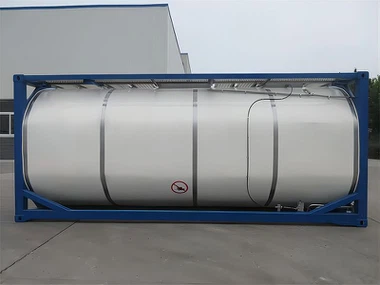


On-site Oxygen Generators For Biogas Production
Description
Technical Parameters
Products Description
The role of oxygen in biogas production:
Removal of hydrogen sulfide (H₂S): H₂S will generate corrosive SO₂ during combustion, which will damage gas engines and equipment and must be removed in advance.
Desulfurization process: Gaseous oxygen is injected above the fermentation tank and reacts with H₂S to generate elemental sulfur and is discharged with the biomass:
2 H₂S + O₂ → 2 S + 2 H₂O


Advantages of PSA oxygen generators:
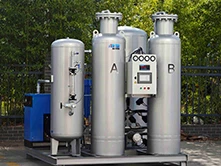
Efficient desulfurization: Provides 93%–95% oxygen purity to meet process requirements.
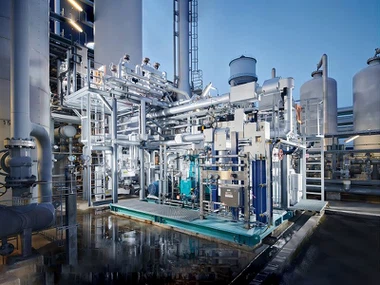
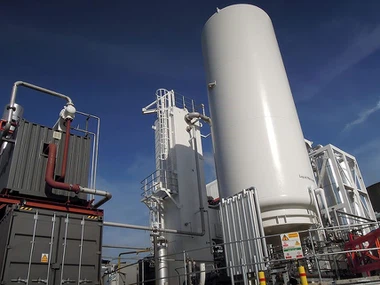
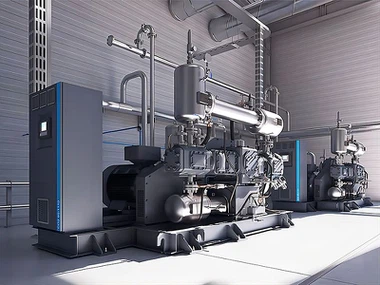
Flexible installation: Can be installed in the plant as a complete system, or in a containerized plug-and-play design to save space.
Wide range of applications: Oxygen flow rate can start from 10 Nm³/h and can be expanded according to needs.
OXYMAT has successfully delivered several PSA oxygen generators in Northern Europe, helping biogas plants improve operating efficiency and equipment durability
FAQ
What role does oxygen play in biogas production?
Oxygen is used in the biogas production process to remove hydrogen sulfide (H2S) from the biogas. H2S is an undesirable component of biogas as it can cause corrosion and damage to equipment.
How to remove hydrogen sulfide from biogas?
A simple and effective way to remove hydrogen sulfide is to pass gaseous oxygen through the digester, where the oxygen reacts with the hydrogen sulfide and is oxidized by microorganisms into elemental sulfur.
What chemical reactions are involved in removing hydrogen sulfide?
The chemical reaction is as follows: 2 H2S + O2 -> 2 S + 2 H2O. This reaction converts hydrogen sulfide into elemental sulfur and water.
What happens after the sulfur is removed?
The sulfur accumulates in the digester and eventually re-enters the liquid biomass. Some of it may be converted back into hydrogen sulfide and discharged with the degassed sludge.
Why is on-site oxygen generation preferred for this process?
On-site oxygen generation is preferred because it is a reliable and cost-effective solution for providing the required amount of oxygen to the biogas plant. It eliminates the need for an external oxygen supply and ensures a continuous oxygen source.
What is the oxygen flow rate typically required for desulfurization?
Oxygen consumption in a biogas plant typically starts at a flow rate of 10 Nm3/hour and increases as required by the desulfurization process.
Is the purity of the produced oxygen critical for desulfurization?
The desulfurization process does not require high gas purity, and oxygen with a purity of 93%-95% is suitable for effective removal of hydrogen sulfide.
Hot Tags: on-site oxygen generators for biogas production, China on-site oxygen generators for biogas production , suppliers, factory, Psa Oxygen Plant
Send Inquiry
Get in Touch
Write Your Message


