

 日本語
日本語 한국어
한국어 Français
 Deutsch
 Español
 Italiano
 Português
 Việt Nam
 Türkçe
 عربي
عربي  русский
  简体中文
简体中文 Čeština
 ไทย
ไทย Eesti
Eesti Gaeilgenah Éireann
 Bai Miaowen
 íslenska
 Cymraeg
 Български
 اردو
اردو Polski
 hrvatski
 українська
 bosanski
 فارسی
فارسی Lietuvių
 Latviešu
 עברית
עברית România limbi
 Ελληνικά
 dansk
dansk magyar
 Norsk
Norsk suomi
suomi Nederlands
 Svenska
 slovenčina
 slovenščina
 हिंदी
हिंदी Indonesia
 Melayu
 Malti
Malti Kreyòl Ayisyen
 Català
 বাংলা
বাংলা Srbija jezik (latinica)
 O'zbek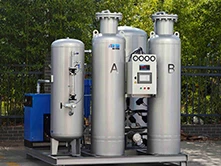
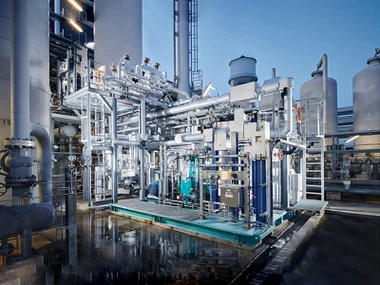
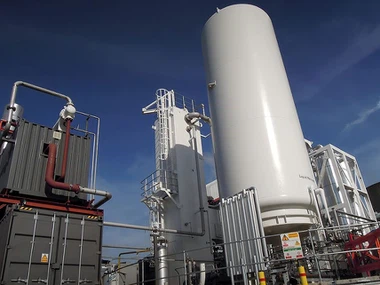


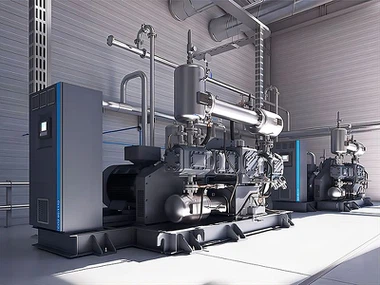
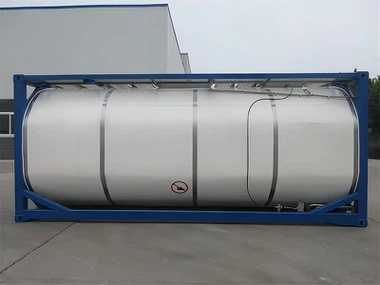


Oxygen Generators For Drinking Water Treatment
Oxygen generators are increasingly being utilized in drinking water treatment processes to enhance water quality and ensure safety. These systems produce high-purity oxygen, typically up to 95%, from ambient air, which can be integrated into various treatment applications.
Description
Technical Parameters
Benefits of Using Oxygen Generators
Enhanced Water Quality: The introduction of oxygen into the water treatment process supports aerobic biological processes that help break down organic contaminants. This is particularly beneficial in systems that require the removal of pollutants, ensuring that the treated water meets safety standards for drinking.
Ozone Generation: Oxygen generators can serve as a feed gas for ozone systems. Ozone is a powerful oxidant used in water treatment to disinfect and remove contaminants. By using oxygen from generators, treatment facilities can produce ozone on-site, which is both efficient and environmentally friendly. This method is effective for treating large volumes of water while ensuring the removal of pathogens and other harmful substances .
Odor Control: The consistent generation of oxygen can help mitigate odors associated with water treatment processes. By maintaining aerobic conditions, the risk of anaerobic bacteria growth-which often leads to unpleasant smells-is reduced, resulting in a more pleasant environment for both operators and nearby communities .
Reduced Contamination Risks: On-site oxygen generation lowers the risk of air pollution contamination that can occur with traditional oxygen supply methods, such as transporting liquid oxygen. This contributes to a safer and more sustainable water treatment operation.
Cost-Effectiveness: Utilizing PSA (Pressure Swing Adsorption) oxygen generators can be more economical than purchasing and storing liquid oxygen. This cost-effectiveness is particularly advantageous for smaller treatment facilities that may have limited budgets.

How Oxygen Generators Purify Water
Oxygen Production: Oxygen generators separate oxygen from ambient air, producing high-purity oxygen that can be directly fed into water treatment systems. This process typically involves using technologies like Pressure Swing Adsorption (PSA), which efficiently extracts oxygen while leaving other gases behind.
Enhancing Aerobic Processes: The introduction of oxygen into water treatment systems supports aerobic biological processes. Aerobic bacteria thrive in oxygen-rich environments, breaking down organic matter and pollutants more effectively than in anaerobic conditions. This enhanced microbial activity leads to improved degradation of contaminants, resulting in cleaner water.
Ozone Generation: Oxygen generated by these systems can also be used to produce ozone, a powerful oxidizing agent. Ozone is effective in disinfecting water and removing a wide range of contaminants, including bacteria, viruses, and organic compounds. By integrating ozone generation into the treatment process, facilities can achieve higher levels of purification.
Odor and Taste Improvement: The presence of oxygen helps to mitigate odors and improve the taste of drinking water. By promoting aerobic conditions, the growth of anaerobic bacteria-which often produce foul smells-is minimized, leading to a more pleasant water quality.
Reduction of Contaminants: Oxygenation can also facilitate the removal of specific contaminants, such as iron and manganese, which can cause discoloration and taste issues in drinking water. The oxidation of these metals allows them to precipitate out of the water, making them easier to filter and remove .
Hot Tags: oxygen generators for drinking water treatment, China oxygen generators for drinking water treatment , suppliers, factory, oxygen and nitrogen plant, 250 lpm oxygen plant, all oxygen plant, 200 lpm oxygen plant, oxy acetylene plant, 500 lpm oxygen plant
Send Inquiry
Get in Touch
Write Your Message


