

 日本語
日本語 한국어
한국어 Français
 Deutsch
 Español
 Italiano
 Português
 Việt Nam
 Türkçe
 عربي
عربي  русский
  简体中文
简体中文 Čeština
 ไทย
ไทย Eesti
Eesti Gaeilgenah Éireann
 Bai Miaowen
 íslenska
 Cymraeg
 Български
 اردو
اردو Polski
 hrvatski
 українська
 bosanski
 فارسی
فارسی Lietuvių
 Latviešu
 עברית
עברית România limbi
 Ελληνικά
 dansk
dansk magyar
 Norsk
Norsk suomi
suomi Nederlands
 Svenska
 slovenčina
 slovenščina
 हिंदी
हिंदी Indonesia
 Melayu
 Malti
Malti Kreyòl Ayisyen
 Català
 বাংলা
বাংলা Srbija jezik (latinica)
 O'zbek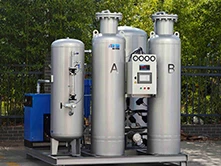


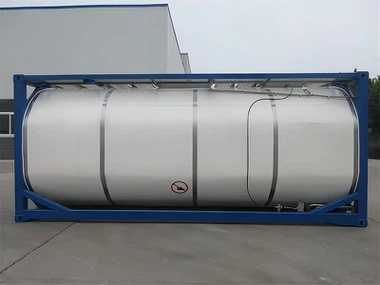


Oxygen Small Plant
Description
Technical Parameters
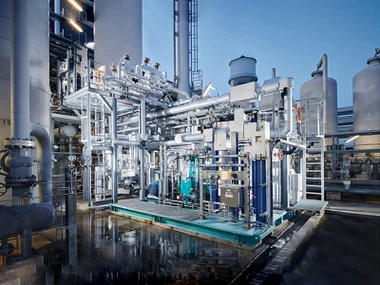
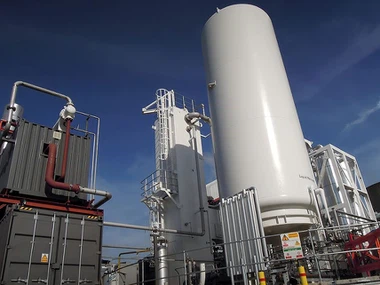
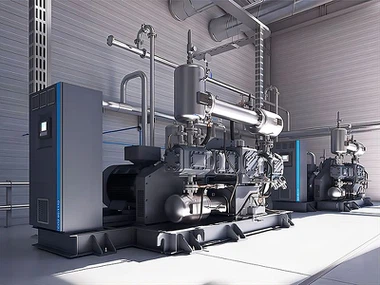
Capacity: Designed to produce oxygen in lower capacities compared to large-scale industrial plants. They are suitable for applications with oxygen demands ranging from a few cylinders per day to several dozen.
Oxygen Generation Technology: These plants often utilize Pressure Swing Adsorption (PSA) technology or Membrane Separation technology to extract oxygen from ambient air. PSA technology uses adsorbent materials to separate oxygen from nitrogen and other impurities, while membrane separation uses permeable membranes to selectively allow oxygen molecules to pass through.
Compact Design:Characterized by their compact size and space efficiency. They are designed to occupy minimal floor space, making them suitable for installations in small facilities or areas with limited space.


Ease of Operation: These plants are typically designed for easy operation with user-friendly interfaces and controls. They may feature automation and remote monitoring capabilities, allowing for unattended operation and providing convenience to the users.
Portability: Some small oxygen plants are designed to be portable, allowing for easy transportation and deployment in different locations. This feature is particularly useful for emergency situations or applications that require oxygen supply in remote or temporary settings.
Customization: Small oxygen plants can be customized to meet specific requirements, including oxygen purity levels, flow rates, and integration with existing systems. This ensures compatibility with the intended application and allows for flexibility in meeting individual needs.
Are there any specific safety considerations or certifications for small oxygen plants?
Yes, there are specific safety considerations and certifications that apply to small oxygen plants to ensure safe operation and compliance with industry standards. Here are some important factors to consider:
Safety Standards and Certifications: Small oxygen plants should be designed and manufactured in accordance with relevant safety standards and guidelines. These may include international standards such as ISO 13485 for medical devices, ISO 22000 for food safety, and ISO 9001 for quality management systems. Additionally, compliance with local regulations and safety codes specific to the industry and region is essential.
Oxygen Safety Measures: Oxygen is a highly reactive and potentially hazardous substance. Therefore, small oxygen plants should incorporate safety measures to prevent accidents and ensure safe handling. This may include features such as oxygen sensors, pressure relief valves, flame arrestors, and temperature monitoring systems. Adequate ventilation and fire safety measures should also be implemented.
Electrical Safety: Small oxygen plants typically require electrical power for operation. It is important to ensure that the electrical components and wiring are designed and installed following electrical safety standards. This includes proper grounding, protection against electrical faults, and adherence to electrical codes and regulations.
Operator Training and Safety Procedures: Proper training should be provided to operators and maintenance personnel to ensure they are familiar with the safe operation, maintenance, and emergency procedures for the small oxygen plant. This includes understanding the potential hazards associated with oxygen, proper handling of cylinders or storage tanks, and knowledge of safety protocols.
Risk Assessments: Conducting thorough risk assessments specific to the small oxygen plant and its application is crucial. This involves identifying potential hazards, evaluating risks, and implementing appropriate control measures to mitigate those risks. Regular inspections and maintenance should also be carried out to ensure the ongoing safety and reliability of the plant.
Documentation and Record-Keeping: It is important to maintain proper documentation of safety procedures, maintenance records, and any incidents or accidents that occur. This helps in monitoring the plant's safety performance, identifying areas for improvement, and demonstrating compliance with safety regulations.
When selecting a small oxygen plant, it is advisable to choose a reputable manufacturer or supplier who can provide information on the safety features, certifications, and compliance with applicable standards. Consulting with safety experts or regulatory authorities in your industry or region can also provide valuable guidance regarding safety considerations for small oxygen plants.
Hot Tags: oxygen small plant, China oxygen small plant , suppliers, factory, oxygen concentrator plant for hospital, oxygen plant at hospital, psa oxygen plant for hospital, oxygen plant hospital, medical oxygen gas plant, Oxygen Plant in Hospital
Previous
Oxygen Nitrogen PlantNext
Mini Oxygen PlantSend Inquiry
Get in Touch
Write Your Message


