

 日本語
日本語 한국어
한국어 Français
 Deutsch
 Español
 Italiano
 Português
 Việt Nam
 Türkçe
 عربي
عربي  русский
  简体中文
简体中文 Čeština
 ไทย
ไทย Eesti
Eesti Gaeilgenah Éireann
 Bai Miaowen
 íslenska
 Cymraeg
 Български
 اردو
اردو Polski
 hrvatski
 українська
 bosanski
 فارسی
فارسی Lietuvių
 Latviešu
 עברית
עברית România limbi
 Ελληνικά
 dansk
dansk magyar
 Norsk
Norsk suomi
suomi Nederlands
 Svenska
 slovenčina
 slovenščina
 हिंदी
हिंदी Indonesia
 Melayu
 Malti
Malti Kreyòl Ayisyen
 Català
 বাংলা
বাংলা Srbija jezik (latinica)
 O'zbek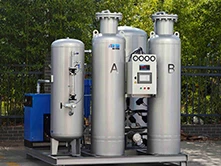
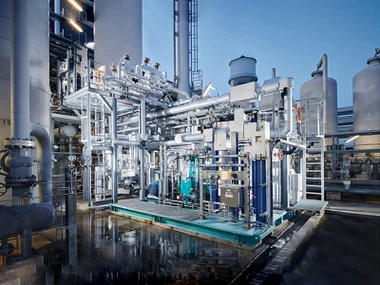
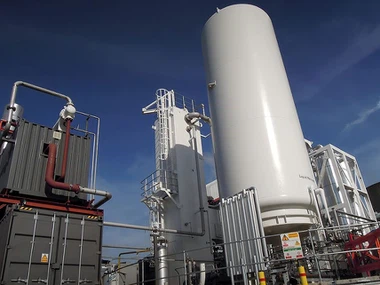


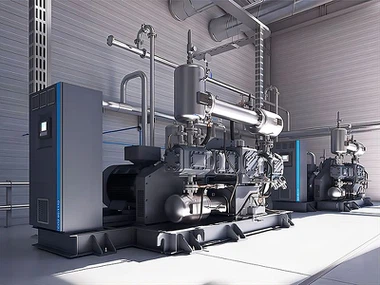
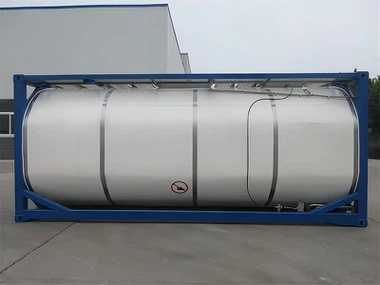


Oxygen generator Plant for Medical
Description
Technical Parameters
●High Purity Output: Produces 93%±3% pure oxygen, compliant with USP, European Pharmacopoeia and other international medical standards, essential for ICU treatment, surgeries and other medical scenarios.
●Continuous & Reliable Supply: Equipped with redundant components (e.g., multiple compressors, adsorption towers) and backup systems (e.g., automatic switch to oxygen cylinder banks for major malfunctions) to ensure 24/7 stable supply without interruption.
●Automated Operation: Controlled by PLCs to real-time monitor and adjust pressure, flow rate, temperature; supports self-diagnostic tests, ensuring consistent production and reducing manual supervision needs.
●Customizable Capacity: Offers 10-50 LPM (for small clinics) to 200 LPM-several thousand LPM (for large hospitals), matching oxygen demand of different healthcare facilities.
An oxygen generator plant, also referred to as an oxygen gas generator or oxygen generation plant, is an industrial system designed to produce oxygen by separating it from the other components of air. These plants employ advanced technologies, such as pressure swing adsorption (PSA), to extract oxygen from a gas supply, resulting in a stream of gas enriched with oxygen.
The process of oxygen concentration involves drawing air into the generator and passing it through a series of filters. It then undergoes a separation process utilizing molecular sieve beds, which effectively separate oxygen from nitrogen, thereby producing oxygen-enriched gas.

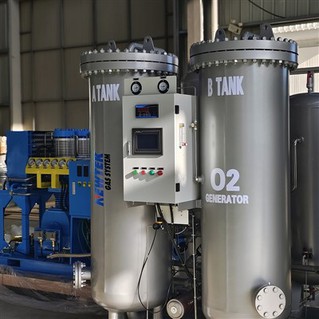
Oxygen generators are used in many applications, including:
Healthcare: As medical devices for oxygen therapy, especially in homes and portable clinics where liquid or pressurized oxygen is too dangerous or inconvenient.
Industry: As an economical source of oxygen in industrial processes
High altitudes: To provide supplemental oxygen
Oxygen generator plants find applications in various fields, including healthcare, industries, and high-altitude environments. In healthcare settings, these plants serve as essential medical devices for oxygen therapy, particularly in homes and portable clinics where handling liquid or pressurized oxygen may pose risks or logistical challenges.
Industries utilize oxygen generators as a cost-effective source of oxygen for various industrial processes. Additionally, in high-altitude regions where oxygen levels are naturally lower, these plants provide supplemental oxygen to support individuals in need.
What are some examples of industrial processes that utilize oxygen generators?
Metal Cutting and Welding: Oxygen generators are commonly used in metal fabrication and welding processes. Oxygen is essential for supporting combustion in oxy-fuel cutting and welding operations, where it reacts with the metal to facilitate cutting or joining.
Ozone Generation: Ozone is a powerful oxidizing agent used in various industrial applications, such as water and wastewater treatment, disinfection, and odor control. Oxygen generators can provide a concentrated source of oxygen that is then fed into ozone generators to produce ozone.
Glass Manufacturing: Oxygen is utilized in glass manufacturing processes, particularly in the production of specialty glasses like borosilicate and soda-lime. It helps enhance combustion and control the furnace atmosphere for optimal glass melting and shaping.
Pulp and Paper Industry: Oxygen generators find application in the pulp and paper industry for processes such as delignification and bleaching. Oxygen is used to improve the efficiency of chemical reactions and reduce the environmental impact of chlorine-based bleaching agents.
Fish Farming and Aquaculture: In aquaculture systems, oxygen generators can be employed to enhance dissolved oxygen levels in water, supporting the growth and health of fish and other aquatic organisms. They are particularly useful in closed-loop systems or areas with limited natural oxygen supply.
Waste Treatment and Remediation: Oxygen generators are utilized in various waste treatment and remediation processes, such as soil and groundwater remediation, composting, and biofiltration. Oxygen is introduced to facilitate the growth of aerobic bacteria that break down organic contaminants.
Chemical and Pharmaceutical Manufacturing: Oxygen generators are employed in chemical and pharmaceutical industries for various applications, including oxidation reactions, fermentation processes, and the production of specialty chemicals and drugs.
Oxygen generator Plant for Medical application
Hospitals
In hospitals, medical oxygen generator plants are used to supply oxygen to various departments. In intensive care units (ICUs), high - flow oxygen is required to support critically ill patients. During surgical procedures, a continuous supply of pure oxygen is necessary for anesthesia machines and to maintain the patient's vital signs. General wards also rely on the plant - generated oxygen for patients with respiratory problems or those recovering from surgery.
Clinics and Medical Centers
Smaller medical facilities such as clinics and medical centers can also benefit from on - site oxygen generation. They can use the oxygen for treating patients with chronic respiratory diseases like chronic obstructive pulmonary disease (COPD) or asthma. In case of emergencies, having an on - site oxygen source can provide immediate treatment before transporting the patient to a larger hospital.
Ambulances and Emergency Medical Services
Some ambulances are equipped with portable or compact oxygen generator plants. These allow paramedics to generate oxygen on - the - go, providing a continuous supply to patients during transportation. In emergency medical services, having a reliable oxygen source can be a life - saver, especially in situations where access to traditional oxygen supplies may be limited.
Nursing Homes and Long - term Care Facilities
Nursing homes often have residents with chronic health conditions that require regular oxygen therapy. An on - site oxygen generator plant can ensure a consistent and cost - effective supply of oxygen for these residents. It also eliminates the need for frequent deliveries of oxygen cylinders, reducing logistical challenges and potential supply disruptions.
FAQ
Q: Can the 93%±3% oxygen purity of medical oxygen generator plants meet all clinical needs?
A: Yes. This purity fully complies with international medical standards (USP, European Pharmacopoeia) and covers over 95% of clinical scenarios-including ICU ventilation, surgical anesthesia, and chronic respiratory disease therapy. Only ultra-specialized cases (e.g., certain neonatal treatments) may require higher purity, which can be achieved by adding post-purification modules to the plant.
Q: How long does a medical oxygen generator plant run continuously without maintenance interruptions?
A: With regular routine maintenance (e.g., monthly filter replacement), most plants can operate continuously for 8,000–12,000 hours. The redundant design (multiple compressors/adsorption towers) ensures that even during component maintenance, the plant can switch to backup parts to avoid supply gaps.
Q: Is it difficult to operate a PLC-automated medical oxygen generator plant? Do staff need professional training?
A: It is not difficult. The PLC system has a user-friendly touchscreen interface with automatic parameter adjustment and fault alerts. Staff only need 1–2 days of basic training to master daily operations (e.g., starting/stopping the plant, checking real-time data). Professional technical personnel are only required for annual maintenance or fault repairs.
Q: If a hospital's oxygen demand increases (e.g., expanding wards), can the existing medical oxygen generator plant be upgraded?
A: Yes. Most plants adopt a modular design-for small demand increases (e.g., from 50 LPM to 100 LPM), adding a new adsorption tower or compressor is sufficient; for large-scale expansions, the original control system and pipeline network can be retained, and only core separation modules need to be expanded, avoiding full replacement costs.
Q: How does a medical oxygen generator plant ensure oxygen safety during power outages?
A: It relies on dual backup measures: 1) Equipped with a standby generator or UPS that activates within 10–30 seconds of a power outage to maintain core components (compressors, PLCs) operation; 2) Connected to a backup oxygen cylinder bank with an automatic switchover valve-if the plant is temporarily unavailable, it immediately switches to cylinder supply to ensure no interruption.
Hot Tags: Oxygen generator Plant for Medical, China Oxygen generator Plant for Medical , suppliers, factory, oxygen plant hospital, medical oxygen gas plant, oxygen concentrator plant for hospital, psa oxygen plant for hospital, psa medical oxygen generator, liquid oxygen plant in hospitals
Previous
Small Oxygen PlantSend Inquiry
Get in Touch
Write Your Message


