

 日本語
日本語 한국어
한국어 Français
 Deutsch
 Español
 Italiano
 Português
 Việt Nam
 Türkçe
 عربي
عربي  русский
  简体中文
简体中文 Čeština
 ไทย
ไทย Eesti
Eesti Gaeilgenah Éireann
 Bai Miaowen
 íslenska
 Cymraeg
 Български
 اردو
اردو Polski
 hrvatski
 українська
 bosanski
 فارسی
فارسی Lietuvių
 Latviešu
 עברית
עברית România limbi
 Ελληνικά
 dansk
dansk magyar
 Norsk
Norsk suomi
suomi Nederlands
 Svenska
 slovenčina
 slovenščina
 हिंदी
हिंदी Indonesia
 Melayu
 Malti
Malti Kreyòl Ayisyen
 Català
 বাংলা
বাংলা Srbija jezik (latinica)
 O'zbek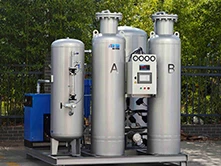
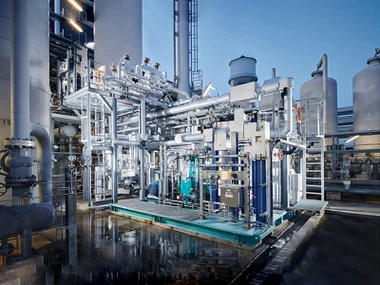
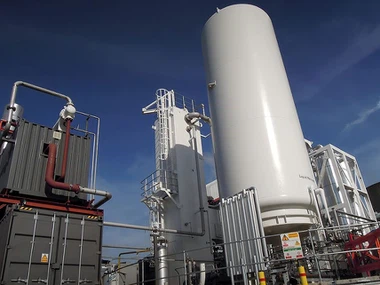


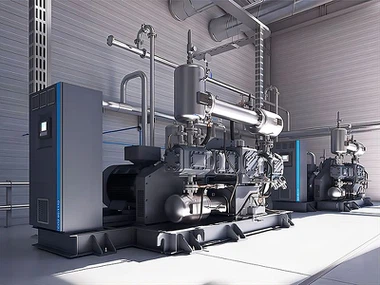
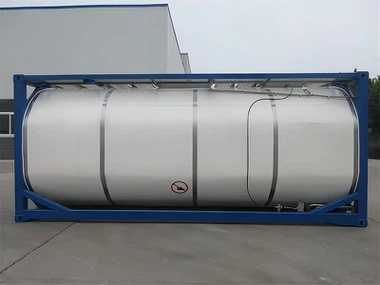


Hospital Medical Oxygen Plant
Description
Technical Parameters
Core Working Principle
Using ambient air as raw material, the system completes oxygen production via PSA technology through four key steps:
① Air pretreatment: Oil-free air compressors compress air; precision filters and freeze dryers remove impurities and moisture.
② Molecular sieve adsorption: Clean air enters towers filled with zeolite molecular sieves, which adsorb nitrogen and CO₂, allowing high-purity oxygen to pass through.
③ Pressure regulation & regeneration: Dual/multi-tower alternate operation (one tower adsorbs while the other regenerates via pressure relief) ensures continuous oxygen output.
④ Oxygen purification & storage: Qualified oxygen (monitored by online analyzers) is stored in buffer tanks and delivered to hospital oxygen supply pipelines.

Hospital Medical Oxygen Plant advantage
High Reliability
Redundant backup system ensures MTBF (Mean Time Between Failures) over 10,000 hours; automatic switch to standby mode avoids supply interruption.
Energy Efficiency
60%+ lower energy cost than oxygen cylinders; power consumption ≤0.38kWh/Nm³ without additional transportation/storage costs.
Intelligent Control
Industrial PLC system monitors oxygen purity, pressure, and flow in real-time, with alarm and shutdown protection; high-end models support remote monitoring via hospital HIS system.
Flexible Adaptability
Customizable oxygen production (1-200Nm³/h) for 100-5,000 bed hospitals; modular expansion available for future needs.
 NTK93 Series PSA Oxygen Plant Model Selection NTK93 Series PSA Oxygen Plant Model Selection |
||||||
| No. | Models | Capacity (Nm3/hr) | Purity | Power consumption of 1Nm3 oxygen produced (kw/h) | Number of bottles filled in 12 hours (pcs) | Operator needed |
| 1 | NTK-5P | 5 | 93%+-3% | 3.54 | 10 | 2 |
| 2 | NTK-10P | 10 | 93%+-3% | 2.52 | 20 | 2 |
| 3 | NTK-15P | 15 | 93%+-3% | 2.31 | 30 | 2 |
| 4 | NTK-20P | 20 | 93%+-3% | 2.13 | 40 | 2 |
| 5 | NTK-25P | 25 | 93%+-3% | 2.01 | 50 | 2 |
| 6 | NTK-30P | 30 | 93%+-3% | 2.09 | 60 | 2 |
| 7 | NTK-40P | 40 | 93%+-3% | 1.81 | 80 | 2 |
| 8 | NTK-50P | 50 | 93%+-3% | 1.94 | 100 | 2 |
| 9 | NTK-60P | 60 | 93%+-3% | 1.62 | 120 | 2 |
| 10 | NTK-80P | 80 | 93%+-3% | 1.92 | 160 | 2 |
| 11 | NTK-100P | 100 | 93%+-3% | 1.83 | 200 | 2 |
| Design basis: Altitude:≤500m;RH:≤80%;Temperature:0℃-38℃;Filling pressure: 150Bar 40L Type Standard Cylinder |
FAQ
Q1: What qualifications must the Hospital Medical Oxygen Plant and its supplier have to ensure compliance?
A1: The plant needs a Class II Medical Device Registration Certificate (China) and meets YY/T 0298, GB 8982-2023. Suppliers: Manufacturers need production licenses; sellers need Class II operation filings. Exports require CE/FDA/ISO 13485. Verify via national medical device databases.
Q2: How does the total cost of a PSA-based medical oxygen plant compare with liquid oxygen tanks? Which is more cost-effective long-term?
A2: PSA plants have higher initial costs but save 60%+ long-term vs. liquid oxygen (avoids transport/storage fees). Costs only include electricity (≤0.38kWh/Nm³) and maintenance, breaking even in 3-5 years. Suitable for ≥50-bed hospitals; small clinics may prefer liquid oxygen.
Q3: Can the plant adapt to high-altitude areas (e.g., 3500m above sea level)? What special configurations are needed?
A3: Yes, with high-altitude customization: upgrade air compressors, optimize sieve quantity/pressure (0.6-0.8MPa), and strengthen drying systems. Qualified models need test reports proving "purity ≥90% at 3500m."
Q4: What are the pros and cons of the BOO operation mode for hospital oxygen plants? Is it suitable for general hospitals?
A4: BOO pros: No upfront hospital investment, freeing funds for medical equipment. Cons: Weakened hospital control (risk of supplier cost-cutting). Suitable for medium/small hospitals; large tertiary hospitals prefer self-owned models.
Q5: How to confirm that the plant's labeled oxygen flow and purity are true and avoid false marking?
A5: Avoid false marking by: ① Checking CMA/CNAS-certified third-party test reports; ② On-site 24h full-load testing with calibrated analyzers; ③ Avoiding quotes 20% below market average.
Hot Tags: hospital medical oxygen plant, China hospital medical oxygen plant , suppliers, factory, liquid oxygen plant in hospitals, psa medical oxygen generator, oxygen concentrator plant for hospital, Oxygen Plant in Hospital, psa oxygen plant for hospital, oxygen plant at hospital
Previous
Oxygen Plant At HospitalSend Inquiry
Get in Touch
Write Your Message


