

 日本語
日本語 한국어
한국어 Français
 Deutsch
 Español
 Italiano
 Português
 Việt Nam
 Türkçe
 عربي
عربي  русский
  简体中文
简体中文 Čeština
 ไทย
ไทย Eesti
Eesti Gaeilgenah Éireann
 Bai Miaowen
 íslenska
 Cymraeg
 Български
 اردو
اردو Polski
 hrvatski
 українська
 bosanski
 فارسی
فارسی Lietuvių
 Latviešu
 עברית
עברית România limbi
 Ελληνικά
 dansk
dansk magyar
 Norsk
Norsk suomi
suomi Nederlands
 Svenska
 slovenčina
 slovenščina
 हिंदी
हिंदी Indonesia
 Melayu
 Malti
Malti Kreyòl Ayisyen
 Català
 বাংলা
বাংলা Srbija jezik (latinica)
 O'zbek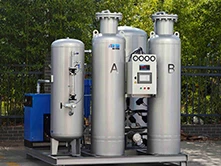


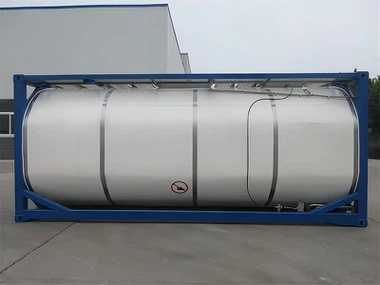


Liquid Oxygen Plant in Hospitals
Description
Technical Parameters
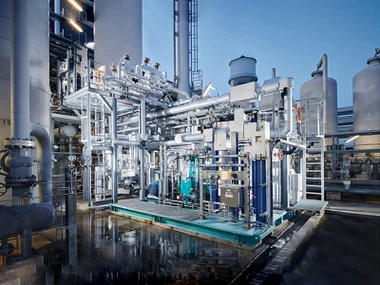
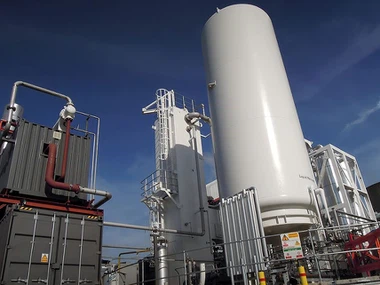
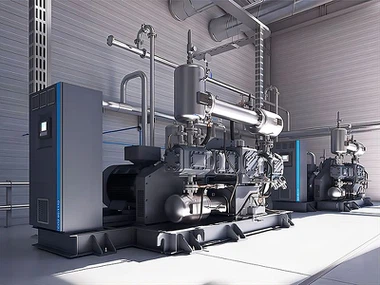
Liquid oxygen plants in hospitals use technologies such as pressure swing adsorption (PSA), membrane separation technology and cryogenic technology to remove moisture, bacteria and other impurity elements from atmospheric air. These manufacturers then use plate heat exchangers, high-efficiency heat exchangers and expanders to liquefy the air. Liquid oxygen is stored in tanks with capacities ranging from 3,160 liters to 61,600 liters and is supplied to patients through the medical gas pipeline system. At normal temperatures, liquid oxygen will be converted into medical oxygen and eventually delivered to the patient.


This process can effectively extract high-purity oxygen from the atmosphere, and provide stable and clean medical oxygen to hospitals through liquefaction, storage and pipeline transportation. This will not only meet the oxygen needs of patients, but also avoid many inconveniences caused by traditional oxygen bottle storage and distribution. The entire process complies with medical standards, ensuring oxygen quality and safety.
What are the advantages of these technologies for extracting high-purity oxygen?
Efficient removal of impurities: Pressure swing adsorption (PSA), membrane separation technology and cryogenic technology can effectively remove moisture, bacteria and other unwanted elements from atmospheric air and extract high-purity oxygen.
Convenient liquefaction storage: Air is liquefied through equipment such as plate heat exchangers, high-efficiency heat exchangers, and expanders, and oxygen can be stored in large storage tanks at high density for easy transportation through pipelines.
Stable and reliable quality: The entire process is operated in strict accordance with medical standards, ensuring the stability and safety of oxygen quality and meeting the oxygen needs of patients.
Reduce operating costs: Compared with traditional oxygen bottle distribution, the operation and maintenance of the liquid oxygen pipeline system is more efficient and convenient, which can reduce the hospital's operating costs.
What specific steps and processes do these technologies have for extracting high-purity oxygen?
Air purification:
Uses Pressure Swing Adsorption (PSA) technology to remove moisture, bacteria and other impurity elements from atmospheric air.
Use membrane separation technology to purify and concentrate air.
Air liquefaction:
High-efficiency plate and fin heat exchangers are used to reduce air temperature.
An expander is used to further reduce the temperature and liquefy the air into liquid oxygen.
Liquid oxygen storage:
The liquid oxygen produced is stored in tanks with capacities ranging from 3,160 liters to 61,600 liters.
The medical gas pipeline system is used to transport liquid oxygen to the end of use.
Liquid oxygen oxidation:
Under normal temperature conditions, the stored liquid oxygen will be converted into medical oxygen.
Medical oxygen is delivered to patients through a piping system.
Hot Tags: liquid oxygen plant in hospitals, China liquid oxygen plant in hospitals , suppliers, factory, Nitrogen Air Separation Unit, Gas Powered Compressor, Modular Oxygen Plant, Esc Oxygen Booster, psa oxygen plant for hospital, nitrogen tank storage
Send Inquiry
Get in Touch
Write Your Message


