

 日本語
日本語 한국어
한국어 Français
 Deutsch
 Español
 Italiano
 Português
 Việt Nam
 Türkçe
 عربي
عربي  русский
  简体中文
简体中文 Čeština
 ไทย
ไทย Eesti
Eesti Gaeilgenah Éireann
 Bai Miaowen
 íslenska
 Cymraeg
 Български
 اردو
اردو Polski
 hrvatski
 українська
 bosanski
 فارسی
فارسی Lietuvių
 Latviešu
 עברית
עברית România limbi
 Ελληνικά
 dansk
dansk magyar
 Norsk
Norsk suomi
suomi Nederlands
 Svenska
 slovenčina
 slovenščina
 हिंदी
हिंदी Indonesia
 Melayu
 Malti
Malti Kreyòl Ayisyen
 Català
 বাংলা
বাংলা Srbija jezik (latinica)
 O'zbek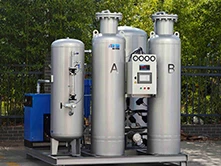


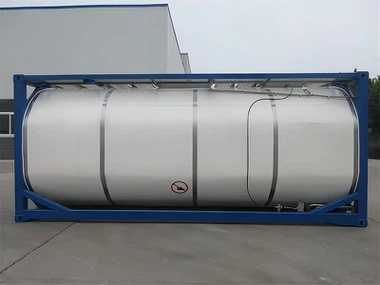


Industrial Oxygen Generator
Description
Technical Parameters
High Capacity & Customizable Output:
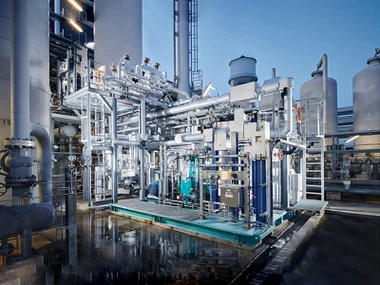
Offers 50–5,000 Nm³/h oxygen production, with capacity adjustable via modular designs to match factory expansion or varying production needs.
Flexible Purity Options:
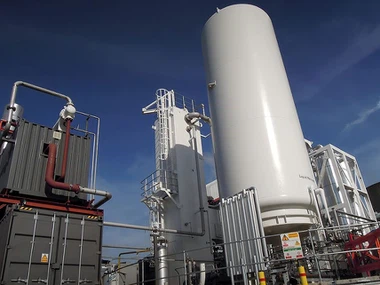
Provides 90%–99.999% oxygen purity-PSA models suit 90%–95% mid-purity needs (e.g., combustion), while cryogenic models meet 99.5%+ high-purity demands (e.g., electronics manufacturing).
Cost-Efficient Operation:
Eliminates long-term expenses for oxygen cylinder purchase, transportation, and storage; energy-saving designs (e.g., heat recovery systems) reduce operational costs by 30%–60% vs. external supply.
Reliable & Low-Maintenance:
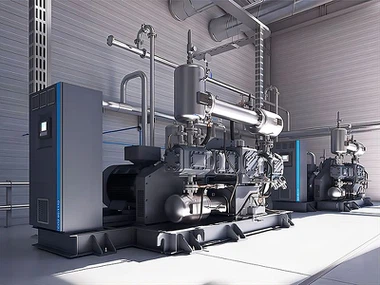
Equipped with redundant components (e.g., backup compressors) and intelligent monitoring systems; key parts (zeolite sieves) have 5–8-year service life, minimizing downtime.

Industrial Oxygen Generator Application
Metallurgy Industry
Supplies oxygen for steelmaking (enhances combustion efficiency, reduces carbon content) and non-ferrous metal smelting (e.g., copper/ aluminum processing, improves product quality).
Chemical & Petrochemical Industry
Used in oxidative reactions (e.g., ethylene oxidation, methanol synthesis) and inerting/protective gas applications, ensuring safe, efficient chemical production.
Wastewater Treatment
Injects oxygen into aeration tanks to boost aerobic bacteria activity, accelerating organic matter decomposition and improving wastewater purification efficiency.
Energy Sector
Supports coal gasification (increases syngas yield) and biomass energy conversion, as well as oxygen-enriched combustion in power plants to reduce fuel consumption and emissions.
FAQ
Q: What's the difference between PSA and cryogenic industrial oxygen generators?
A: PSA models use zeolite sieves, work at room temperature, have lower initial costs, and suit 90%–95% purity needs (small-to-medium capacity). Cryogenic models use low-temperature distillation, require higher investment, deliver 99.5%+ purity, and are for large-capacity (1,000+ Nm³/h) high-purity scenarios.
Q: How long does it take for an industrial oxygen generator to recover its initial investment?
A: Typically 2–4 years. The exact time depends on capacity and usage-high-demand factories (e.g., large steel mills) may recover costs in 2 years, while smaller facilities take 3–4 years, thanks to reduced external oxygen procurement costs.
Q: Can an industrial oxygen generator adapt to sudden changes in oxygen demand?
A: Yes. Intelligent control systems adjust production in real time: if demand rises, the generator increases air intake and optimizes sieve adsorption cycles; backup modules activate for sharp demand surges to avoid supply gaps.
Q: What maintenance work is required for an industrial oxygen generator?
A: Routine tasks include monthly air filter replacement, quarterly pipeline leak checks, annual zeolite sieve performance testing (replaced every 5–8 years), and semi-annual calibration of pressure/flow meters to ensure efficiency.
Q: Is an industrial oxygen generator suitable for remote industrial sites?
A: Yes. It's designed for on-site use, requiring only ambient air and power-no reliance on transportation networks. For remote areas, it can be paired with solar or diesel backup power to ensure uninterrupted operation.
Hot Tags: Industrial Oxygen Generator, China Industrial Oxygen Generator , suppliers, factory, Industrial Oxygen Concentrator, Industrial Oxygen Generator Machine, Industrial Oxygen Generator
Previous
100 Lpm Oxygen PlantSend Inquiry
Get in Touch
Write Your Message


