

 日本語
日本語 한국어
한국어 Français
 Deutsch
 Español
 Italiano
 Português
 Việt Nam
 Türkçe
 عربي
عربي  русский
  简体中文
简体中文 Čeština
 ไทย
ไทย Eesti
Eesti Gaeilgenah Éireann
 Bai Miaowen
 íslenska
 Cymraeg
 Български
 اردو
اردو Polski
 hrvatski
 українська
 bosanski
 فارسی
فارسی Lietuvių
 Latviešu
 עברית
עברית România limbi
 Ελληνικά
 dansk
dansk magyar
 Norsk
Norsk suomi
suomi Nederlands
 Svenska
 slovenčina
 slovenščina
 हिंदी
हिंदी Indonesia
 Melayu
 Malti
Malti Kreyòl Ayisyen
 Català
 বাংলা
বাংলা Srbija jezik (latinica)
 O'zbek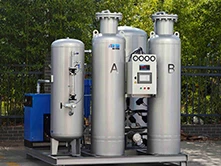



Working Principle Of Air Separation Unit
Nov 30, 2023
Leave a message
Air Separation Unit (ASU) is a device used to extract oxygen, nitrogen and other gases from atmospheric air and separate them. The following is the general working principle of the air separation unit:
Compression and Refrigeration:
Air Absorption: ASU typically absorbs air from the atmosphere.
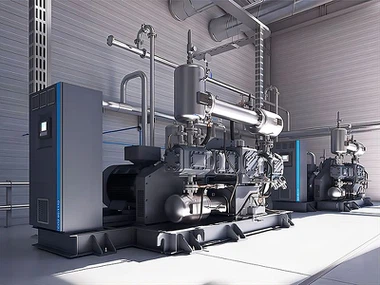
Compression: The absorbed air is first compressed to a high pressure state, usually using a compressor to accomplish this process.
Refrigeration: The compressed air needs to be cooled to a low temperature state, which is usually achieved through a cooling device or through expansion cooling.
Separation and purification:
Adsorption or separation device: The compressed and cooled air passes through a series of adsorption columns, separation membranes or other separation equipment to separate gases of different components, usually oxygen, nitrogen, rare gases, etc.
Separating gases: These separation devices can separate gases such as oxygen and nitrogen in the air using physical properties such as boiling points, adsorption properties or permeability of different gas components.
Collection and storage:
Oxygen and nitrogen collection: The separated oxygen, nitrogen and other gases are collected and stored respectively.
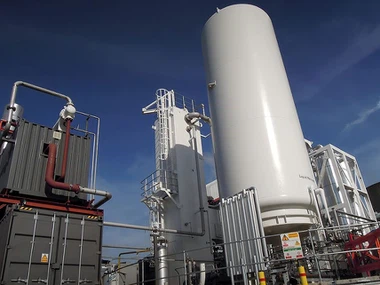
Storage: These gases are usually stored in high-pressure or cryogenic tanks for future use.
Recompression and conveying:
Recompression: After storage, gases such as oxygen and nitrogen may need to be compressed again to the appropriate pressure for delivery.
Delivery: These gases can be delivered via piping systems or cylinders to meet the needs of industrial, medical or other uses.
The air separation device uses the physical properties of various gas components in the air to separate, and collects and stores oxygen, nitrogen and other gases as needed. This working principle is commonly used in industrial production for large-scale production of gases to meet the needs of various uses.