

 日本語
日本語 한국어
한국어 Français
 Deutsch
 Español
 Italiano
 Português
 Việt Nam
 Türkçe
 عربي
عربي  русский
  简体中文
简体中文 Čeština
 ไทย
ไทย Eesti
Eesti Gaeilgenah Éireann
 Bai Miaowen
 íslenska
 Cymraeg
 Български
 اردو
اردو Polski
 hrvatski
 українська
 bosanski
 فارسی
فارسی Lietuvių
 Latviešu
 עברית
עברית România limbi
 Ελληνικά
 dansk
dansk magyar
 Norsk
Norsk suomi
suomi Nederlands
 Svenska
 slovenčina
 slovenščina
 हिंदी
हिंदी Indonesia
 Melayu
 Malti
Malti Kreyòl Ayisyen
 Català
 বাংলা
বাংলা Srbija jezik (latinica)
 O'zbek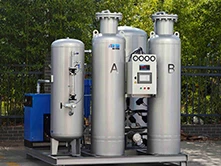



Why Many PSA Oxygen Projects Face Performance Decline After Three Years?
Jan 28, 2026
Leave a message

In recent years, PSA (Pressure Swing Adsorption) oxygen systems have been widely adopted across industries due to their flexibility, relatively low initial investment, and fast deployment. However, industry experience shows that while many PSA oxygen plants perform well during commissioning and early operation, system stability often begins to decline around the third year of operation.
This phenomenon is rarely the result of a single equipment failure. Instead, it is typically linked to system-level decisions made during the early design and engineering stages of the project.
Hidden Risks in Early-Stage PSA System Design
Common issues observed in underperforming PSA oxygen projects include:
Insufficient design margins, where systems are engineered only for nominal oxygen demand without accounting for real operating fluctuations, seasonal conditions, or future capacity expansion
Compressor and air dryer selection driven primarily by upfront cost, rather than long-term reliability, redundancy, and operating life
Inadequate attention to air quality management, including filtration efficiency, moisture control, oil removal, and heat dissipation
Lack of defined maintenance strategies, resulting in delayed servicing, adsorbent degradation, and gradual performance loss
These challenges often remain hidden during the first years of operation, only becoming evident as the system ages and operating conditions deviate from initial assumptions.
PSA Oxygen Is a Long-Term Operating System - Not Just Equipment
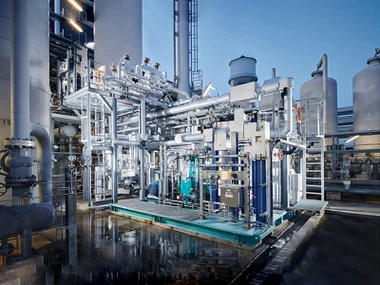
From an engineering perspective, a PSA oxygen plant should not be viewed as a collection of standalone components. It is a long-term operating system, where air preparation, adsorption performance, control logic, thermal balance, and maintenance planning are closely interconnected.
When any of these aspects are underestimated, the cumulative effect can lead to reduced oxygen purity, increased energy consumption, unplanned downtime, and higher lifecycle costs.
NEWTEK GROUP's Lifecycle Engineering Approach
At NEWTEK GROUP, PSA oxygen solutions are designed with a strong emphasis on application understanding, realistic operating margins, and full lifecycle performance. Rather than focusing solely on commissioning success, NEWTEK GROUP engineers systems to remain stable and efficient over many years of continuous operation.
This approach includes:
●Engineering designs based on real operating conditions, not theoretical averages
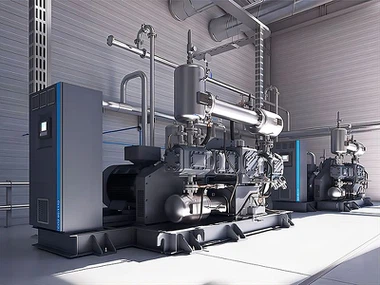
●Robust air compression and purification systems selected for durability and redundancy
●Optimized thermal and process control to protect adsorbent performance
●Clear maintenance frameworks that support long-term reliability
A well-engineered PSA oxygen system, when properly designed and operated, should continue to perform reliably after five, eight, or even ten years, not just during the initial start-up phase.
Building Sustainable Oxygen Supply Systems
As industries increasingly rely on on-site oxygen generation for production continuity and cost control, long-term system reliability has become a critical success factor. PSA oxygen projects that integrate lifecycle engineering from the beginning are far better positioned to deliver stable performance, predictable operating costs, and long-term value.
NEWTEK GROUP remains committed to supporting clients with engineering-driven PSA oxygen solutions that stand the test of time and avoid risks that only emerge years after commissioning.

Official Website: https://www.newtek-group.com
PSA : https://www.newtekgas.com/
Cryogenic : https://www.newtekcryogenic.com/
HQ:Hangzhou,Zhejiang,China.
Telephone:+86 571 87393983
E-Mail: inquiry@newtek-group.com