

 日本語
日本語 한국어
한국어 Français
 Deutsch
 Español
 Italiano
 Português
 Việt Nam
 Türkçe
 عربي
عربي  русский
  简体中文
简体中文 Čeština
 ไทย
ไทย Eesti
Eesti Gaeilgenah Éireann
 Bai Miaowen
 íslenska
 Cymraeg
 Български
 اردو
اردو Polski
 hrvatski
 українська
 bosanski
 فارسی
فارسی Lietuvių
 Latviešu
 עברית
עברית România limbi
 Ελληνικά
 dansk
dansk magyar
 Norsk
Norsk suomi
suomi Nederlands
 Svenska
 slovenčina
 slovenščina
 हिंदी
हिंदी Indonesia
 Melayu
 Malti
Malti Kreyòl Ayisyen
 Català
 বাংলা
বাংলা Srbija jezik (latinica)
 O'zbek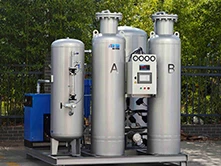


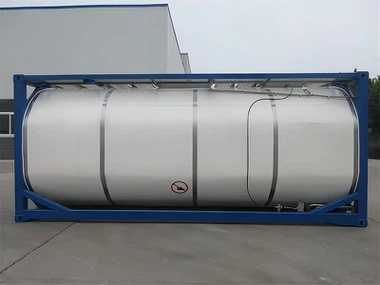

What Is The Working Principle Of Liquid Nitrogen Plant?
Apr 03, 2024
Leave a message
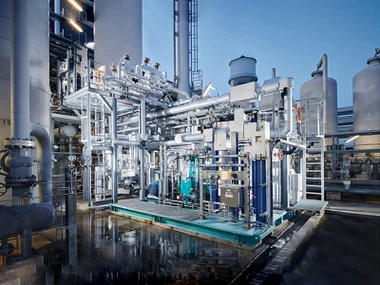
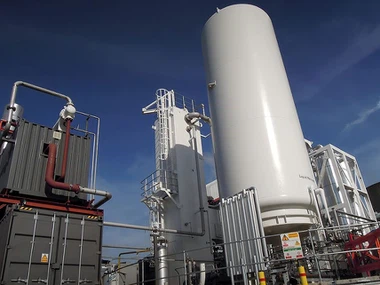
A liquid nitrogen plant is an industrial facility that uses the principles of cryogenics to produce liquid nitrogen. It operates by compressing air and then cooling it to very low temperatures until it liquefies, separating its components by distillation. The nitrogen is isolated and then stored as a liquid, ready for use in various applications.
The working principle of a liquid nitrogen plant has four basic stages:
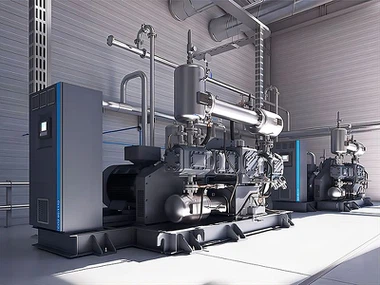
1. Air Compression: Air is sucked in through an air compressor, where it is compressed to a higher pressure, typically 6 to 10 bar.
2. Pre-Cooling: The compressed air is passed through a heat exchanger where it is cooled to around 12 to 15 degrees Celsius by the outgoing cold air, which reduces the load on the main refrigeration unit.
3. Main Cryogenic Cooling: The pre-cooled air then enters the main cooling unit, where it is cooled to less than -180 degrees Celsius by a series of heat exchangers and Cryogenic Expander. Nitrogen, because Of its lower boiling point compared to oxygen, can be isolated from the air.
4. Separation: The high pressure liquid nitrogen is separated from other components of air through a distillation column as cryogenic condensing trays become a liquid, which makes it easier to collect and store.
The production of liquid nitrogen has numerous applications in various fields, including food processing, pharmaceuticals, science research, and industrial manufacturing. In the food industry, nitrogen is used to preserve food appearance, to add effervescence to drinks, and to flash-freeze food products such as vegetables and meat to maintain their freshness. In the pharmaceutical industry, it is used to store and transport medicines at low temperatures, and for cryotherapy. Meanwhile, scientific researchers use liquid nitrogen to study the properties of materials at low temperatures.
In industrial manufacturing, liquid nitrogen is used in metal processing to cool metals quickly, preventing defects during the manufacturing process. The pharmaceutical industry also uses liquid nitrogen for cryotherapy.
Besides, in Agriculture liquid nitrogen plays a very important role in soil fertilization. It can be used to prepare fertilizers that can be applied directly to the soil. When the soil is very dry, adding liquid nitrogen can help to improve the soil's water-holding capacity.
In conclusion, Liquid nitrogen plants are based on cryogenic principles and use different stages to produce liquid nitrogen. The production of liquid nitrogen has numerous applications in different fields, making it an essential component of various industries, including food processing, pharmaceuticals, and scientific research. It has boosted the industrial landscape, making possible scientific research, and minimizing pollutant emissions caused by some industrial processes.