

 日本語
日本語 한국어
한국어 Français
 Deutsch
 Español
 Italiano
 Português
 Việt Nam
 Türkçe
 عربي
عربي  русский
  简体中文
简体中文 Čeština
 ไทย
ไทย Eesti
Eesti Gaeilgenah Éireann
 Bai Miaowen
 íslenska
 Cymraeg
 Български
 اردو
اردو Polski
 hrvatski
 українська
 bosanski
 فارسی
فارسی Lietuvių
 Latviešu
 עברית
עברית România limbi
 Ελληνικά
 dansk
dansk magyar
 Norsk
Norsk suomi
suomi Nederlands
 Svenska
 slovenčina
 slovenščina
 हिंदी
हिंदी Indonesia
 Melayu
 Malti
Malti Kreyòl Ayisyen
 Català
 বাংলা
বাংলা Srbija jezik (latinica)
 O'zbek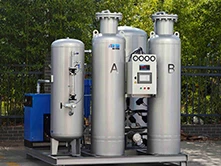


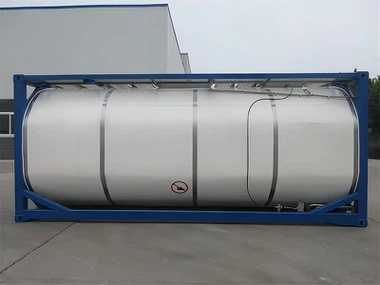

Basic Process Flow Of PSA Nitrogen Production
Oct 30, 2023
Leave a message
After the air is compressed by the air compressor, it enters the air storage tank after dust removal, oil removal, and drying. It enters the left adsorption tower through the air inlet valve and the left suction inlet valve. The tower pressure increases, and the oxygen molecules in the compressed air are absorbed. Carbon molecular sieve adsorption, unadsorbed nitrogen passes through the adsorption bed, enters the nitrogen storage tank through the left suction outlet valve and the nitrogen gas production valve. This process is called left suction and lasts for tens of seconds.
After the left suction process is completed, the left adsorption tower and the right adsorption tower are connected through the upper and lower pressure equalizing valves to balance the pressures of the two towers. This process is called pressure equalization and lasts for 2 to 3 seconds. After the pressure equalization is completed, the compressed air enters the right adsorption tower through the air inlet valve and the right suction inlet valve. The oxygen molecules in the compressed air are adsorbed by the carbon molecular sieve, and the enriched nitrogen enters the nitrogen through the right suction outlet valve and the nitrogen gas production valve. Storage tank, this process is called right suction, which lasts for tens of seconds.
At the same time, the oxygen adsorbed by the carbon molecular sieve in the left adsorption tower is depressurized and released back to the atmosphere through the left exhaust valve. This process is called desorption. On the contrary, when the left tower is adsorbing, the right tower is also desorbing at the same time.
In order to completely discharge the oxygen released by the pressure reduction in the molecular sieve into the atmosphere, nitrogen is purged through a normally open backflush valve in the desorbing adsorption tower, and the oxygen in the tower is blown out of the adsorption tower. This process is called backflush, and it occurs simultaneously with desorption.
After the right suction is completed, it enters the pressure equalization process, then switches to the left suction process, and the cycle continues.
The working process of the nitrogen generator is completed by the programmable controller controlling three two-position five-way pilot solenoid valves, and then the solenoid valves controlling the opening and closing of eight pneumatic pipeline valves respectively. Three two-position five-way pilot solenoid valves control the left suction, pressure equalization, and right suction states respectively. The time flow of left suction, pressure equalization, and right suction has been stored in the programmable controller. In the power-off state, the pilot air of the three two-position five-way pilot solenoid valves is connected to the closing port of the pneumatic pipeline valve. When the process is in the left suction state, the solenoid valve controlling the left suction is energized, and the pilot air is connected to the left suction intake valve, the left suction gas production valve, and the right exhaust valve opening, causing these three valves to open, completing the left suction process. , while the right adsorption tower desorbs. When the process is in a pressure equalizing state, the solenoid valve that controls the pressure equalizing is energized and other valves are closed; the pilot air is connected to the openings of the upper pressure equalizing valve and the lower pressure equalizing valve, causing these two valves to open to complete the pressure equalizing process. When the process is in the right suction state, the solenoid valve controlling the right suction is energized, and the pilot air is connected to the right suction intake valve, right suction gas production valve, and left exhaust valve opening, causing these three valves to open, completing the right suction process. , while the left adsorption tower desorbs. In each process, except for the valves that should be open, other valves should be closed.