

 日本語
日本語 한국어
한국어 Français
 Deutsch
 Español
 Italiano
 Português
 Việt Nam
 Türkçe
 عربي
عربي  русский
  简体中文
简体中文 Čeština
 ไทย
ไทย Eesti
Eesti Gaeilgenah Éireann
 Bai Miaowen
 íslenska
 Cymraeg
 Български
 اردو
اردو Polski
 hrvatski
 українська
 bosanski
 فارسی
فارسی Lietuvių
 Latviešu
 עברית
עברית România limbi
 Ελληνικά
 dansk
dansk magyar
 Norsk
Norsk suomi
suomi Nederlands
 Svenska
 slovenčina
 slovenščina
 हिंदी
हिंदी Indonesia
 Melayu
 Malti
Malti Kreyòl Ayisyen
 Català
 বাংলা
বাংলা Srbija jezik (latinica)
 O'zbek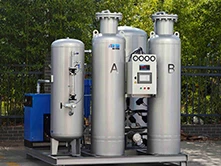
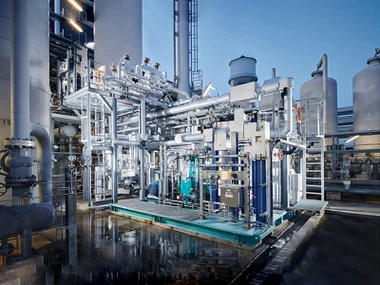
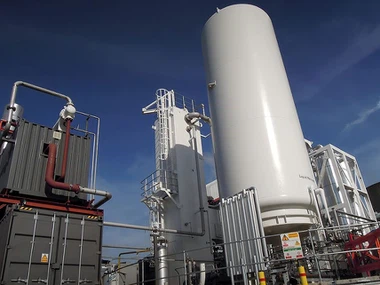


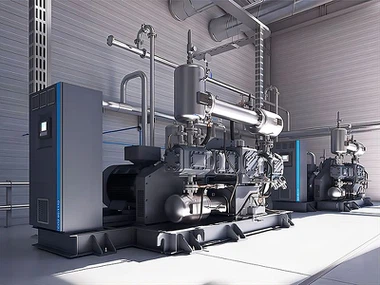
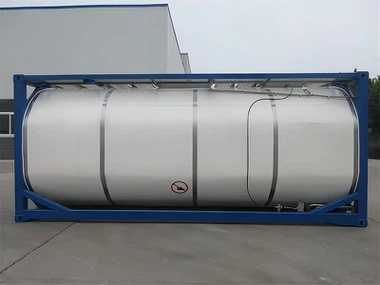


Gas Cryogenic Air Separation Plant
Description
Technical Parameters
●Large-Scale Production:
These units can produce high-purity oxygen, nitrogen, and argon at very high throughputs, ranging from 100 to over 5,000 tons per day, making them ideal for meeting large-scale industrial needs.
●Traditional:
There is a trade-off between product gas purity and energy consumption-higher purity requirements lead to higher energy consumption. Advanced process design can optimize energy utilization while ensuring the required purity level.
●Reliability:
The technology is proven and reliable, with uptime typically exceeding 99%, ensuring a continuous and stable gas supply for industrial processes.
●Flexibility:
By adjusting process parameters and configuration, these units can meet the specific needs of different industries, providing customized solutions for steel manufacturing, chemical production, medical applications, and electronics.

Key Process Steps
●Compression: Ambient air is compressed to increase its pressure, preparing it for the subsequent cooling and separation processes.
●Cooling and Liquefaction: The compressed air is cooled to extremely low temperatures through a series of heat exchangers, eventually transforming into a liquid state.
●Purification : Before entering the distillation column, impurities such as water vapor and carbon dioxide are removed to prevent blockages and ensure product purity.
●Distillation: The liquefied air undergoes cryogenic distillation, where separation occurs based on the different boiling points of the components:
Nitrogen: Lowest boiling point (-195.8°C) and evaporates first.
Argon: Intermediate boiling point (-185.8°C).
Oxygen: Highest boiling point (-183°C), remaining liquid longer.
Purity Assurance Methods in Air Separation Process
NEWTEK provides you with one-stop gas solutions!
Feed Air Pre-treatment
●Three-stage filtration: Primary + intermediate + high-efficiency filters remove dust and oil mist
●Deep dehydration: Cooling condensation + adsorption drying reduces dew point to below -40°C
●Harmful component removal: Molecular sieves eliminate CO₂ and hydrocarbons
Efficient Distillation Process Design
●Dual-tower optimization: Lower tower for initial separation of oxygen-enriched liquid air and crude nitrogen; upper tower with controlled reflux ratiofor high-purity products
●Argon separation: Side stream extraction → crude argon tower for nitrogen removal → pure argon tower for purification
●Precise parameter control: DCS system monitors tower temperature
Real-time Monitoring and Control
●Online analysis: Purity analyzers at key points for real-time monitoring of O₂/N₂/Ar purity
●Automatic adjustment: Temperature, pressure, and reflux ratio adjusted based on monitoring data
●Multi-point sampling: Sampling points at tower outlets and pipelines for secondary verification
Equipment Sealing and Thermal Insulation
●Leak prevention: Double-layer sealing + helium leak detection to prevent air infiltration
●Cryogenic maintenance: High-performance insulation reduces cold loss and maintains stable distillation environment
Gas Cryogenic Air Separation Plants Application Fields
●Iron and Steel Industry: Supplies high-purity oxygen (≥99.6%) for converter/electric furnace smelting (boosts temperature, cuts time); by-product nitrogen for steel cooling, purging, and oxidation prevention.
●Chemical & Petrochemical Industry: Provides oxygen as raw material for chemical synthesis (ammonia, methanol); nitrogen as inert gas for reactor/tank protection, and petrochemical process purging.
●Healthcare Industry: Produces medical-grade oxygen (≥99.5%, pharmacopoeia-compliant) for therapy/surgery; nitrogen for drug sterile packaging and biological sample cryopreservation.
●Electronics & Semiconductor Industry: Supplies ultra-high-purity nitrogen (≥99.9999%) for semiconductor cleaning/protection; high-purity oxygen for plasma etching precision.
FAQ
Q: What purity levels of oxygen, nitrogen, and argon can a gas cryogenic air separation plant typically achieve?
A: It depends on application needs. For standard industrial use, it can produce oxygen (≥99.6%), nitrogen (≥99.999%), and argon (≥99.999%). For ultra-high-purity demands (e.g., semiconductor industry), with advanced purification modules, nitrogen purity can reach ≥99.9999%, and argon ≥99.9999%.
Q: How much energy does a cryogenic air separation plant consume, and are there ways to optimize it?
A: A typical plant consumes 0.45-0.6 kWh per Nm³ of oxygen. Optimization methods include: using high-efficiency heat exchangers to reduce cold loss, adopting variable-frequency compressors to match load changes, and recycling waste heat from compression for preheating.
Q: What is the normal service life of such a plant, and what maintenance is required regularly?
A: The design service life is 15-20 years. Regular maintenance includes: replacing molecular sieves (every 3-5 years), inspecting heat exchanger tightness (annually), cleaning filters (quarterly), and calibrating online purity analyzers (semi-annually) to ensure stable operation.
Q: Can the plant adjust its gas output according to changes in on-site demand?
A: Yes. Most modern plants are equipped with load-adjustable systems, which can flexibly adjust output between 70%-110% of the rated capacity. For example, if steelmaking demand drops, it can reduce oxygen production and increase nitrogen output (if needed) via DCS control.
Hot Tags: gas cryogenic air separation plant, China gas cryogenic air separation plant , suppliers, factory, Cryogenic ASU, Cryogenic Air Separation Nitrogen, Cryogenic Air Separation Plant
Previous
Cryogenic Asu EquipmentSend Inquiry
Get in Touch
Write Your Message


