

 日本語
日本語 한국어
한국어 Français
 Deutsch
 Español
 Italiano
 Português
 Việt Nam
 Türkçe
 عربي
عربي  русский
  简体中文
简体中文 Čeština
 ไทย
ไทย Eesti
Eesti Gaeilgenah Éireann
 Bai Miaowen
 íslenska
 Cymraeg
 Български
 اردو
اردو Polski
 hrvatski
 українська
 bosanski
 فارسی
فارسی Lietuvių
 Latviešu
 עברית
עברית România limbi
 Ελληνικά
 dansk
dansk magyar
 Norsk
Norsk suomi
suomi Nederlands
 Svenska
 slovenčina
 slovenščina
 हिंदी
हिंदी Indonesia
 Melayu
 Malti
Malti Kreyòl Ayisyen
 Català
 বাংলা
বাংলা Srbija jezik (latinica)
 O'zbek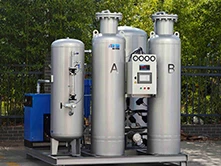
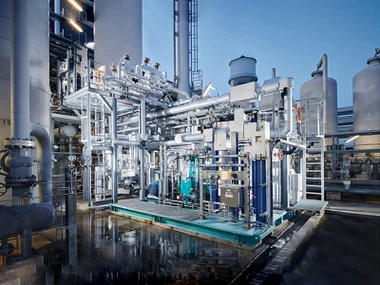
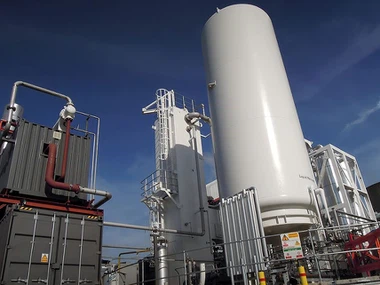


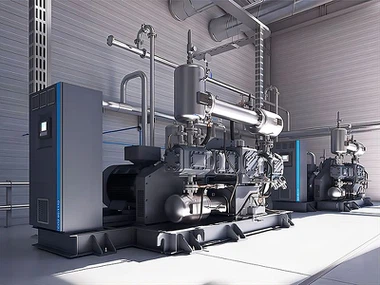
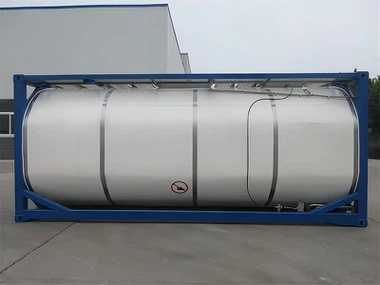


Cryogenic Air Separation Plants (ASU)
Description
Technical Parameters
●Ultra-high purity:
Consistently delivers gases with purity over 99.99%, even up to 99.999% for specialized needs, meeting strict standards of precision industries.
●Large-scale output:
Capable of producing thousands of cubic meters per hour, adapting to large industrial demands like steelmaking and chemical production.
●Cost efficiency in long term:
Though initial investment is high, lower energy consumption and stable operation reduce long-term costs for large-scale users.
●Continuous operation:
Equipped with redundant systems, enabling 24/7 uninterrupted operation to meet the continuous gas needs of industrial processes.

How it works
Air compression and purification
Air is compressed, then purified to remove moisture, carbon dioxide, and impurities via molecular sieves to prevent pipeline blockages.
Cryogenic cooling
Purified air is cooled to cryogenic temperatures through heat exchangers, using refrigerants to reach the condensation point of target gases.
Distillation separation
Cooled air enters distillation columns. Gases vaporize at their boiling points-nitrogen at -195.8°C, oxygen at -183°C-separating into pure components.
Product storage and compression
Separated gases are compressed and stored in cryogenic tanks or high-pressure cylinders for direct use or transportation.
application of Cryogenic Air Separation Plants
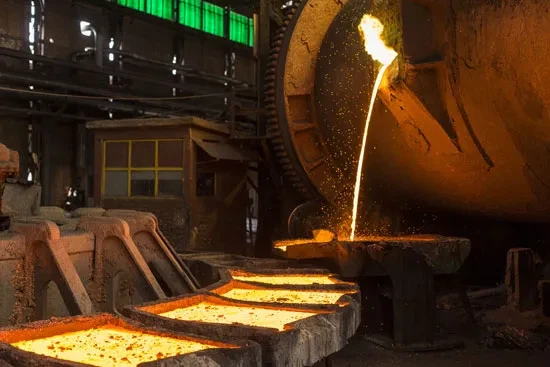


●Metallurgy: Supplies high-purity oxygen for steelmaking to boost combustion efficiency, and nitrogen for inert protection during metal processing, enhancing product quality.
●Large-scale chemical industry: Provides oxygen for oxidation reactions and nitrogen as an inert atmosphere in ammonia synthesis and chemical storage, ensuring process safety.
●Energy sector: Used in hydrogen production via steam methane reforming, where oxygen supports efficient fuel conversion, and nitrogen is for pipeline purging.
●Aerospace: Produces high-purity gases for rocket propellant preparation and aircraft component testing, meeting the strict purity requirements of aerospace applications.
FAQ
1.What is the minimum and maximum output of such plants?
AThey typically start from 500 Nm³/h and can reach over 10,000 Nm³/h, with customized designs available for larger-scale needs.
2.How long does it take to install and commission a cryogenic ASU?
Including civil works, it usually takes 6–12 months, depending on the scale and site conditions.
3.What are the main energy consumption components?
Compressors and refrigeration systems are the main energy consumers. Advanced models with heat recovery can reduce energy use.
4.Can they produce rare gases like neon and krypton?
Yes, with additional distillation stages, they can extract neon, krypton, and xenon as by-products for industries like electronics.
5.What maintenance is required regularly?
Routine maintenance includes replacing molecular sieves, cleaning heat exchangers, and checking cryogenic insulation. Major overhauls are needed every 5–8 years.
Hot Tags: cryogenic air separation plants (asu), China cryogenic air separation plants (asu) , suppliers, factory, Cryogenic ASU, Cryogenic Air Separation Plant, Cryogenic Air Separation Nitrogen
Send Inquiry
Get in Touch
Write Your Message


