

 日本語
日本語 한국어
한국어 Français
 Deutsch
 Español
 Italiano
 Português
 Việt Nam
 Türkçe
 عربي
عربي  русский
  简体中文
简体中文 Čeština
 ไทย
ไทย Eesti
Eesti Gaeilgenah Éireann
 Bai Miaowen
 íslenska
 Cymraeg
 Български
 اردو
اردو Polski
 hrvatski
 українська
 bosanski
 فارسی
فارسی Lietuvių
 Latviešu
 עברית
עברית România limbi
 Ελληνικά
 dansk
dansk magyar
 Norsk
Norsk suomi
suomi Nederlands
 Svenska
 slovenčina
 slovenščina
 हिंदी
हिंदी Indonesia
 Melayu
 Malti
Malti Kreyòl Ayisyen
 Català
 বাংলা
বাংলা Srbija jezik (latinica)
 O'zbek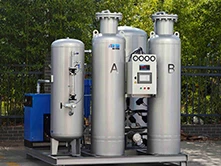


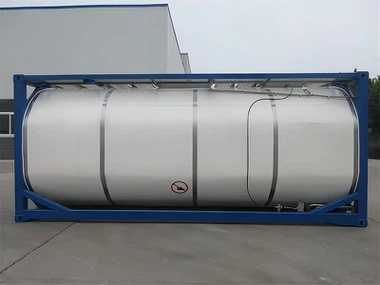

Cryogenic Oxygen Vs. PSA: Unraveling The Differences in Oxygen Production
Mar 09, 2024
Leave a message
In the realm of oxygen production, two primary methods stand out: cryogenic oxygen and Pressure Swing Adsorption (PSA). Both methods have revolutionized the way oxygen is extracted and utilized in various industries, including healthcare, manufacturing, and aerospace. In this in-depth analysis, we delve into the intricacies of these two processes, exploring their mechanisms, advantages, and applications.
Introduction: The Evolution of Oxygen Production
Oxygen, a vital element for life, has long been a subject of fascination and innovation in the field of science and industry. Historically, oxygen was obtained through labor-intensive methods such as fractional distillation of liquid air. However, the advent of cryogenic oxygen and PSA technology revolutionized the landscape of oxygen production, offering more efficient and cost-effective solutions.
Cryogenic Oxygen: Harnessing the Power of Low Temperatures
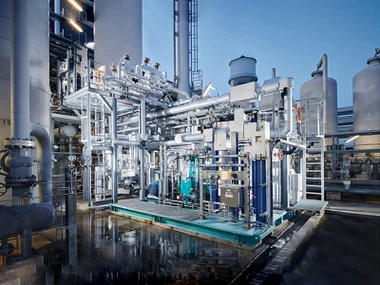
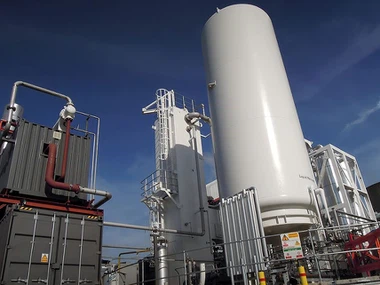
Cryogenic oxygen production relies on the principles of liquefaction and distillation of air. The process begins with the compression and cooling of atmospheric air to extremely low temperatures, causing it to condense into a liquid state. Subsequent distillation separates oxygen from other gases, yielding high-purity oxygen suitable for various applications. Cryogenic oxygen plants are known for their large-scale production capacity and high purity levels, making them ideal for industrial and medical applications where large volumes of oxygen are required.
PSA: Innovating Oxygen Production Through Adsorption
Pressure Swing Adsorption (PSA) represents a paradigm shift in oxygen production technology. Unlike cryogenic methods, which rely on physical separation of gases through temperature manipulation, PSA utilizes adsorbent materials to selectively capture and release oxygen molecules from compressed air. The process involves cyclic pressurization and depressurization of adsorption beds, allowing oxygen to be selectively adsorbed while other gases are expelled. PSA systems offer advantages such as lower energy consumption, compact size, and modular design, making them well-suited for decentralized oxygen production in remote locations or medical facilities.
Differences Between Cryogenic Oxygen and PSA
While both cryogenic oxygen and PSA serve the same purpose of oxygen production, they differ significantly in their operating principles, scale, and applications. Cryogenic oxygen plants are typically large-scale facilities capable of producing high volumes of oxygen with purity levels exceeding 99.5%. In contrast, PSA systems are more compact and versatile, offering flexibility in production capacity and purity levels. Additionally, cryogenic oxygen plants require substantial infrastructure and energy input for cryogenic refrigeration, whereas PSA systems operate at ambient temperatures, resulting in lower operational costs.
Applications and Considerations
The choice between cryogenic oxygen and PSA depends on various factors, including production volume, purity requirements, energy availability, and space constraints. Cryogenic oxygen plants are well-suited for applications requiring large volumes of high-purity oxygen, such as steel manufacturing, chemical synthesis, and medical gas supply. On the other hand, PSA systems find applications in decentralized oxygen generation for medical facilities, water treatment, and environmental remediation.
Conclusion: Advancing Oxygen Production Through Innovation
In the ever-evolving landscape of oxygen production, cryogenic oxygen and PSA technology represent two distinct yet complementary approaches. While cryogenic methods offer unparalleled scale and purity, PSA systems provide flexibility, efficiency, and accessibility. As industries continue to evolve and demand for oxygen grows, ongoing research and innovation will drive further advancements in both cryogenic and PSA technology, ensuring a sustainable and reliable supply of this essential element for generations to come.