

 日本語
 한국어
 Français
 Deutsch
 Español
 Italiano
 Português
 Việt Nam
 Türkçe
 عربي
 русский
 简体中文
 Čeština
 ไทย
 Eesti
 Gaeilgenah Éireann
 Bai Miaowen
 íslenska
 Cymraeg
 Български
 اردو
 Polski
 hrvatski
 українська
 bosanski
 فارسی
 Lietuvių
 Latviešu
 עברית
 România limbi
 Ελληνικά
 dansk
 magyar
 Norsk
 suomi
 Nederlands
 Svenska
 slovenčina
 slovenščina
 हिंदी
 Indonesia
 Melayu
 Malti
 Kreyòl Ayisyen
 Català
 বাংলা
 Srbija jezik (latinica)
 O'zbek


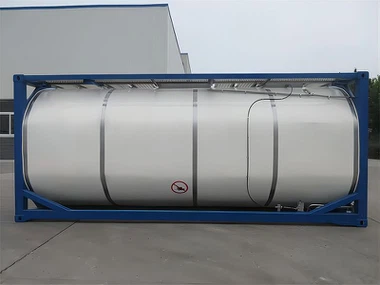

What Is The Working Principle Of Oxygen Generation Plant?
Mar 30, 2024
Leave a message
Oxygen generation plants provide a reliable source of oxygen gas. The working principle of these plants is based on the physical phenomenon of adsorption. Oxygen is separated from atmospheric air by using a molecular sieve bed, which selectively adsorbs nitrogen and moisture from compressed air. The process of oxygen production through adsorption is widely used in various industries, such as healthcare, manufacturing, aerospace, and metallurgy.
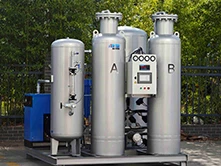
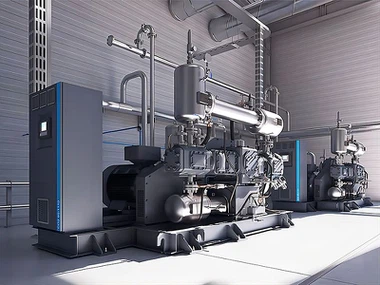
The oxygen generation plant consists of several components including an air compressor, a refrigerated dryer, a filtration system, and a molecular sieve bed. The air compressor compresses the ambient air and delivers it to the refrigerated dryer, where moisture is removed. The clean and dry air is then sent to the filtration system, which removes oil and other impurities. Finally, the compressed air is directed to the molecular sieve bed, where nitrogen and moisture are adsorbed, leaving behind a high concentration of oxygen gas.
The unique feature of oxygen generation plants is the ability to produce oxygen on-site, without the need for storage or transportation of oxygen cylinders. This eliminates the risk of accidents during transportation and reduces costs associated with purchasing and refilling oxygen cylinders. The plants are also environmentally friendly since they do not emit any pollutants or greenhouse gases.
Oxygen generation plants find applications in several industries where oxygen is required for various processes. In the healthcare sector, oxygen is used for respiratory support and medical procedures such as anesthesia and oxygen therapy. The plants are also used in metallurgical processes for steelmaking, where oxygen is required for combustion. In the aerospace industry, oxygen generation plants are used for life-support systems in aircraft and spacecraft.
In conclusion, the working principle of oxygen generation plants is based on the physical phenomenon of adsorption. These plants offer several advantages including the ability to produce oxygen on-site, cost-effectiveness, and eco-friendliness. The plants have widespread applications in various industries, such as healthcare, manufacturing, aerospace, and metallurgy.