

 日本語
日本語 한국어
한국어 Français
 Deutsch
 Español
 Italiano
 Português
 Việt Nam
 Türkçe
 عربي
عربي  русский
  简体中文
简体中文 Čeština
 ไทย
ไทย Eesti
Eesti Gaeilgenah Éireann
 Bai Miaowen
 íslenska
 Cymraeg
 Български
 اردو
اردو Polski
 hrvatski
 українська
 bosanski
 فارسی
فارسی Lietuvių
 Latviešu
 עברית
עברית România limbi
 Ελληνικά
 dansk
dansk magyar
 Norsk
Norsk suomi
suomi Nederlands
 Svenska
 slovenčina
 slovenščina
 हिंदी
हिंदी Indonesia
 Melayu
 Malti
Malti Kreyòl Ayisyen
 Català
 বাংলা
বাংলা Srbija jezik (latinica)
 O'zbek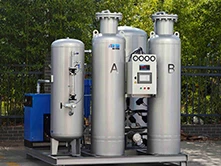
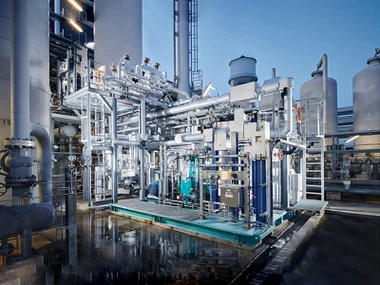
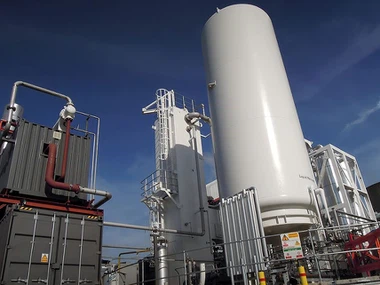


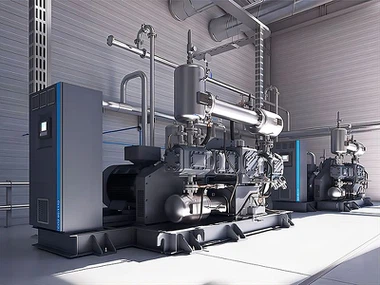
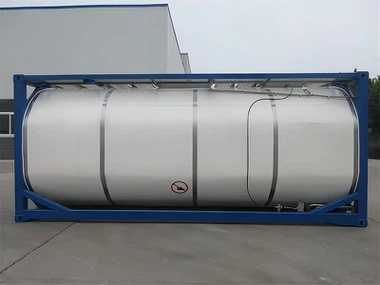


PSA Oxygen Gas Generator Plant
Description
Technical Parameters
Main Production Capabilities
Our oxygen production capacity and purity are divided into multiple mainstream specifications, ranging from 0.5 to 200 Nm³/h. The oxygen purity can reach a stable 93% ± 3% (conventional industrial grade). Some of NEWTEK's high-end models achieve purity as high as 99.5% (suitable for medical and fine chemical applications) through optimized molecular sieve filling and adsorption processes. A single unit can accommodate different pressure requirements (0.2-1.0 MPa), supporting modular expansion solutions tailored to user capacity needs.

Technological advantages
Low Energy and Cost
No cryogenic refrigeration system is required, and operating energy consumption is only 60%-70% of that of similarly sized air separation plants. Air is the raw material, significantly reducing raw material and transportation costs.
Flexible Adjustment
With a short adsorption-desorption cycle (1-3 minutes), the system takes only 15-30 minutes from startup to producing qualified oxygen, and oxygen production can be adjusted in real time based on oxygen demand.
High Stability and Low Maintenance
The use of wear-resistant molecular sieves (with a service life of 3-5 years) and corrosion-resistant compressor components ensures a low failure rate, requiring only regular filter element replacement, minimizing maintenance.
Compact and Easy Installation
The modular design reduces the unit's footprint (saving over 50% space compared to traditional air separation plants), eliminating the need for complex civil engineering work. On-site operation requires only connecting power and air lines for immediate operation.
Technical Parameters
| NTK95 Series PSA Oxygen Plant Model Selection | ||||||
| No. | Models | Capacity (Nm3/hr) | Purity | Power consumption of 1Nm3 oxygen produced (kw/h) | Number of bottles filled in 12 hours (pcs) | Operator needed |
| 1 | NTK-5P | 5 | 95%+-1% | 3.54 | 10 | 2 |
| 2 | NTK-10P | 10 | 95%+-1% | 2.52 | 20 | 2 |
| 3 | NTK-15P | 15 | 95%+-1% | 2.31 | 30 | 2 |
| 4 | NTK-20P | 20 | 95%+-1% | 2.13 | 40 | 2 |
| 5 | NTK-25P | 25 | 95%+-1% | 2.01 | 50 | 2 |
| 6 | NTK-30P | 30 | 95%+-1% | 2.09 | 60 | 2 |
| 7 | NTK-40P | 40 | 95%+-1% | 1.81 | 80 | 2 |
| 8 | NTK-50P | 50 | 95%+-1% | 1.94 | 100 | 2 |
| 9 | NTK-60P | 60 | 95%+-1% | 1.62 | 120 | 2 |
| 10 | NTK-80P | 80 | 95%+-1% | 1.92 | 160 | 2 |
| 11 | NTK-100P | 100 | 95%+-1% | 1.83 | 200 | 2 |
| Design basis: Altitude:≤500m;RH:≤80%;Temperature:0℃-38℃;Filling pressure: 150Bar 40L Type Standard Cylinder |
fAQ
1.What is the core operating principle of a PSA oxygen generator? What are its key differences compared to traditional air separation oxygen production?
Based on pressure swing adsorption technology, it uses air as the feedstock. Molecular sieves selectively adsorb impurities such as nitrogen and carbon dioxide, producing high-purity oxygen through a "pressurized adsorption-depressurized desorption" cycle. Compared to traditional air separation oxygen production, it eliminates the need for cryogenic refrigeration and complex distillation equipment, offering greater flexibility in startup and shutdown, making it more suitable for small- to medium-sized, decentralized oxygen applications. Its energy consumption is only 60%-70% of that of similarly sized air separation units.
2.What is the oxygen output and purity range of a PSA oxygen generator? Can it be customized to meet user needs?
Mainstream oxygen output ranges range from 0.5 to 200 Nm³/h. Conventional industrial-grade oxygen achieves a stable purity of 93% ± 3%. High-end models, through process optimization, can achieve purity levels as high as 99.5% (suitable for medical and fine chemical applications). Customizable and adjustable, a single unit can accommodate pressures between 0.2 and 1.0 MPa. Modular design also allows for expansion of production capacity to meet future oxygen demand.
3.What are the special requirements for using PSA oxygen concentrators in the medical field? What are their advantages?
They must comply with relevant medical oxygen standards, such as equipment materials that are resistant to contamination from the media, oxygen purity that must be consistently above 93% (99.5% in some scenarios), and a real-time purity monitoring and alarm system. Their advantages include 24/7 continuous oxygen supply, eliminating the need for bottled oxygen transportation and the risk of shipping delays and supply interruptions. Furthermore, they can flexibly adjust production based on fluctuations in oxygen demand in wards and ICUs.
4.What are the key maintenance steps in the daily operation of PSA oxygen concentrators? What is the typical service life of molecular sieves?
Daily maintenance focuses on regularly replacing air filter elements (to prevent impurities from clogging the molecular sieve) and checking the compressor's operating status and pressure parameters. Long-term attention should also be paid to the molecular sieve's performance. Made of wear-resistant material, it has a service life of 3-5 years under normal operating conditions. This service life can be further extended if the raw air is pretreated (e.g., with efficient oil and water removal).
Hot Tags: psa oxygen gas generator plant, China psa oxygen gas generator plant , suppliers, factory, Psa Oxygen Plant
Send Inquiry
Get in Touch
Write Your Message


