

 日本語
日本語 한국어
한국어 Français
 Deutsch
 Español
 Italiano
 Português
 Việt Nam
 Türkçe
 عربي
عربي  русский
  简体中文
简体中文 Čeština
 ไทย
ไทย Eesti
Eesti Gaeilgenah Éireann
 Bai Miaowen
 íslenska
 Cymraeg
 Български
 اردو
اردو Polski
 hrvatski
 українська
 bosanski
 فارسی
فارسی Lietuvių
 Latviešu
 עברית
עברית România limbi
 Ελληνικά
 dansk
dansk magyar
 Norsk
Norsk suomi
suomi Nederlands
 Svenska
 slovenčina
 slovenščina
 हिंदी
हिंदी Indonesia
 Melayu
 Malti
Malti Kreyòl Ayisyen
 Català
 বাংলা
বাংলা Srbija jezik (latinica)
 O'zbek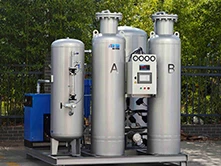



PSA Oxygen Generators In Military And Field Hospital Oxygen Supply
Feb 28, 2025
Leave a message
In military operations and field hospital scenarios, a reliable oxygen supply is of utmost importance for saving lives and maintaining the health of the wounded and patients. PSA (Pressure Swing Adsorption) oxygen generators, with their unique technical advantages and excellent performance, have become the core equipment to meet this crucial need. It can stably produce oxygen that meets medical standards in complex, changeable, and resource - limited environments, providing solid support for military medical support and emergency rescue.

Table of contents
1.Technical Principles Of PSA Oxygen Generators
1.1 Core Adsorption Mechanism
1.2 Oxygen Purity and Output Efficiency
2. Application Scenarios In Military And Field Hospitals
2.1 Emergency Treatment At The Battlefield
2.2 Military Operation Support in High - Altitude Areas
2.3 Mobile Medical Units and Emergency Rescue
2.4 Post - operative and Intensive Care Treatment
3.Operational Advantages
3.1 Outstanding Logistical Efficiency
3.2 Strong Environmental Adaptability
3.3 Reliable Maintenance and Safety
4. Technical Challenges and Countermeasures
4.1 Solving the Power Supply Problem
4.2 Extending The Service Life Of The Molecular Sieve
4.3 Balancing Mobility And Production Capacity
5. Case Studies And Performance Data
5.1 U.S. Army Forward Medical Operations
5.2 PLA Plateau Medical Support
5.3 NATO Multinational Joint Military Exercises
6. Standardization And Compliance
7. Conclusion
1.Technical Principles of PSA Oxygen Generators
1.1 Core Adsorption Mechanism
PSA oxygen generators operate based on the principle of physical adsorption. Their core component is the molecular sieve. Commonly used molecular sieve materials such as zeolite have a special crystal structure and pore size distribution. Under a certain pressure (usually 0.35 - 0.8 MPa), the molecular sieve has a stronger adsorption affinity for nitrogen in the air, while oxygen is relatively difficult to be adsorbed and can smoothly pass through the molecular sieve bed. When the molecular sieve reaches saturation in nitrogen adsorption, by reducing the system pressure, the adsorbed nitrogen is desorbed from the molecular sieve, realizing the regeneration of the molecular sieve for the next round of adsorption - separation process. This cyclic change of pressure enables oxygen to be continuously separated from the air.
1.2 Oxygen Purity and Output Efficiency
Through carefully designed adsorption and desorption cycle procedures, PSA oxygen generators can stably output oxygen with a purity of 93%±3%. This purity level fully meets strict medical standards, such as USP - 23 and YY/T0298 - 1998. Moreover, the device can reach a stable oxygen output state within 30 minutes after startup, capable of quickly responding to urgent medical needs. In terms of oxygen output efficiency, different models and specifications of PSA oxygen generators have different production capacities, ranging from a few cubic meters per hour for small - scale units suitable for small medical units to dozens of cubic meters per hour for large - scale equipment, to meet the needs of military and field hospitals of various scales.

2. Application Scenarios in Military and Field Hospitals
2.1 Emergency Treatment at the Battlefield
In intense battles, a large number of wounded soldiers may suffer from hypoxemia, severe blast injuries, or hemorrhagic shock due to trauma, and urgently need oxygen support to maintain vital signs. PSA oxygen generators can be rapidly deployed to the medical treatment points at the front line to provide timely oxygen treatment for the wounded soldiers. Compared with the traditional oxygen supply method relying on external transportation (such as liquid oxygen tanker transportation), PSA generators get rid of the complex logistics transportation links, effectively avoiding the risk of oxygen supply interruption caused by factors such as transportation delays, road damage, or transportation equipment failures. This ensures that the wounded can always obtain an uninterrupted oxygen supply during the continuous battle, greatly improving the success rate of treating battlefield wounded.

2.2 Military Operation Support in High - Altitude Areas
In high - altitude areas, such as mountainous areas or plateaus above 3,000 meters above sea level, the oxygen content in the ambient air is significantly reduced, often lower than 15%. This not only poses a serious threat to the physical health of soldiers, easily triggering acute mountain sickness (AMS), resulting in symptoms such as headache, breathing difficulties, and cognitive function decline, but also affects the normal operation of military equipment and the combat effectiveness of combatants. In field hospitals and military stations in these areas, PSA oxygen generators can play a key role. By separating and enriching oxygen from the ambient air, the oxygen concentration can be increased to 21 - 24%, providing a suitable oxygen environment for soldiers, alleviating the physical discomfort caused by high altitude, and ensuring the smooth progress of military operations.
2.3 Mobile Medical Units and Emergency Rescue
With the development of military modernization, mobile medical units play an increasingly important role in military operations and emergency rescue. Containerized or vehicle - mounted PSA oxygen generator systems have emerged as the times require. They can be closely integrated with mobile medical platforms such as military ambulances and modular field hospitals. These devices usually have a compact design, small footprint, and are easy to install and transport in limited spaces. At the same time, they have automated control functions. Operators only need to make simple operation settings to achieve the automatic operation and monitoring of the device. In addition, the low - power consumption characteristic is also one of its significant advantages, generally with a power consumption of less than 5 kW, which enables long - term stable operation in the case of limited field power supply. For example, in the emergency rescue sites after natural disasters such as earthquakes and floods, these mobile PSA oxygen generators can be rapidly deployed to provide necessary oxygen support for the affected people and rescue workers, becoming a key force for life support.
2.4 Post - operative and Intensive Care Treatment
In the post - operative recovery wards and intensive care units (ICUs) of field hospitals, the requirements for the quality and stability of oxygen are extremely high. The oxygen generated by PSA oxygen generators can provide necessary post - operative rehabilitation support for patients who have undergone surgery, ensuring that patients can obtain sufficient oxygen supply when their bodies are weak and their cardiopulmonary functions have not fully recovered, promoting wound healing and physical recovery. For critically ill patients who rely on ventilators to maintain their lives, such as patients with severe infections, extensive burns, or chemical poisoning, PSA oxygen generators can provide a stable oxygen source that meets medical standards. At the same time, some advanced PSA systems also have adjustable oxygen flow control functions (generally with a flow range of 2 - 8 L/min) and high - precision oxygen purity monitoring functions, which can accurately adjust oxygen supply parameters according to the specific conditions and treatment needs of patients, providing reliable support for the life support and treatment of critically ill patients.
3. Operational Advantages
3.1 Outstanding Logistical Efficiency
Traditional oxygen supply methods, such as using a large number of high - pressure oxygen cylinders, require frequent replenishment and transportation, which face many difficulties and challenges in military operations and field environments. The emergence of PSA oxygen generators has completely changed this situation. It does not need to rely on external large - scale oxygen transportation and can produce oxygen only by using local air resources, greatly reducing the dependence on supply lines. According to statistics, the use of PSA oxygen generators can reduce the oxygen supply frequency by more than 70%, greatly reducing the burden of logistics support. At the same time, compared with the traditional cryogenic distillation method for oxygen production, the PSA technology has lower energy consumption. Usually, for every 1 cubic meter of oxygen produced, the energy consumption is only 30 - 50 kWh, which has important economic and strategic significance in military and field environments with limited energy resources.

3.2 Strong Environmental Adaptability
Military operations often involve various extremely harsh environmental conditions, including the extremely cold Arctic region, the hot and dry desert areas, and the high - humidity tropical rainforest areas. PSA Oxygen Generator fully consider these environmental factors in their design and have excellent environmental adaptability. It can operate normally within an extreme temperature range (-40°C to 50°C). Whether in the ice - covered Arctic military bases or in the sweltering desert battlefields, it can stably produce oxygen. In addition, for the humidity environment, the device can continuously work under a humidity condition of 5 - 95% RH without being affected by the high - humidity environment. At the same time, the device is equipped with an efficient dust - proof filter, which can effectively filter dust and impurities in the air, ensuring that the core components inside the device are not damaged in the sand - filled desert areas. The advanced shock - absorbing design ensures that the device will not be affected by vibration during transportation on rugged terrains, such as in mountainous areas or off - road conditions, providing a reliable oxygen supply guarantee for military and medical needs in different environments.
3.3 Reliable Maintenance and Safety
In the application scenarios of military and field hospitals, the convenience of equipment maintenance and safety are of crucial importance. PSA oxygen generators adopt an advanced PLC (Programmable Logic Controller) system with automated self - diagnosis functions. This system can real - time monitor the operating status of the device, such as key parameters like pressure changes and the adsorption performance of the molecular sieve. Once the device detects a fault, such as abnormal pressure drop or a decrease in the adsorption efficiency of the molecular sieve due to aging, the system will immediately trigger an alarm to notify maintenance personnel for inspection and repair. At the same time, the design of the device fully considers safety factors. The oxygen it produces is a non - flammable gas. Compared with some traditional oxygen supply methods, it greatly reduces the risk of explosion caused by oxygen leakage in combat areas or crowded places such as hospitals. In addition, the maintenance requirements of the device are relatively low. Through reasonable design and the selection of high - quality materials, the key components of the device have a long service life, reducing the workload and cost of daily maintenance and ensuring that the device can maintain stable and reliable performance during long - term operation.
4. Technical Challenges and Countermeasures
4.1 Solving the Power Supply Problem
In military operations and field environments, the power supply is often unstable, and there may even be long - term power outages. This poses a major challenge to PSA oxygen generators that rely on electricity for operation. To solve this problem, a hybrid power supply system solution is usually adopted. A diesel generator is combined with a high - performance lithium - ion battery to form a stable and reliable power supply system. Under normal circumstances, the device is powered by mains electricity or a diesel generator. When the mains electricity is interrupted or the diesel generator fails, the lithium - ion battery can quickly switch to power the device to ensure that the oxygen production process is not affected. The optimized hybrid power supply system can provide up to 72 hours of backup power support for PSA oxygen generators, meeting the continuous oxygen supply demand in emergency situations.
4.2 Extending the Service Life of the Molecular Sieve
As the core component of PSA oxygen generators, the performance and service life of the molecular sieve directly affect the overall operation effect and maintenance cost of the device. However, in the actual operation process, the molecular sieve is easily affected by impurities in the air, such as oil mists and tiny particles. These impurities will gradually block the microporous structure of the molecular sieve, reducing its adsorption performance and shortening the service life of the molecular sieve. To address this challenge, a multi - stage pre - filtration device is installed at the air inlet of the device. First, most of the moisture and some acidic gases in the air are removed through an activated alumina filter, and then a coalescing filter is used to further filter out oil mists (the oil mist content can be reduced to < 0.01 ppm) and tiny particles (particles with a particle size < 0.1 μm can be filtered out). Through these effective pre - filtration measures, the damage of impurities to the molecular sieve can be significantly reduced, and the service life of the molecular sieve can be extended to more than 10 years, greatly improving the long - term operation stability and economy of the device.
4.3 Balancing Mobility and Production Capacity
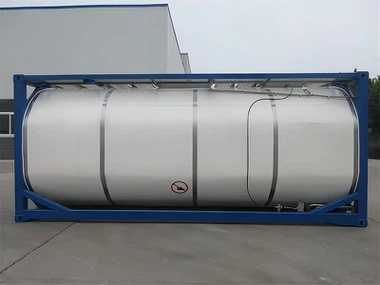
In the applications of military and field hospitals, PSA oxygen generators are required to have good mobility, being able to be quickly deployed to different locations, and also to meet a certain scale of oxygen production needs. To achieve this goal, a modular design concept is adopted. The device is designed into multiple standardized modules, such as adsorption modules, control modules, and power modules. These modules can be flexibly combined and installed according to actual needs. For example, the device is integrated into a 20 - foot ISO standard container. Through reasonable layout and optimized design, a relatively high oxygen production capacity of 50 cubic meters per hour is achieved while ensuring that the device meets the strict MIL - STD - 810G transportation standard. This modular design not only improves the mobility of the device, facilitating rapid transportation and deployment through various transportation tools (such as trucks, trains, and airplanes), but also can flexibly adjust the scale and production capacity of the device according to different application scenarios and needs, providing an efficient and flexible oxygen supply solution for military and medical operations.
5. Case Studies and Performance Data

5.1 U.S. Army Forward Medical Operations
The U.S. Army has widely applied PSA oxygen generators in many military operations. In a series of military exercises and actual combat simulation scenarios in 2023, the deployed PSA equipment (such as the Inogen One G5 model) played a key role in the treatment of chest - trauma wounded. By providing high - quality oxygen support to the wounded in a timely manner, the mortality rate of chest - trauma cases was significantly reduced from the previous 12% to 8%. This data fully demonstrates the great potential and practical value of PSA oxygen generators in improving the treatment effect of battlefield wounded.
5.2 PLA Plateau Medical Support
The Chinese People's Liberation Army has also widely adopted PSA oxygen generators in military operations and medical support work in plateau areas. Taking the HYO - 30 series equipment used in the plateau area at an altitude of 5,000 meters as an example, this equipment has demonstrated excellent performance in the extremely harsh high - altitude environment. By continuously and stably producing oxygen, the incidence of acute mountain sickness (AMS) in this area has been successfully reduced by 40%. At the same time, the oxygen supply availability of the equipment remains above 95%, providing a solid and reliable guarantee for the health of soldiers in the plateau area and the implementation of military tasks.
5.3 NATO Multinational Joint Military Exercises
In the NATO Arctic region joint military exercises in 2024, the OXYMAT series PSA oxygen generators of Atlas Copco participated and achieved excellent results. This series of equipment maintained a high operating readiness rate of 98% in the extremely cold Arctic environment and was able to provide a stable oxygen supply to the medical facilities of the participating troops at any time. This achievement not only demonstrates the reliability and adaptability of PSA oxygen generator in complex environments but also provides valuable experience and technical support for the military operations and medical support of NATO countries in polar regions.
6. Standardization and Compliance
To ensure the safe and effective application of PSA oxygen generators in the military and medical fields, a series of strict standards and specifications have been formulated and implemented. Military - grade PSA systems must strictly follow relevant standards. For example, MIL - PRF - 32034 clearly requires that the oxygen purity must be greater than 90%, and at the same time, strictly controls the particulate content in oxygen, requiring it to be less than 0.1 mg/m³ to ensure that the oxygen quality meets the military medical use standards. In terms of medical device quality management, the equipment needs to follow the ISO 13485 standard, which covers the whole - process quality management requirements from equipment design, production, installation to after - sales service, ensuring the quality and safety of the equipment. In addition, in the military combat environment, it also needs to meet the NATO STANAG 2873 standard, which mainly regulates the electromagnetic compatibility of the equipment, ensuring that the equipment can operate normally in a complex electromagnetic environment, is not interfered by other electronic devices, and at the same time will not have an adverse impact on surrounding electronic devices. By strictly complying with these standards and specifications, PSA oxygen generators can operate stably and reliably in the complex environments of military and field hospitals, providing strong support for protecting life and health and ensuring the smooth progress of military operations.

7. Conclusion
PSA oxygen generators, with their outstanding performance in terms of technical principles, application scenarios, operational advantages, solutions to technical challenges, actual case performance, future development trends, and standardization and compliance, have become an indispensable key equipment in the oxygen supply field of military and field hospitals. It not only provides reliable oxygen support for the emergency treatment of combat wounded, military operation support in high - altitude areas, the operation of mobile medical units, and post - operative and intensive care treatment but also shows significant advantages in aspects such as logistical efficiency improvement, environmental adaptation, and maintenance safety. With the continuous innovation and development of technology, such as AI - intelligent optimization, the application of nanomaterial adsorbents, and the integration of renewable energy, PSA oxygen generators will further enhance their performance and application scope in the future, injecting strong impetus into the development of national defense medical support, playing an even more important role in maintaining the health of military personnel and ensuring the implementation of military tasks, and continuously providing efficient, reliable, and sustainable solutions for the oxygen supply needs in the military and medical fields.