

 日本語
日本語 한국어
한국어 Français
 Deutsch
 Español
 Italiano
 Português
 Việt Nam
 Türkçe
 عربي
عربي  русский
  简体中文
简体中文 Čeština
 ไทย
ไทย Eesti
Eesti Gaeilgenah Éireann
 Bai Miaowen
 íslenska
 Cymraeg
 Български
 اردو
اردو Polski
 hrvatski
 українська
 bosanski
 فارسی
فارسی Lietuvių
 Latviešu
 עברית
עברית România limbi
 Ελληνικά
 dansk
dansk magyar
 Norsk
Norsk suomi
suomi Nederlands
 Svenska
 slovenčina
 slovenščina
 हिंदी
हिंदी Indonesia
 Melayu
 Malti
Malti Kreyòl Ayisyen
 Català
 বাংলা
বাংলা Srbija jezik (latinica)
 O'zbek


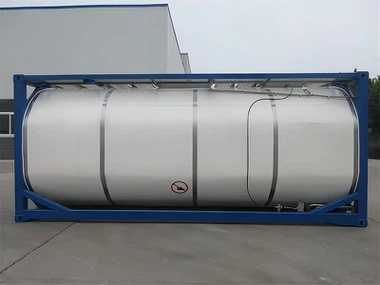

Air Separation Unit Demystified: Working Principle & Uses
Dec 25, 2025
Leave a message
As industries worldwide pursue high efficiency, low carbon emissions, and high-purity gas supply, Air Separation Units (ASUs) have become the cornerstone of modern industrial infrastructure. NEWTEK, a global high-end gas solution provider, offers state-of-the-art ASU systems that deliver cost-effective, large-scale production of high-purity oxygen, nitrogen, and argon. Compared to conventional gas supply methods, NEWTEK's cryogenic air separation technology stands out with superior efficiency, lower unit gas costs, and unmatched adaptability to large-scale operations-empowering industries from steelmaking to healthcare with reliable gas solutions.
But what defines an ASU, how does it achieve precise gas separation, and why is NEWTEK's ASU technology trusted by global partners? This article dives into the working principles, core components, industrial applications, and optimization strategies of ASUs, while highlighting NEWTEK's expertise as a leader in the field.

What is an Air Separation Unit (ASU)?
An Air Separation Unit (ASU) is a sophisticated industrial facility designed to separate atmospheric air- a mixture of ~78% nitrogen, ~21% oxygen, ~0.93% argon, and trace impurities-into its individual high-purity components.
The primary function of an ASU is to extract these gases for critical industrial and (civilian) use. Nitrogen, valued for its inert properties, is widely used in chemical processing, electronics manufacturing, and food preservation; oxygen serves as a key enabler for combustion in steelmaking and life-saving respiratory support in healthcare; argon is indispensable as a protective gas in welding and semiconductor production.
For NEWTEK, an ASU is more than just equipment-it's a strategic solution that bridges the gap between raw air and industrial innovation. With over 9,000 systems installed worldwide, NEWTEK's ASUs support diverse industries, from large-scale steel mills to government hospitals in the Philippines, converting ubiquitous air into high-value resources that drive economic growth and sustainable development. Understanding NEWTEK's ASU technology is key to unlocking efficiency and reliability in modern manufacturing and service sectors.
ASU Key Technologies & Principles Explained
NEWTEK's ASUs leverage advanced thermodynamics and material science, with cryogenic distillation as the core separation technology. While membrane separation and adsorption processes (e.g., PSA) are suitable for small-scale or low-purity needs, cryogenic distillation remains the gold standard for large-scale, high-purity gas production-aligning with NEWTEK's commitment to serving global industrial demands.
Cryogenic Distillation Principle
Cryogenic distillation is the backbone of NEWTEK's ASU systems, relying on the distinct boiling points of air's main components: nitrogen (-195.8°C), argon (-185.9°C), and oxygen (-183.0°C).
The process begins with compressed, pre-cooled, and purified air being fed into tall, specialized distillation columns. Inside these columns, the air is liquefied at ultra-low temperatures. Due to its lower boiling point, nitrogen vaporizes first and rises to the top of the column, while oxygen-with a higher boiling point-remains liquid at the bottom. Argon, present in trace amounts, is collected from the middle section of the column, where its boiling point aligns with the temperature gradient.
The separation process involves continuous vaporization and condensation, with vapor and liquid phases flowing counter-currently to maximize heat and mass exchange. NEWTEK's precision engineering ensures strict control of temperature and pressure gradients in the columns, guaranteeing gas purity that meets even the most demanding industrial and medical standards. This advanced distillation technology is why NEWTEK's ASUs, such as the 4x40000Nm³/h project in Peru and the 51000Nm³/h system in the Philippines, are trusted for large-scale, high-performance applications.
Joule-Thomson Effect in Cooling
Achieving the ultra-low temperatures required for cryogenic distillation relies on the Joule-Thomson effect-a thermodynamic principle that NEWTEK has optimized for maximum efficiency. This effect describes the temperature drop of a real gas when it expands adiabatically (without heat exchange with the surroundings) through a valve or turbine.
In NEWTEK's ASUs, compressed high-pressure air is passed through an expansion device, causing it to expand rapidly. To overcome intermolecular attractive forces during expansion, the gas consumes its internal energy, resulting in a significant temperature decrease. The cooled gas then flows through a heat exchanger to pre-cool incoming compressed air, forming a regenerative cooling loop. This cyclic process of expansion and heat exchange continuously lowers the air temperature until liquefaction is achieved, producing liquid oxygen, liquid nitrogen, and liquid argon.
The Joule-Thomson effect is integral to NEWTEK's energy-efficient ASU design, enabling the sustained cryogenic conditions needed for high-purity separation while minimizing energy consumption-a key focus of the company's commitment to sustainability.
Key Components in ASU Systems
NEWTEK's ASUs are integrated systems comprising five core components, each engineered to work in harmony to deliver reliable, high-purity gas output. The table below outlines their functions and importance:
| Component | Function | Importance |
|---|---|---|
| Air Compressor | Draws and compresses atmospheric air to high pressure | Provides the necessary pressure for liquefaction; NEWTEK's multi-stage compressors enhance energy efficiency and stability |
| Pre-Cooling System | Cools compressed air using mechanical refrigeration and heat exchangers | Reduces the load on cryogenic cooling systems; removes water vapor to prevent ice blockages |
| Molecular Sieve Purification System | Removes water vapor, CO₂, and hydrocarbons from air | Eliminates contaminants that cause equipment fouling; ensures gas purity and long-term system reliability |
| Cryogenic Distillation Column | Separates liquefied air into oxygen, nitrogen, and argon | Core of the ASU; NEWTEK's precision-engineered columns determine final product purity and yield |
| Liquefier | Maintains ultra-low temperatures via refrigeration cycles | Sustains cryogenic conditions for distillation; ensures continuous liquefaction of air |
Air Compressor and Pre-cooling
The air compressor is the starting point of NEWTEK's ASU workflow. It draws in atmospheric air and compresses it to high pressures (typically 5–10 MPa) using multi-stage industrial compressors-designed for 24/7 operation to meet the demands of large-scale projects like NEWTEK's 30,000Nm³/h ASU in Ghana. However, compression generates heat, raising the air temperature to over 100°C, which is incompatible with cryogenic processing.
The pre-cooling system addresses this by cooling the compressed air to 10–20°C using high-efficiency heat exchangers and mechanical refrigeration. This step serves three critical purposes: reducing the energy load on the subsequent cryogenic cooling stage, condensing and removing most water vapor (to avoid ice blockages in ultra-low temperature sections), and improving overall system efficiency. Together, NEWTEK's air compressors and pre-cooling systems ensure the air is conditioned to meet the strict requirements of downstream purification and separation processes.
Molecular Sieve Purification System
Even after pre-cooling, air contains trace contaminants (water vapor, CO₂, hydrocarbons) that can precipitate at cryogenic temperatures, causing pipeline blockages, poor heat transfer, and compromised product quality. NEWTEK's molecular sieve purification system eliminates these risks through selective adsorption.
Using high-performance molecular sieves (e.g., 4A, 5A, 13X), the system traps contaminants while allowing nitrogen, oxygen, and argon to pass through. NEWTEK's purification systems use Pressure Swing Adsorption (PSA/VPSA) or Temperature Swing Adsorption (TSA) with multiple adsorbent beds operating cyclically-ensuring continuous purification. While one bed adsorbs impurities, others regenerate (via pressure or temperature adjustment) to restore adsorption capacity. This design guarantees uninterrupted supply of clean air, critical for the reliable operation of NEWTEK's ASUs in demanding environments like steel mills and chemical plants.
Why Choose NEWTEK's Purification Solutions?

As a global leader in gas solutions, NEWTEK's purification systems are engineered to meet the rigorous demands of industrial ASU operations. Backed by decades of expertise in gas separation technology, NEWTEK's purification solutions ensure:
Ultra-high gas purity: Effectively removes water vapor, CO₂, and hydrocarbons, meeting the strictest industry standards.
Reliable performance: Cyclic adsorption design minimizes downtime, ensuring 24/7 operation for critical applications like medical oxygen supply.
Tailored solutions: Customized to match the specific air composition and purity requirements of each project, from small-scale medical facilities to large industrial complexes.
NEWTEK's commitment to quality is reflected in its global track record-including partnerships with leading enterprises and government hospitals worldwide. When you choose NEWTEK's purification solutions, you're investing in the reliability and longevity of your ASU system.
Distillation Columns and Liquefiers
NEWTEK's cryogenic distillation columns are engineering marvels-tall, complex structures (up to 60 meters high) equipped with trays or structured packing to maximize contact between vapor and liquid phases. These columns are the "heart" of the ASU, where the actual separation of liquefied air occurs.
Working in tandem with the columns, NEWTEK's liquefiers maintain ultra-low temperatures using advanced refrigeration cycles. By continuously removing heat from the system, liquefiers ensure the air remains liquid throughout the distillation process. Inside the columns, nitrogen (more volatile) rises to the top, while oxygen and argon (less volatile) collect at the bottom and middle, respectively. NEWTEK's precision control of temperature and pressure gradients ensures that the separated gases meet the high-purity requirements of industries like electronics and healthcare (medical-grade oxygen).
The specifications of NEWTEK's distillation columns and liquefiers are tailored to each project-whether it's a 45,000m³/h ASU optimized for energy efficiency or a modular system for remote locations. This flexibility makes NEWTEK a trusted partner for diverse applications worldwide.
Diverse Industrial Applications of ASU
NEWTEK's ASUs are deployed across a wide range of industries, providing high-purity gases that are essential for production, safety, and innovation. From steelmaking to healthcare, their applications are integral to modern industrial and social operations:
●Steelmaking: Oxygen enhances combustion efficiency in blast furnaces, reducing fuel consumption and increasing steel production rates; nitrogen is used for inerting to prevent oxidation.
●Chemical Industry: Nitrogen creates inert atmospheres for safe storage and reaction of flammable chemicals; oxygen serves as a reactant in oxidation processes .
●Healthcare: Medical-grade oxygen (purity ≥99.5%) supports respiratory therapy, anesthesia, and emergency resuscitation; nitrogen is used for biological specimen preservation.
●Electronics: High-purity nitrogen prevents oxidation during semiconductor manufacturing; argon is used as a protective gas in welding and chip packaging.
●New Energy: ASUs support hydrogen energy production and carbon capture, utilization, and storage (CCUS)-key to industrial decarbonization.
NEWTEK's global footprint includes ASU projects in Peru, the Philippines, Ghana, and beyond-each tailored to the unique needs of local industries and communities.
ASU in Steel Industry
The steel industry is one of the largest consumers of NEWTEK's ASU products. NEWTEK's high-purity oxygen (≥99.5%) is injected into blast furnaces and basic oxygen furnaces to boost combustion intensity, accelerating smelting and reducing fuel consumption per ton of steel. This not only improves production efficiency but also lowers carbon emissions-aligning with NEWTEK's commitment to industrial decarbonization.
Nitrogen from NEWTEK's ASUs is used for inerting and purging during steelmaking and continuous casting, preventing oxidation of molten steel and ensuring product quality. For example, NEWTEK's 4x40000Nm³/h ASU project in Peru supports large-scale steel production, delivering reliable oxygen and nitrogen supply to optimize the client's manufacturing process. The symbiotic relationship between NEWTEK's ASUs and the steel industry underscores the technology's role as a driver of efficiency and sustainability.
ASU in Chemical Industry
The chemical industry relies on NEWTEK's ASUs for safe, high-purity gas supply. Nitrogen is used as an inert blanketing gas in storage tanks and pipelines, eliminating the risk of combustion or explosion when handling flammable or oxygen-sensitive chemicals. It also serves as a purge gas to remove impurities from reaction systems, ensuring product purity.
Oxygen is a critical reactant in chemical synthesis-for example, in ethylene oxidation and methanol production. NEWTEK's ASUs deliver oxygen with consistent purity, preventing catalyst deactivation and ensuring stable reaction outcomes. The chemical industry's strict requirements for gas quality make NEWTEK's reliable, high-performance ASUs an ideal partner-with projects worldwide supporting everything from large-scale petrochemical plants to fine chemical manufacturers.
ASU in Healthcare
In healthcare, NEWTEK's ASUs are life-sustaining facilities. Hospitals and clinics require a continuous supply of medical-grade oxygen for respiratory therapy (e.g., for patients with COPD), anesthesia during surgeries, and emergency resuscitation. NEWTEK's ASUs for healthcare are designed with backup systems to ensure 24/7 operation-any interruption could have life-threatening consequences.
For example, NEWTEK partnered with government hospitals in the Philippines to establish oxygen supply systems, delivering medical-grade oxygen that meets international standards. Additionally, nitrogen from NEWTEK's ASUs is used to preserve blood, tissue, and other biological specimens, supporting medical research and patient care. NEWTEK's commitment to reliability and quality makes its ASUs a trusted choice for healthcare providers worldwide.
Optimizing ASU Performance: Key Factors
NEWTEK's ASUs are engineered to deliver optimal performance, with three key factors driving efficiency, reliability, and cost-effectiveness:
Purity and Flow Rate Demands
ASU design is tailored to the specific purity and flow rate requirements of each application. For example:
Medical oxygen requires purity levels above 99.999% with strict impurity limits, necessitating additional purification steps and precision distillation columns.
Industrial inert blanketing with nitrogen may require lower purity (e.g., 99.9%), allowing for simpler, more energy-efficient separation.
Flow rate requirements also vary-from small-scale research laboratories needing a few cubic meters per hour to integrated steel mills requiring 45,000m³/h or more. NEWTEK's engineering team works closely with clients to define these parameters upfront, ensuring the ASU is optimized for their needs without over-engineering.
Energy Efficiency and Cost
ASUs are energy-intensive, with air compression and refrigeration accounting for most of the power consumption. NEWTEK prioritizes energy efficiency as a core design principle, offering solutions to reduce operational costs and environmental impact:
Advanced compressors: Multi-stage designs with heat recovery systems capture waste heat for reuse.
Optimized refrigeration cycles: Enhanced heat exchangers and process integration minimize energy loss.
Smart control systems: AI-driven monitoring adjusts operating parameters in real time to maximize efficiency.
NEWTEK's recent optimization of a 45,000m³/h ASU resulted in measurable reductions in steam consumption, compressor load, and overall energy demand-demonstrating the company's commitment to sustainable innovation.
System Reliability and Customization
For ASUs, reliability is non-negotiable-especially for critical applications like healthcare and steelmaking. NEWTEK ensures system reliability through:
High-quality components: Sourced from trusted suppliers and rigorously tested for durability.
Cyclic purification systems: Redundant adsorbent beds minimize downtime.
Predictive maintenance: Smart sensors and data analytics identify potential issues before they cause failures.
Additionally, NEWTEK offers customized solutions-from modular ASUs for remote locations to large-scale integrated systems for industrial complexes. This flexibility allows clients to get a system that fits their unique operational and spatial requirements.
Advancements & Future of ASU Technology
Driven by global demands for efficiency, sustainability, and new energy applications, NEWTEK is at the forefront of ASU technology innovation. The future of ASUs will be defined by three key trends:
Enhanced Energy Efficiency
NEWTEK continues to optimize ASU designs with advanced materials, improved heat exchangers, and AI-driven control systems. The goal is to reduce energy consumption per unit of gas produced, aligning with global net-zero commitments.
Modular and On-Site Production
Modular, smaller-scale ASUs are gaining traction, enabling on-site gas production for small-to-medium enterprises and remote locations. NEWTEK's modular systems offer flexibility, faster deployment, and lower upfront costs-making high-purity gases accessible to more industries.
Expansion into New Applications
ASU technology is expanding beyond traditional industries into hydrogen energy production and CCUS. NEWTEK's expertise in gas separation positions it as a leader in these emerging fields, supporting industrial decarbonization and the transition to a sustainable energy future.
Digitization and AI Integration
NEWTEK is integrating smart sensors, data analytics, and predictive maintenance into its ASUs. These technologies enable real-time monitoring of system performance, proactive fault detection, and optimized operation-reducing downtime and extending system lifespan.
As a global leader in gas solutions, NEWTEK is committed to driving ASU technology forward, delivering innovative, sustainable, and reliable systems that empower industries worldwide. Whether it's a large-scale project in Peru or a medical oxygen system in the Philippines, NEWTEK's ASUs are designed to meet the needs of today while preparing for the challenges of tomorrow.
Join hands with NEWTEK to unlock the full potential of air separation technology-powering your operations with efficiency, reliability, and sustainability.